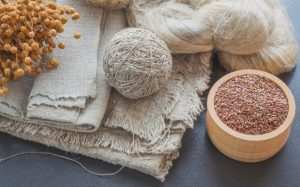
The fashion industry’s environmental impact is undeniable, prompting a critical examination of fabric choices. This exploration delves into the world of sustainable fabrics, investigating their production, ethical sourcing, and ultimate impact on both the planet and people. We’ll examine the advantages and challenges associated with various eco-friendly materials, highlighting innovative solutions and future trends within the industry.
From the raw materials to the final garment, we will trace the lifecycle of sustainable fabrics, comparing them to conventional alternatives. We will also address the crucial role of social responsibility in ensuring fair labor practices and ethical sourcing throughout the supply chain. This comprehensive analysis aims to equip readers with the knowledge to make informed choices and contribute to a more sustainable fashion future.
Defining Sustainable Fabrics
Sustainable fabrics represent a crucial shift in the fashion industry, prioritizing environmental and social responsibility throughout their lifecycle. This move away from conventional textile production aims to minimize the negative impacts on our planet and the people involved in creating clothing. Understanding what constitutes a “sustainable fabric” requires considering a multifaceted set of criteria.Defining sustainability in fabrics involves assessing both environmental and social aspects.
Environmentally, this means minimizing water and energy consumption during production, reducing greenhouse gas emissions, promoting biodiversity, and limiting the use of harmful chemicals. Socially, it encompasses fair labor practices, safe working conditions, and equitable compensation for workers throughout the supply chain. A truly sustainable fabric should strive to minimize its ecological footprint while upholding ethical standards in its production.
Sustainable Fabric Categories and Examples
The following table categorizes commonly used sustainable fabrics based on their material source, highlighting their advantages and challenges in achieving true sustainability.
| Fabric Name | Material Source | Sustainability Advantages | Sustainability Challenges |
|---|---|---|---|
| Organic Cotton | Plant-based (Cotton plant) | Reduced pesticide and herbicide use, improved soil health, potentially better water management compared to conventional cotton. | Higher production costs, lower yields than conventional cotton, potential for water intensive cultivation in some regions. |
| Tencel (Lyocell) | Plant-based (Wood pulp, primarily eucalyptus) | Closed-loop production process minimizing water and chemical use, biodegradable. | Energy intensive production process, potential deforestation concerns depending on sourcing practices. |
| Hemp | Plant-based (Hemp plant) | Requires minimal water and pesticides, highly durable, fast-growing. | Can be coarse and challenging to process, limited availability of high-quality processed hemp fiber. |
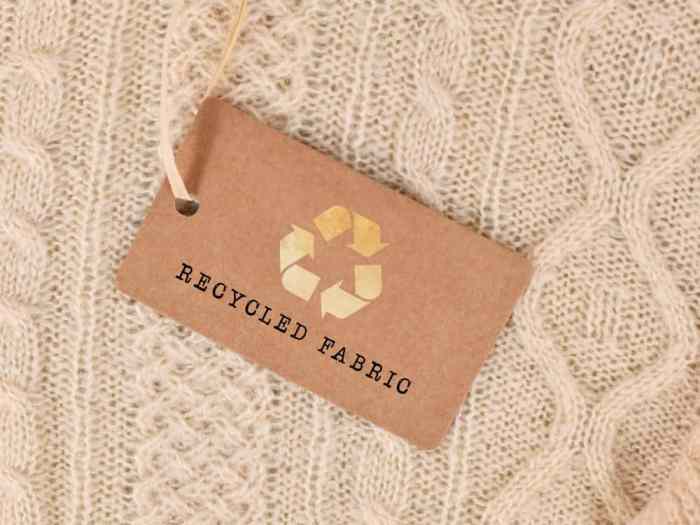
| Recycled Polyester | Recycled (Plastic bottles, textile waste) | Reduces reliance on virgin petroleum, diverts waste from landfills. | Lower quality than virgin polyester in some cases, microplastic shedding during washing, recycling process can be energy-intensive. |
| Econyl® | Recycled (Regenerated nylon from pre- and post-consumer waste, such as fishing nets) | Reduces reliance on virgin materials, infinitely recyclable. | Requires specialized recycling infrastructure, potentially higher initial costs compared to virgin nylon. |
| Piñatex® | Innovative (Pineapple leaf fibers) | Utilizes agricultural waste, reduces environmental impact of pineapple cultivation. | Limited scalability, relatively high cost compared to traditional fabrics. |
Lifecycle Assessment of a Sustainable Fabric
A comprehensive lifecycle assessment (LCA) of a sustainable fabric examines its environmental and social impacts across its entire journey, from raw material sourcing to end-of-life management. This involves analyzing factors such as water usage, energy consumption, greenhouse gas emissions, chemical use, waste generation, and social equity at each stage.For example, let’s consider organic cotton. The LCA would assess the environmental impact of cotton farming (water usage, pesticide use, soil health), the processing of the cotton fiber (energy consumption, chemical use), the manufacturing of the fabric (dyeing, finishing processes), the transportation and distribution of the fabric, its use as a garment, and finally, its disposal or recycling.
Each stage contributes to the overall environmental footprint of the fabric, and a sustainable fabric aims to minimize this footprint throughout its lifecycle. A similar LCA could be applied to recycled polyester, evaluating the energy required for plastic bottle collection and processing, the energy and chemical use in fiber production, and the environmental consequences of microplastic shedding. The goal is to identify areas for improvement and develop strategies to enhance the sustainability of the entire process.
Ultimately, the shift towards sustainable fabrics in fashion requires a multifaceted approach. It necessitates collaborative efforts from designers, manufacturers, consumers, and policymakers. By understanding the environmental and social implications of our clothing choices, we can collectively drive the adoption of more responsible practices, fostering a fashion industry that prioritizes both style and sustainability. The future of fashion is undeniably intertwined with the future of our planet, and choosing sustainable fabrics is a crucial step towards a more responsible and environmentally conscious industry.
FAQ Overview
What is the difference between organic and conventional cotton?
Organic cotton is grown without harmful pesticides and fertilizers, resulting in less environmental damage and improved soil health. Conventional cotton often involves heavy pesticide use and significant water consumption.
How durable are sustainable fabrics compared to conventional options?
Durability varies greatly depending on the specific fabric. Some sustainable options, like hemp, are known for their strength, while others may require more careful handling. However, advancements in technology are continually improving the durability of sustainable fabrics.
Are sustainable fabrics more expensive?
Generally, yes, sustainable fabrics tend to be more expensive due to higher production costs associated with ethical sourcing and environmentally friendly practices. However, the price difference is decreasing as demand and production scale up.
How can I care for sustainable fabrics?
Care instructions vary depending on the fabric. Generally, opting for gentler washing methods (e.g., cold water, hand washing) and air drying can extend the life of sustainable garments and reduce environmental impact.