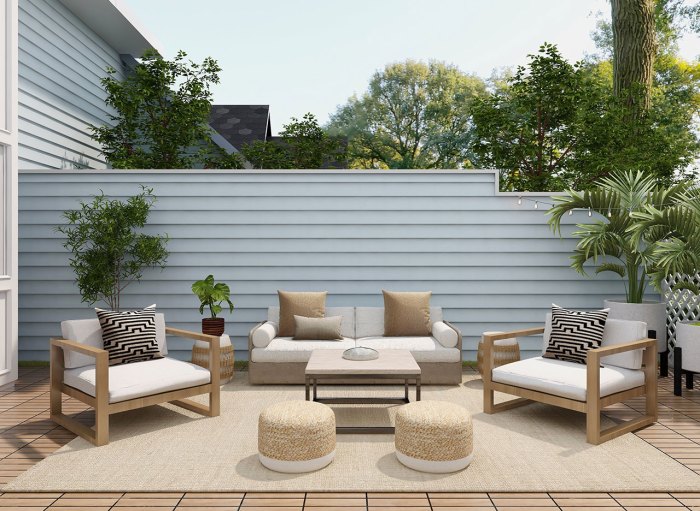
Choosing the right fabric for your outdoor furniture is crucial for both its longevity and aesthetic appeal. Exposure to the elements—sun, rain, wind, and temperature fluctuations—demands fabrics with superior durability and weather resistance. This guide explores the best fabric options, considering factors like UV resistance, water repellency, and stain resistance, to help you make an informed decision that complements your outdoor space and withstands the test of time.
From the robust performance of solution-dyed acrylics to the budget-friendly practicality of polyester, we’ll delve into the properties of various fabrics, comparing their strengths and weaknesses. We’ll also discuss comfort, aesthetics, maintenance, and even sustainability considerations, equipping you with the knowledge to select the perfect fabric for your specific needs and environment.
Sustainability Considerations in Outdoor Fabric Selection
Choosing sustainable outdoor fabrics is crucial for minimizing the environmental impact of our furniture. This involves considering the entire lifecycle of the fabric, from raw material sourcing to manufacturing processes and eventual disposal or recycling. By making informed choices, consumers can contribute to a more environmentally responsible approach to outdoor living.
The environmental impact of outdoor fabrics is significant, encompassing factors like water and energy consumption during production, the release of harmful chemicals, and the ultimate fate of the material at the end of its lifespan. Sustainable options offer a pathway to reduce this impact, promoting both environmental health and responsible consumption.
Eco-Friendly and Recycled Fabric Options
Several eco-friendly and recycled fabrics are now available for outdoor furniture, offering a more sustainable alternative to traditional materials. These options reduce reliance on virgin resources and lessen the environmental burden associated with their production.
For example, recycled polyester is a popular choice. It’s made from recycled plastic bottles, diverting waste from landfills and reducing the need for new petroleum-based polyester production. Similarly, recycled acrylic fabrics offer comparable durability and weather resistance while utilizing recycled materials. Organic cotton, grown without harmful pesticides and fertilizers, is another option, although its durability in outdoor conditions might require additional treatments.
Environmental Impact of Fabric Manufacturing Processes
The manufacturing processes of different fabrics significantly influence their environmental impact. Energy-intensive processes, such as the production of synthetic fibers, contribute to greenhouse gas emissions. Water usage is another critical factor, with some processes requiring large volumes of water for dyeing and finishing.
The use of harmful chemicals in dyeing and finishing processes poses a significant risk to both human health and the environment. Some fabrics require multiple chemical treatments to achieve desired properties like water resistance and UV protection. These chemicals can pollute waterways and harm ecosystems. Sustainable manufacturing practices prioritize water conservation, the use of non-toxic dyes and finishes, and energy-efficient production methods.
Long-Term Sustainability of Outdoor Fabrics
The long-term sustainability of outdoor fabrics depends on their durability, recyclability, and biodegradability. Highly durable fabrics extend their lifespan, reducing the need for frequent replacements. Recyclable fabrics allow for material recovery and reuse, minimizing waste. Biodegradable fabrics offer a more environmentally friendly end-of-life solution, decomposing naturally without leaving harmful residues.
Consider the lifespan of the fabric when making a purchase. A fabric designed for long-term outdoor use will reduce the need for frequent replacements, minimizing waste and resource consumption. Understanding the fabric’s recyclability or biodegradability also allows for more informed decision-making, contributing to a more circular economy. For instance, some companies are actively researching and developing biodegradable options for outdoor fabrics, using natural fibers and innovative processing techniques.
Visual Guide to Outdoor Fabric Textures
Choosing the right outdoor fabric involves more than just color and pattern; the texture plays a significant role in both the aesthetic appeal and the overall durability of your furniture. Different textures offer varied levels of comfort, visual interest, and resistance to the elements. Understanding these differences will help you select the perfect fabric to complement your outdoor space and withstand the challenges of the environment.The tactile quality of outdoor fabrics significantly impacts the overall feel and look of your furniture.
Whether you prefer a smooth, sleek surface or a more rugged, textured appearance, the choice influences the visual harmony of your patio, deck, or garden. Consider the existing style of your outdoor space and how the fabric’s texture will interact with other elements like wood, metal, or stone.
Woven Fabrics
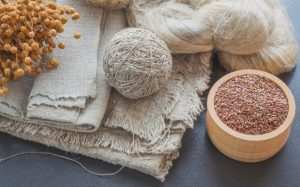
Woven fabrics are created by interlacing warp and weft yarns, resulting in a variety of textures depending on the yarn type and weave pattern. A tightly woven fabric, such as Sunbrella, often presents a smooth, almost sleek surface, ideal for modern or minimalist settings. This smoothness contributes to a clean, sophisticated look. Conversely, a loosely woven fabric might have a more relaxed, rustic feel, complementing a more casual or traditional outdoor space.
The visual impact is determined by the yarn thickness and the weave density. Thick yarns create a bolder, more substantial texture, while finer yarns result in a more delicate and refined appearance.
Knitted Fabrics
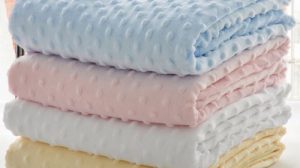
Knitted fabrics, created by interlocking loops of yarn, generally possess a softer, more pliable texture compared to woven fabrics. This inherent flexibility contributes to a more comfortable seating experience. Visually, knitted fabrics often display a slightly more relaxed and informal appearance. They can range from a relatively smooth, fine knit to a coarser, more textured knit, depending on the yarn and knitting technique.
A tightly knitted fabric will appear smoother, while a loosely knitted fabric will have a more open, almost airy look. This textural variation can suit a wide range of outdoor styles, from contemporary to bohemian.
Solution-Dyed Acrylic Fabrics
Solution-dyed acrylic fabrics, such as those frequently used in outdoor furniture, offer a unique visual characteristic. The color is infused into the fibers before the yarn is spun, resulting in exceptional colorfastness and resistance to fading. While the texture itself can vary (smooth, slightly textured, etc.), the visual impact is often characterized by a vibrant, consistent color that retains its intensity even after prolonged sun exposure.
This makes them visually appealing and durable choices for outdoor spaces.
Visual Impact of Different Textures
The following list describes various textures and their corresponding visual effects:
- Smooth: Creates a sleek, modern, and sophisticated appearance. Often associated with minimalist or contemporary styles.
- Rough: Offers a rustic, casual, and possibly even rugged look. Suitable for traditional or farmhouse-style settings.
- Coarse: Provides a bold, substantial, and texturally rich appearance. Can add a touch of informality or even a handcrafted feel.
- Textured: Introduces visual interest and depth. Can be incorporated into various styles, depending on the specific texture.
- Pliable: Conveys a sense of softness and comfort. Often associated with relaxation and casual settings.
Ultimately, selecting the best fabric for your outdoor furniture involves balancing durability, aesthetics, budget, and environmental concerns. By understanding the properties of different fabrics and considering your unique outdoor setting, you can confidently choose a material that will enhance your outdoor living space for years to come. Remember to prioritize fabrics with strong UV resistance, water repellency, and easy-to-maintain properties to maximize their lifespan and enjoyment.
Q&A
How often should I clean my outdoor furniture fabric?
Cleaning frequency depends on the fabric and your climate. Regular brushing and spot cleaning are recommended. Deep cleaning should be done at least once or twice a year, or more often if needed.
Can I use bleach on my outdoor furniture fabric?
Generally, no. Bleach can damage most outdoor fabrics, causing fading and weakening fibers. Use fabric-specific cleaners instead.
What’s the difference between solution-dyed and top-dyed acrylics?
Solution-dyed acrylics have superior colorfastness and UV resistance because the color is integrated into the fiber during manufacturing. Top-dyed acrylics are colored after the fiber is created, making them less resistant to fading.
How can I prevent mildew on my outdoor furniture fabric?
Allow cushions to dry completely after rain or cleaning. Store furniture in a dry place during prolonged periods of wet weather. Consider using a mildew-resistant fabric.