Selecting the perfect fabric for your curtains and drapes is a crucial design decision, impacting not only the aesthetic appeal of a room but also its functionality and ambiance. From the subtle interplay of light and texture to the durability and ease of maintenance, the choice of fabric significantly influences the overall atmosphere and comfort of your living space.
This guide explores the diverse world of curtain and drape fabrics, offering insights into weight, texture, appearance, care, cost, and suitability for various room styles.
Understanding fabric properties like weight and drape is paramount. Lightweight fabrics offer a delicate, airy feel, while heavier fabrics provide better light blockage and insulation. Texture plays a vital role in creating visual interest; consider the subtle sheen of silk, the natural roughness of linen, or the plush luxury of velvet. Finally, remember to factor in maintenance requirements, cost, and availability when making your selection to ensure your chosen fabrics meet both your aesthetic preferences and practical needs.
Fabric Weight and Drape
Choosing the right fabric weight for your curtains and drapes significantly impacts their overall look, functionality, and longevity. The weight of the fabric directly correlates to its drape, light control, and insulation properties. Understanding these relationships will help you select the perfect fabric for your specific needs and desired aesthetic.
Fabric Weight and Drape Characteristics
The weight of curtain fabric is categorized broadly into lightweight, medium-weight, and heavyweight. Each category offers distinct drape characteristics and is suited to different applications. The following table provides a comparison:
| Fabric Type | Weight | Drape | Suitability |
|---|---|---|---|
| Sheer | Lightweight | Flows loosely, minimal structure | Bedrooms, informal living rooms, adding softness to existing drapes |
| Voile, Linen | Medium-weight | Substantial drape, some body, graceful folds | Formal living rooms, dining rooms, bedrooms |
| Velvet, Brocade | Heavyweight | Luxurious, heavy drape, strong structure, tends to hang straight | Formal living rooms, theaters, creating a sense of richness and privacy |
Visual Comparison of Drape
Imagine three identical curtain panels, each made from a different fabric weight. The sheer panel, a lightweight fabric, would hang loosely, almost transparent. The folds would be soft and indistinct, allowing significant light transmission. The texture would likely be fine and smooth. In contrast, the medium-weight panel would display a more defined drape, with graceful, flowing folds.
The light transmission would be moderate, allowing diffused light but still offering some privacy. The texture might be slightly more substantial, possibly with a subtle weave visible. Finally, the heavyweight panel would hang with a stately, almost stiff drape. The folds would be sharp and well-defined, creating a sense of richness and formality. Light transmission would be minimal, offering excellent privacy and light blocking.
The texture would be noticeably heavier and potentially more textured, depending on the fabric type.
Impact of Fabric Weight on Light Control and Insulation
Heavier fabrics, such as velvet or brocade, offer superior light control and insulation compared to lightweight fabrics like sheer or voile. This is because the denser weave and thicker construction of heavyweight fabrics block more light and trap more air, reducing heat transfer. Lightweight fabrics, while offering less insulation, can be ideal for allowing natural light to filter into a room.
In climates with extreme temperatures, heavier fabrics can contribute to energy savings by reducing the need for artificial heating or cooling. For example, heavy drapes in a sunny room can significantly reduce the amount of heat entering the room during the summer, while in winter, they can help retain warmth inside. Conversely, lightweight sheers in a northern-facing room might be preferable to maximize natural light penetration.
Fabric Texture and Appearance
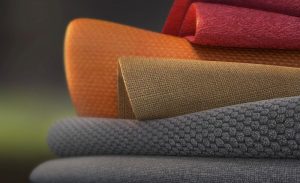
The texture and appearance of your curtain fabric significantly impact a room’s overall aesthetic. The interplay of light and the fabric’s tactile qualities create a mood, influencing how the space feels and functions. Choosing wisely can dramatically enhance the room’s design.
Understanding the diverse textures and how they interact with light is crucial for achieving the desired ambiance. The following sections will explore various fabric types, their visual characteristics, and the effects of different patterns and colors.
Fabric Texture Examples and Visual Impact
Different fabrics offer distinct textures that contribute to a room’s character. The feel and look of a fabric can evoke specific emotions and complement existing décor.
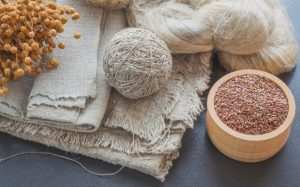
- Linen: Linen possesses a naturally wrinkled, slightly coarse texture. Its slightly uneven surface adds a rustic charm and informal elegance, often associated with relaxed, airy spaces. The visual impact is one of casual sophistication.
- Silk: Silk boasts an incredibly smooth, lustrous texture. Its delicate drape and shimmering appearance create a luxurious and sophisticated atmosphere, ideal for formal settings or bedrooms seeking an opulent feel. The visual impact is one of refined elegance.
- Velvet: Velvet is characterized by its plush, soft texture and deep pile. Its rich appearance adds a sense of warmth, luxury, and drama to a room. The visual impact is often described as decadent and inviting.
- Cotton: Cotton offers a range of textures, from crisp and smooth to soft and slightly fluffy, depending on the weave and finish. It is versatile and can contribute to both casual and formal settings, depending on the style of the cotton fabric used. The visual impact varies greatly depending on the type of cotton used.
Matte and Glossy Fabrics and Light Interaction
The level of sheen significantly affects how light interacts with the fabric, influencing the overall appearance of the curtains and the room’s brightness.
Matte fabrics, such as linen or unbleached cotton, diffuse light softly. They create a more subdued, calming atmosphere, minimizing harsh reflections. In bright sunlight, they appear relatively even in tone, while in low light, they maintain a soft, consistent look. Conversely, glossy fabrics, such as silk or satin, reflect light more intensely. They can create a more dramatic and glamorous effect, adding sparkle and shine to a room.
In bright sunlight, they may create highlights and reflections, while in low light, they appear subtly shimmery, often enhancing the color depth.
Fabric Patterns and Colors and Room Ambiance
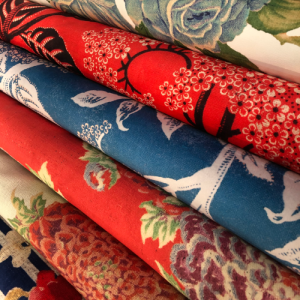
The patterns and colors chosen for curtains play a vital role in shaping the overall aesthetic and feel of a room. They can dramatically alter the perceived size and mood of the space.
| Pattern Type | Color Palette | Room Ambiance |
|---|---|---|
| Solid | Neutral tones (beige, gray, cream) | Calm, serene, versatile |
| Floral | Pastels | Romantic, feminine, cheerful |
| Geometric | Bold colors (red, blue, yellow) | Modern, energetic, stimulating |
| Stripes | Cool tones (blues, greens) | Classic, elegant, spacious (vertical stripes can create a sense of height) |
Fabric Maintenance and Care
Choosing the right fabric for your curtains and drapes involves considering not only aesthetics but also practicality. Long-term satisfaction depends heavily on the fabric’s ease of cleaning and its resistance to wear and tear. Understanding the maintenance requirements of different fabrics will help you make an informed decision that suits your lifestyle and the environment of your home.Proper care extends the lifespan of your curtains and maintains their appearance.
Factors like sunlight exposure, humidity levels, and the frequency of cleaning significantly impact a fabric’s longevity. Knowing which fabrics are more resistant to fading, wrinkles, and other forms of damage is crucial for making a wise purchase.
Cleaning Methods for Common Curtain Fabrics
The cleaning method best suited for your curtains will vary greatly depending on the fabric composition. Some fabrics are delicate and require professional dry cleaning, while others are durable enough to withstand machine washing. Understanding these differences is key to preventing damage and maintaining the quality of your window treatments.
- Cotton: Generally machine washable, though always check the care label. Delicate cycles and cool water are recommended. Air drying is preferred to prevent shrinkage.
- Linen: Similar to cotton, linen can often be machine washed on a gentle cycle. However, it’s prone to wrinkling, so ironing may be necessary.
- Polyester: Highly durable and usually machine washable. It’s also wrinkle-resistant and relatively easy to care for.
- Silk: Requires professional dry cleaning. Its delicate nature makes it susceptible to damage from harsh cleaning methods.
- Velvet: Best dry-cleaned to avoid damaging the delicate pile. Vacuuming regularly helps remove dust and maintain its appearance.
- Wool: Often dry clean only. Wool is sensitive to heat and moisture, and improper cleaning can cause shrinkage or damage.
Wrinkle and Fade Resistance in Fabrics
Some fabrics are inherently more resistant to wrinkles and fading than others. This resilience stems from the fiber type, weave structure, and any treatments applied during manufacturing. Understanding these factors can help you choose curtains that will look their best for longer.Polyester and its blends are known for their excellent wrinkle resistance. Their synthetic nature makes them less prone to creasing than natural fibers like cotton or linen.
Similarly, fabrics treated with wrinkle-resistant finishes will require less ironing. Fade resistance is often linked to the dye used and the fiber’s inherent UV resistance. Solution-dyed acrylics, for example, are highly resistant to fading due to the dye being incorporated into the fiber itself during manufacturing. These fabrics are commonly used for outdoor applications.
Effects of Sunlight and Humidity
Sunlight and humidity can significantly affect the lifespan and appearance of your curtains. Prolonged exposure to direct sunlight can cause fading and deterioration, especially in fabrics with delicate dyes. High humidity can lead to mildew and mold growth, particularly in fabrics that retain moisture.Choosing the right fabric for your environment is critical. For rooms with significant sunlight exposure, consider fabrics with inherent UV resistance or those treated with UV protectant finishes.
In humid environments, opt for fabrics that are breathable and quick-drying to prevent mildew growth. Linen, for example, is more susceptible to mildew than polyester. Cotton can also be prone to mildew if not allowed to dry thoroughly after cleaning.
Fabric Cost and Availability
Choosing the right fabric for your curtains and drapes involves careful consideration of cost and accessibility. The price range of fabrics varies significantly, influenced by factors such as fiber type, manufacturing process, and design complexity. Availability also plays a crucial role, impacting both the selection process and the overall project timeline.The cost of fabric is a key factor in determining the overall budget for a window treatment project.
Understanding the price points of different fabrics and their availability allows for informed decision-making. This understanding helps in balancing aesthetic preferences with budgetary constraints, ultimately ensuring a successful project outcome.
Fabric Cost and Availability Comparison
The table below provides a general overview of fabric cost, availability, and sourcing information. Note that prices can fluctuate depending on the retailer, specific design, and current market conditions.
| Fabric Type | Cost Range | Availability | Sourcing Information |
|---|---|---|---|
| Cotton | Low to Medium | Common | Local fabric stores, online retailers, craft stores |
| Linen | Medium to High | Common | Local fabric stores, online retailers, home decor stores |
| Polyester | Low to Medium | Common | Local fabric stores, online retailers, discount stores |
| Silk | High | Less Common | Specialty fabric stores, online retailers specializing in luxury fabrics |
| Velvet | Medium to High | Common | Local fabric stores, online retailers, upholstery stores |
| Polyester blends (e.g., polyester/cotton) | Low to Medium | Common | Widely available at local and online retailers |
Factors Influencing Fabric Cost
Several factors contribute to the varying cost of fabrics. Natural fibers like linen and silk are generally more expensive than synthetic fibers such as polyester due to higher production costs and the inherent qualities of the materials. The complexity of the weave or print also impacts price; intricate designs and unique patterns command higher prices. Finally, the brand reputation and the retailer’s markup significantly influence the final cost a consumer pays.
For example, a high-end designer fabric will naturally cost more than a basic, unbranded option.
Finding Affordable High-Quality Fabrics
Securing high-quality fabrics without breaking the bank is achievable with strategic planning. Consider exploring less common but durable options like cotton blends or canvas. Shopping during sales and clearance events at reputable retailers can lead to significant savings. Online retailers often offer competitive pricing and a wider selection. Finally, purchasing remnants or end-of-bolt fabrics from local fabric stores can provide high-quality materials at discounted rates.
Careful consideration of these strategies can allow for cost-effective creation of beautiful and functional curtains and drapes.
Fabric Choices for Different Room Styles
Selecting the right fabric for your curtains and drapes is crucial in achieving the desired aesthetic and functionality for each room. The fabric’s weight, texture, and color all contribute to the overall ambiance, working in harmony with existing décor to create a cohesive and visually appealing space. Careful consideration of these factors ensures your window treatments enhance rather than detract from your room’s style.
Fabric Choices for Modern Rooms
Modern design often emphasizes clean lines, minimalist aesthetics, and a neutral color palette. Fabric choices should reflect this simplicity and sophistication.
- Linen: Linen’s natural texture and slightly rumpled appearance add a touch of understated elegance to a modern space. Its subtle sheen and range of neutral colors complement minimalist décor. A crisp, unpatterned linen in shades of gray, beige, or white works exceptionally well.
- Silk: For a touch of luxury, silk drapes offer a smooth, lustrous finish that exudes sophistication. Its subtle sheen and drape beautifully complement sleek furniture and minimalist designs. Opt for solid colors or simple geometric patterns in muted tones.
- Velvet (in select applications): While often associated with traditional styles, a deep-colored velvet in a simple design can add a touch of drama and texture to a modern space, particularly in a darker color like charcoal gray or navy blue. However, it’s important to use velvet sparingly to maintain the overall clean aesthetic.
Fabric Choices for Traditional Rooms
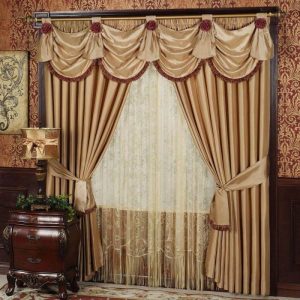
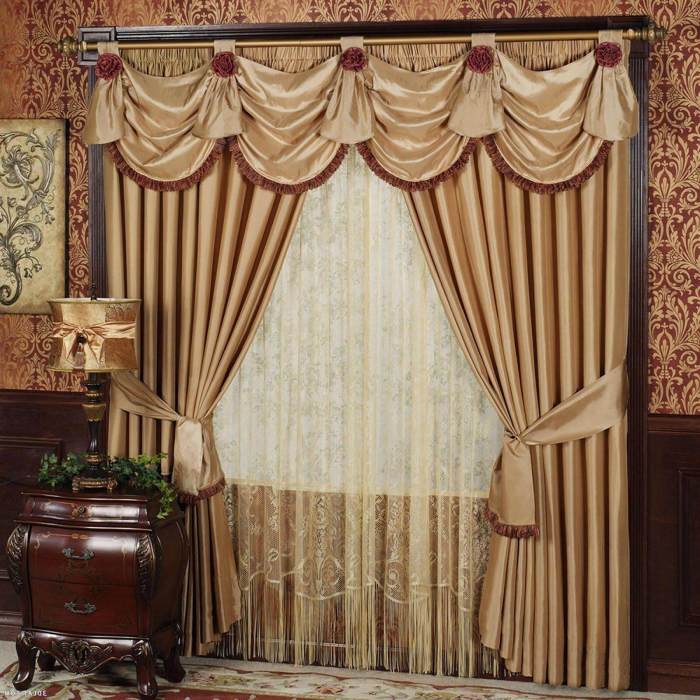
Traditional design often incorporates ornate details, rich colors, and luxurious textures. Fabrics should complement this richness and create a sense of warmth and elegance.
- Damask: This classic fabric features intricate woven patterns, often floral or geometric, that add a touch of opulence to a traditional setting. Rich jewel tones or muted earth tones are ideal choices for damask curtains.
- Brocade: Similar to damask, brocade features raised patterns that create texture and visual interest. Brocade drapes add a touch of old-world charm and luxury to traditional rooms. Colors should complement existing upholstery and wall coverings.
- Velvet: Velvet’s plush texture and rich color options make it a perfect choice for traditional rooms. Deep jewel tones, such as emerald green, ruby red, or sapphire blue, enhance the sense of grandeur.
Fabric Choices for Rustic Rooms
Rustic design emphasizes natural materials, earthy tones, and a relaxed, informal atmosphere. Fabrics should reflect this natural aesthetic and create a sense of warmth and comfort.
- Cotton: Cotton’s natural texture and breathability make it an ideal choice for rustic rooms. A simple cotton in a natural color like beige, cream, or off-white will complement the overall aesthetic. Checks or simple stripes add a touch of casual charm.
- Burlap: Burlap’s coarse texture and earthy color add a touch of rustic charm. It can be used as is or combined with other fabrics for a layered look. Use burlap sparingly to avoid overwhelming the space.
- Linen (with a more casual treatment): Linen’s natural texture can also work well in a rustic setting. Unlike its use in modern design, here it can be left with a more relaxed, less-pressed look to enhance the informal atmosphere. Choose colors that complement natural wood tones and stone finishes.
Enhancing Existing Décor with Fabric Choices
Fabric choice can significantly enhance or complement existing décor elements. For example, repeating a color from an area rug in the curtains can create a cohesive look, while contrasting colors can add visual interest. Using a fabric with a similar texture to existing upholstery will unify the room’s style. The weight and drape of the fabric should also be considered to complement the overall scale and feel of the space.
Heavier fabrics work well in larger rooms, while lighter fabrics are suitable for smaller spaces.
Using Contrasting or Complementary Fabrics to Create Visual Interest
Contrasting fabrics can create a striking visual impact. For example, pairing a bold patterned fabric with a solid neutral fabric can add depth and dynamism to a room. Conversely, complementary fabrics, such as shades of blue and green, create a harmonious and balanced look. The key is to consider the overall color palette and the level of visual stimulation you want to achieve.
A balanced approach ensures the window treatments are eye-catching without being overwhelming.
Ultimately, choosing the right fabric for your curtains and drapes is a balance of aesthetics, functionality, and practicality. By carefully considering factors such as weight, texture, appearance, maintenance, cost, and suitability for your specific room style, you can create a space that is both visually stunning and comfortable. Remember to sample fabrics and consider the lighting in your room to ensure the final result perfectly complements your existing décor and creates the desired ambiance.
Frequently Asked Questions
What is the best fabric for blocking out light?
Heavyweight fabrics like blackout lining, velvet, or heavy brocade are excellent for light blockage.
How do I measure for curtains and drapes?
Accurate measurements are crucial. Consult online resources or a professional for detailed instructions specific to your window type and desired curtain style.
Are there eco-friendly curtain fabric options?
Yes, consider organic cotton, linen, or recycled fabrics for eco-conscious choices.
How often should I clean my curtains and drapes?
Frequency depends on the fabric and location. Generally, cleaning every 3-6 months is recommended to maintain freshness and hygiene. Always check care labels for specific instructions.