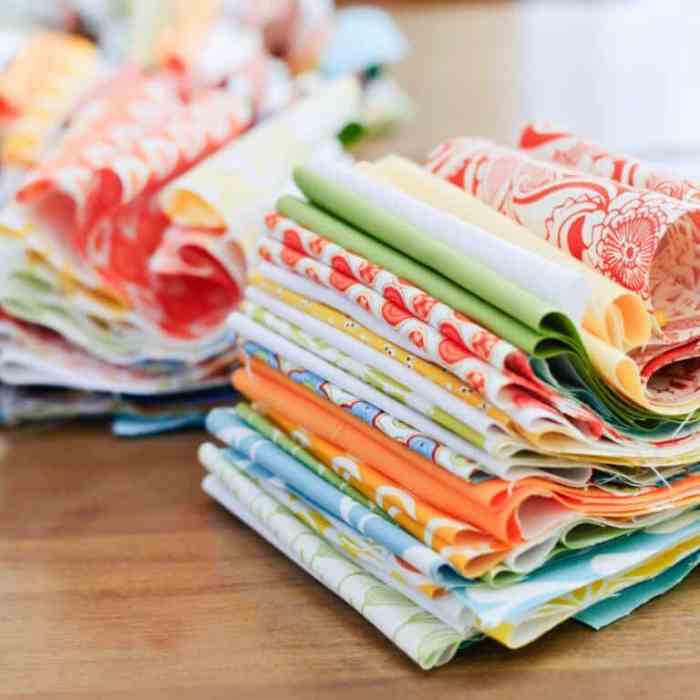
Crafting a quilt or throw involves more than just stitching; it’s a journey of texture, color, and design. The fabric you choose significantly impacts the final product, influencing its warmth, drape, and overall aesthetic. From the soft embrace of cotton to the luxurious sheen of silk, the world of quilting fabrics offers a diverse palette for creative expression. This guide explores the key considerations for selecting the perfect fabrics for your next quilting project, ensuring a beautiful and enduring creation.
Understanding fabric types, weights, textures, and prints is crucial for achieving your desired outcome. Whether you envision a cozy winter throw or a lightweight summer quilt, the right fabric choices will transform your vision into reality. We will delve into the characteristics of various fabrics, including their suitability for different quilting techniques and project types, along with practical advice on care and maintenance to preserve your handcrafted treasure for years to come.
Choosing Fabrics Based on Project Type
Selecting the right fabric is crucial for a successful quilt or throw. The final look, feel, and longevity of your project are directly influenced by your fabric choices. Different projects demand different fabric characteristics, considering factors such as weight, drape, and design.
Fabric Selection for Various Quilt Styles
The style of quilt you’re making significantly impacts your fabric choices. Traditional pieced quilts often utilize a variety of quilting cottons, chosen for their durability and crispness, allowing for precise piecing. These cottons are readily available in a wide array of colors and patterns, facilitating the creation of intricate designs. Modern minimalist quilts, on the other hand, often favor solid-colored fabrics or those with subtle, understated patterns.
The focus is on clean lines and simple designs, highlighting the quality of the fabric itself. Appliqué quilts require fabrics that are stable and easy to work with, allowing for precise placement of the appliquéd pieces. Cotton, linen, and even some blends can be suitable, depending on the desired texture and overall aesthetic. Choosing fabrics with a consistent weight and weave is important for even stitching and a professional finish.
Fabric Considerations for Baby Quilts versus Adult Quilts
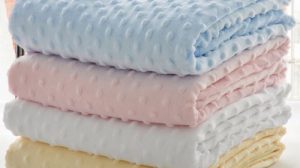
Baby quilts require fabrics that are soft, gentle on delicate skin, and easy to launder. Soft cotton flannels, quilting cottons with low thread counts, and minky fabrics are popular choices. Their softness and durability ensure comfort and longevity, even with frequent washing. Adult quilts offer greater design flexibility. A wider range of fabrics can be used, including heavier cottons, linen, or even wool blends, depending on the desired weight and warmth.
The durability and drape of the chosen fabrics are key considerations, ensuring the quilt can withstand regular use and maintain its shape.
Fabric Selection for Summer and Winter Throws
Lightweight summer throws benefit from breathable fabrics that allow for air circulation. Lightweight cotton, linen, or cotton voile are excellent choices. These fabrics are soft, cool to the touch, and offer a pleasant drape, making them ideal for warmer weather. Heavier winter throws, conversely, require fabrics that provide warmth and insulation. Flannel, wool, or heavier cotton blends are ideal.
These fabrics trap heat effectively, providing cozy warmth on chilly nights. Consider the drape and weight of the fabric when selecting; a fabric that’s too heavy may feel cumbersome, while one that’s too light may not provide adequate warmth.
Fabric Selection Decision-Making Flowchart
A flowchart can streamline the fabric selection process. Imagine a flowchart starting with a central decision point: “Project Type?”. Branches would then lead to “Baby Quilt,” “Adult Quilt,” “Summer Throw,” and “Winter Throw.” Each branch would further branch into “Desired Aesthetic” (e.g., modern, traditional, etc.) and “Fabric Characteristics” (e.g., weight, drape, softness). The final outcome would be a suggested list of appropriate fabrics.
For instance, the “Baby Quilt” branch might lead to “Soft Cotton Flannel” or “Lightweight Cotton,” while the “Winter Throw” branch might suggest “Wool” or “Heavy Cotton Flannel.” This visual representation helps in systematically narrowing down the options.
Selecting fabrics for quilts and throws is a deeply personal journey, a blend of artistry and practicality. By carefully considering fabric type, weight, texture, print, and care requirements, you can create a truly unique and cherished piece. Whether you prefer the classic comfort of cotton, the rustic charm of linen, or the opulent elegance of silk, the possibilities are endless.
Embrace the creative process, experiment with different combinations, and let your quilt or throw tell your story.
FAQ Insights
What is the best fabric for a beginner quilter?
Cotton quilting fabric is generally recommended for beginners due to its ease of use, wide availability, and relatively low cost.
How much fabric do I need for a quilt?
The amount of fabric depends on the quilt size and pattern. Always check the pattern instructions for specific yardage requirements.
Can I use pre-washed fabric?
Yes, pre-washing is highly recommended to prevent shrinkage and color bleeding after the quilt is completed.
How do I choose colors for my quilt?
Consider using a color wheel to create harmonious or contrasting palettes. You can also find inspiration from nature, artwork, or existing fabrics you enjoy.