The world of luxury clothing hinges on the exquisite fabrics that bring designs to life. From the fluid drape of silk to the comforting warmth of cashmere, the choice of fabric significantly impacts a garment’s feel, appearance, and overall value. This exploration delves into the diverse landscape of luxury fabrics, examining their unique properties, sustainable sourcing, and appropriate uses in various clothing styles.
We will uncover the history and cultural significance behind these luxurious materials, while also providing practical guidance on care and maintenance to ensure their longevity.
Understanding the nuances of different luxury fabrics allows for informed decision-making, whether you’re a designer crafting a high-end collection or a discerning consumer seeking the perfect garment. We’ll consider factors like fiber type, texture, drape, durability, and ethical production, equipping you with the knowledge to appreciate and select the most suitable fabrics for your needs.
Common Luxury Fabric Types
The world of luxury fabrics offers a diverse range of textures, drapes, and qualities, each contributing to the unique appeal of high-end garments. Understanding the properties of these fabrics allows for informed choices, ensuring both style and longevity. This section will explore some of the most common and some lesser-known luxury fabrics, examining their characteristics and uses.
Luxury Fabric Properties
The following table Artikels five common luxury fabrics, detailing their fiber type, texture, and typical applications. The selection considers both widely used and more specialized materials, showcasing the breadth of options available to discerning consumers.
| Fabric Name | Fiber Type | Texture Description | Common Uses |
|---|---|---|---|
| Silk | Animal (silkworm) | Smooth, lustrous, and soft with a delicate drape. | Clothing (dresses, blouses, scarves), bedding, linings |
| Cashmere | Animal (goat) | Incredibly soft, lightweight, and warm with a slightly fuzzy texture. | Sweaters, scarves, coats |
| Velvet | Various (silk, cotton, rayon) | Luxurious, plush pile with a soft, velvety texture. | Dresses, jackets, upholstery |
| Linen | Plant (flax) | Strong, slightly stiff with a crisp, slightly rough texture. | Clothing (shirts, pants, dresses), bedding, tablecloths |
| Wool | Animal (sheep) | Warm, soft, and resilient with varying textures depending on the type of wool. | Clothing (suits, coats, sweaters), blankets |
Drape and Hand Feel of Select Fabrics
Silk, cashmere, and velvet each possess distinct drape and hand feel characteristics. Silk drapes beautifully, falling gracefully in soft folds, while its hand feel is luxuriously smooth and cool against the skin. Cashmere’s drape is more relaxed and less structured than silk; its hand feel is exceptionally soft, almost fluffy, providing a feeling of gentle warmth. Velvet, in contrast, has a heavier drape, often holding its shape well, and its hand feel is characterized by its plush, velvety softness, creating a rich tactile experience.
Durability and Care of Linen and Wool
Linen and wool, while both durable fabrics, require different care approaches. Linen, known for its strength, is relatively durable but can wrinkle easily. It benefits from gentle machine washing or hand washing in cool water and air drying. Wool, also durable, is naturally water-resistant and resilient, but it requires more careful handling. Dry cleaning is often recommended, although some wool garments can be hand-washed using specialized detergents.
Overexposure to heat can damage wool, causing shrinkage or felting.
Lesser-Known Luxury Fabrics
Beyond the more widely recognized fabrics, several lesser-known options offer unique properties. These include: Pashmina, known for its unparalleled softness and warmth derived from the fine undercoat of the Changthangi goat; Vicuña, an extremely rare and luxurious fiber sourced from the vicuña, a South American camelid, prized for its exceptional fineness and warmth; and Sea silk, a rare and sustainable fabric created from the secretions of sea snails, valued for its unique shimmering texture and iridescent quality.
Each of these fabrics offers a distinctive luxury experience.
Fabric Choices for Specific Garments
Selecting the right fabric is paramount in achieving the desired look, feel, and functionality of a garment. The choice extends beyond mere aesthetics; it significantly impacts the garment’s drape, durability, and overall suitability for its intended purpose and the wearer’s needs. Understanding the properties of different luxury fabrics allows for informed decision-making, resulting in a higher-quality, more refined final product.
Fabric Selection for Different Garment Types
The suitability of a fabric is heavily influenced by the garment’s intended use and the desired aesthetic. For example, a flowing evening gown requires a different fabric than a tailored business suit. The table below illustrates appropriate luxury fabric choices for various garments, considering factors such as drape, weight, and durability.
| Garment Type | Suitable Fabric | Rationale | Alternative Fabric |
|---|---|---|---|
| Evening Gown | Silk, Velvet, Lace | These fabrics offer luxurious drape, sheen, and a sense of occasion. Silk is lightweight and breathable, velvet adds richness and texture, and lace provides intricate detail. | Crepe, Chiffon |
| Suit | Wool, Cashmere, Silk blends | Wool provides structure and durability, cashmere offers exceptional softness and warmth, and silk blends add sheen and drape. | Linen (for warmer climates), Gabardine |
| Coat | Cashmere, Wool, Alpaca | These fabrics offer excellent warmth and insulation, with cashmere providing unparalleled softness and alpaca offering exceptional lightness. | Faux fur (for a more budget-friendly option), heavy wool blends |
| Shirt | Silk, Linen, Cotton (high-quality) | Silk offers luxurious sheen and drape, linen provides breathability and a relaxed feel, and high-quality cotton offers comfort and durability. | Poplin, Chambray |
Fabric Suitability for Different Seasons
Fabric choice is crucial for seasonal appropriateness. Lightweight, breathable fabrics are ideal for summer, while heavier, insulating fabrics are better suited for winter.Summer fabrics, such as linen, silk, and cotton, allow for air circulation and prevent overheating. Winter fabrics, including cashmere, wool, and velvet, offer warmth and protection against cold temperatures. Consider the climate and the wearer’s comfort level when selecting a fabric for a specific season.
For example, a lightweight silk dress is perfect for a summer evening, while a heavy cashmere coat is ideal for a winter day.
Impact of Fabric Choice on Garment Look and Feel
Fabric choice profoundly impacts the overall aesthetic and feel of a garment. A flowing silk dress will have a very different look and feel than a structured wool suit. The drape, texture, and sheen of the fabric all contribute to the garment’s overall impression. For instance, a crisp linen shirt conveys a relaxed, summery vibe, while a tailored cashmere sweater projects an air of sophistication and luxury.
The weight of the fabric also influences the garment’s silhouette; heavier fabrics tend to create a more structured look, while lighter fabrics drape more softly.
Luxury Fabric Combinations in High-End Clothing
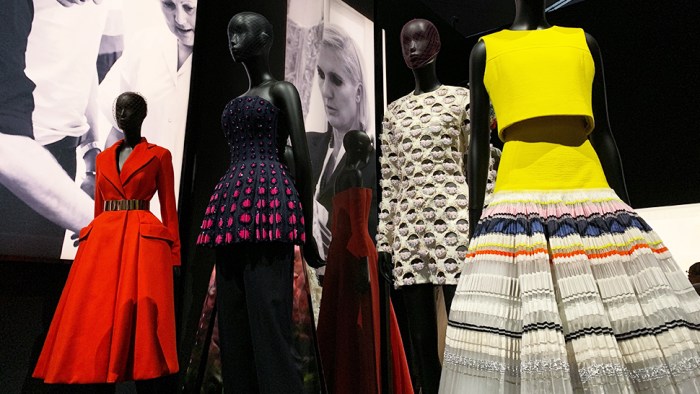
High-end designers often utilize combinations of luxury fabrics to create unique and visually striking garments. For example, a coat might feature a cashmere body with silk lining, combining the warmth of cashmere with the luxurious feel of silk. A dress might incorporate lace detailing on a silk base, adding intricate texture and visual interest. These combinations not only enhance the garment’s aesthetic appeal but also add to its comfort and functionality.
Consider the classic combination of a wool suit with a silk tie – the combination of textures and materials elevates the overall sophistication of the ensemble.
Sustainability and Ethical Sourcing in Luxury Fabrics
The pursuit of luxury often intersects with significant environmental and social considerations. Understanding the impact of fabric production on both the planet and its people is crucial for discerning consumers and responsible brands. This section explores the sustainability and ethical sourcing challenges within the luxury fabric industry, examining the environmental footprint of various materials and highlighting initiatives promoting responsible practices.The environmental impact of luxury fabric production varies greatly depending on the raw materials, manufacturing processes, and supply chain involved.
Natural fibers like silk and cashmere, while often perceived as inherently sustainable, can have surprisingly high environmental costs depending on farming practices. Synthetic fabrics, such as viscose and certain types of polyester, present their own set of challenges, often involving intensive chemical processes and significant energy consumption.
Environmental Impact of Luxury Fabric Production Methods
Different luxury fabrics have vastly different environmental footprints. For example, conventional cotton cultivation is known for its high water consumption and pesticide use. The production of silk, while utilizing a natural material, can involve practices that impact biodiversity and animal welfare. Conversely, some synthetic fabrics, like recycled polyester, represent a more sustainable alternative, reducing reliance on virgin materials.
The manufacturing processes themselves also play a critical role; dyeing and finishing often involve chemicals with potentially harmful consequences for water bodies and ecosystems. Ultimately, the total environmental impact depends on a complex interplay of factors throughout the entire production lifecycle.
Certifications and Labels for Sustainable and Ethical Sourcing
Several certifications and labels provide consumers with assurance of sustainable and ethical sourcing. The Global Organic Textile Standard (GOTS) certifies organically produced textiles, ensuring compliance with environmental and social criteria throughout the supply chain. Fairtrade certification guarantees fair wages and working conditions for farmers and workers. Other notable certifications include the OEKO-TEX Standard 100, which tests for harmful substances in textiles, and the Responsible Wool Standard (RWS), focusing on animal welfare and land management in wool production.
These labels offer a degree of transparency and accountability, allowing consumers to make more informed choices.
Environmental Footprint Comparison: Natural vs. Synthetic Luxury Fabrics
The environmental footprint of natural and synthetic luxury fabrics is a complex issue. While natural fibers like organic cotton or sustainably sourced linen boast lower carbon emissions compared to some synthetic options, their production may still require significant water and land resources. Conversely, synthetic fabrics, such as recycled polyester, can offer a reduced environmental impact compared to virgin polyester production, but their manufacturing processes may still involve the use of chemicals.
The overall comparison depends on numerous factors, including the specific fabric type, production methods, and end-of-life management. For instance, a recycled cashmere sweater might have a smaller footprint than a conventionally produced silk scarf, while a responsibly produced viscose garment could have a lower impact than a conventionally made cotton shirt.
Social Responsibility in Luxury Fabric Production
Social responsibility in luxury fabric production extends beyond fair wages and safe working conditions. It encompasses the protection of workers’ rights, including freedom of association and the prohibition of child labor. Traceability and transparency in the supply chain are also essential, allowing consumers to understand the origin of their garments and the conditions under which they were made.
Supporting brands committed to ethical sourcing and fair labor practices helps ensure that the creation of luxury goods does not come at the expense of human dignity and well-being. For example, brands partnering with organizations like the Fair Labor Association demonstrate a commitment to ethical sourcing and worker rights, while those actively involved in community development programs show a broader commitment to social responsibility.
Fabric Care and Maintenance
Proper care and maintenance are crucial for preserving the luxurious quality and longevity of high-end fabrics. Understanding the specific needs of each material ensures your garments remain beautiful and in excellent condition for years to come. Neglecting these needs can lead to irreversible damage, diminishing the value and aesthetic appeal of your investment.
Care Instructions for Various Luxury Fabrics
The following guidelines provide essential care instructions for several common luxury fabrics. Adhering to these recommendations will significantly extend the lifespan of your garments and maintain their pristine appearance.
- Silk: Hand-wash in cool water with a gentle detergent, or dry-clean. Avoid harsh chemicals or abrasive cleaning methods. Always air dry flat, away from direct sunlight to prevent discoloration. Ironing should be done on a low setting, with a pressing cloth to protect the delicate fibers.
- Cashmere: Hand-wash in cool water using a specialized cashmere detergent, or dry-clean. Gently squeeze out excess water; never wring or twist. Lay flat to dry away from direct heat or sunlight. Professional dry cleaning is often recommended to prevent damage.
- Wool: Hand-wash or dry-clean according to the garment’s care label. Avoid harsh detergents and high temperatures. Dry flat or use a mesh laundry bag in a gentle machine cycle. Steam ironing is generally preferred over dry ironing.
- Linen: Machine wash in cold water with a gentle cycle. Avoid using fabric softener. Line dry or tumble dry on a low setting. Ironing is recommended while the linen is still slightly damp.
- Velvet: Dry-clean is generally recommended for velvet to maintain its plush texture. If hand-washing is necessary, use extreme caution and a very gentle detergent. Avoid rubbing or twisting. Air dry flat and avoid direct sunlight.
Cleaning and Storing Delicate Luxury Fabrics
Maintaining the integrity of delicate luxury fabrics requires careful attention to both cleaning and storage. Proper handling prevents damage and preserves the luxurious feel and appearance of your garments.
For cleaning, always follow the care instructions on the garment label. When in doubt, professional dry cleaning is the safest option. For storage, use breathable garment bags or acid-free tissue paper to prevent discoloration and damage. Avoid storing garments in airtight containers, as this can trap moisture and encourage mildew.
Potential Damage from Improper Care
Improper care can lead to a range of problems, significantly impacting the quality and appearance of your luxury clothing.
- Shrinking: Using high temperatures during washing or drying can cause certain fabrics, like wool and cashmere, to shrink.
- Fading: Exposure to direct sunlight or harsh chemicals can lead to color fading and discoloration.
- Pilling: Friction from wear and tear can cause pilling, particularly on fabrics like cashmere and wool. Regularly using a fabric shaver can help to remove pills.
- Weakening of Fibers: Aggressive cleaning methods can damage the delicate fibers of luxury fabrics, making them more prone to tearing or stretching.
- Yellowing or Staining: Improper cleaning or storage can lead to yellowing or staining, especially on white or light-colored fabrics.
Preventing Common Problems
By following these preventative measures, you can significantly reduce the risk of common issues that affect the quality of luxury fabrics.
Always pre-treat stains promptly, using appropriate stain removers. Avoid over-washing garments, as frequent washing can contribute to wear and tear. Store garments properly to prevent damage from moisture or light. Regularly inspect your garments for any signs of damage and address them promptly.
Ultimately, the selection of luxury fabrics transcends mere aesthetics; it represents a commitment to quality, craftsmanship, and sustainability. By understanding the unique properties of various fabrics, their environmental impact, and appropriate care methods, we can make conscious choices that align with our values and contribute to a more responsible and stylish future. The journey through the world of luxury fabrics reveals not just beautiful materials but also a rich tapestry of history, culture, and ethical considerations.
Expert Answers
What is the difference between silk charmeuse and silk satin?
Silk charmeuse has a smoother, more lustrous surface than silk satin due to a different weaving technique. Charmeuse is typically more delicate.
How can I tell if a fabric is truly luxurious?
Look for high-quality fiber content, a smooth and even weave, excellent drape, and a luxurious hand feel. Consider the reputation of the brand and any certifications for ethical or sustainable practices.
Can I machine wash luxury fabrics?
Generally, no. Most luxury fabrics require hand washing or dry cleaning to prevent damage. Always check the care label for specific instructions.
What are some affordable alternatives to luxury fabrics?
Depending on the desired effect, options include Tencel (similar drape to silk), modal (soft like cashmere), and high-quality cotton blends.