Choosing sustainable fabrics is more than just a trend; it’s a crucial step towards responsible consumption. The fashion industry significantly impacts the environment, from resource depletion to pollution. This guide explores the world of eco-friendly fabrics, delving into their production, certifications, and the considerations consumers should make when selecting sustainable materials for clothing and other textiles. We’ll examine the environmental advantages and disadvantages of various options, empowering you to make informed choices that benefit both your style and the planet.
Understanding the lifecycle of a garment, from raw material to disposal, is paramount. We will compare various eco-friendly fabrics, such as organic cotton, hemp, and Tencel, analyzing their durability, breathability, cost, and overall environmental impact. We’ll also explore sustainable production methods, including closed-loop systems and the importance of certifications like GOTS and OEKO-TEX, helping you navigate the often-complex world of sustainable textile choices.
Fabric Choices
Choosing the right fabric is crucial for both the aesthetic appeal and the environmental impact of a garment. Understanding the properties of different fabrics, their origins, and their sustainability profiles allows for more informed and responsible purchasing decisions. This section delves into a variety of fabric types, highlighting their characteristics and eco-friendliness.
Fabric Properties and Suitability
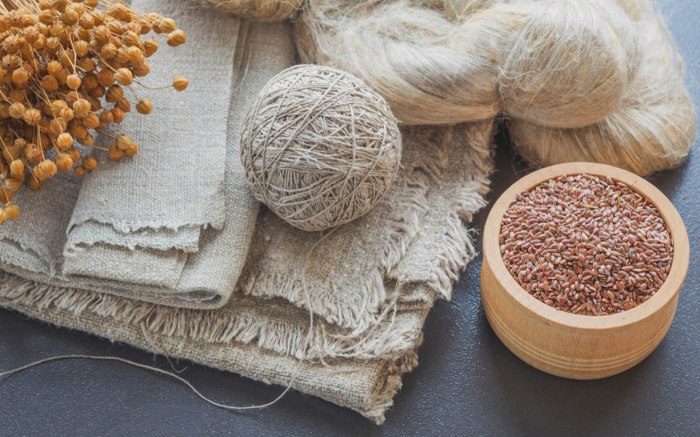
Different fabrics possess unique properties that affect their drape, texture, and suitability for various garments. Linen, known for its crispness and breathability, is ideal for summer clothing like shirts and dresses. Its natural wrinkles add to its characteristically relaxed aesthetic. Silk, on the other hand, boasts a luxurious drape and smooth texture, making it perfect for elegant blouses, scarves, and evening wear.
Wool, a naturally warm and durable fiber, is often used in outerwear and sweaters due to its excellent insulation properties. Polyester, a synthetic fiber, offers durability and wrinkle resistance but lacks the breathability and natural elegance of the aforementioned options. Its low cost and ease of care contribute to its widespread use, but its synthetic nature raises environmental concerns.
The choice of fabric significantly impacts the overall design and aesthetic of a garment. A flowing silk dress creates a different impression than a structured linen shirt, for example. The weight, texture, and drape of the fabric contribute to the silhouette and overall feel of the garment.
Fabric Sustainability Attributes
The environmental impact of fabric production varies considerably depending on the fiber type, its origin, and the manufacturing processes involved. Organically grown cotton, for example, uses fewer pesticides and water than conventionally grown cotton, making it a more sustainable choice. Similarly, recycled polyester reduces reliance on virgin petroleum resources, while Tencel (made from sustainably harvested wood pulp) offers a biodegradable alternative to conventional synthetics.
Natural fibers like linen, hemp, and organic wool are generally considered more sustainable than their synthetic counterparts, provided that they are grown and processed using environmentally responsible practices. However, even natural fibers can have a significant environmental footprint if they are produced using intensive farming methods or require extensive processing.
Fabric Comparison Table
The following table categorizes various fabrics based on their fiber type, origin, and sustainability attributes. Note that the sustainability rating is a relative assessment and can vary depending on specific production methods and certifications.
| Fabric | Fiber Type | Origin | Sustainability Rating (Low to High) |
|---|---|---|---|
| Organic Cotton | Natural | Plant-based | Medium to High |
| Linen | Natural | Plant-based | Medium to High |
| Hemp | Natural | Plant-based | High |
| Silk | Natural | Animal-based | Medium |
| Wool (organic) | Natural | Animal-based | Medium to High |
| Polyester (recycled) | Synthetic | Petroleum-based (recycled) | Medium |
| Polyester (virgin) | Synthetic | Petroleum-based | Low |
| Tencel | Semi-synthetic | Wood pulp | High |
Ultimately, embracing eco-friendly fabrics is an investment in a healthier planet and a more ethical fashion industry. By understanding the production processes, certifications, and the long-term benefits of sustainable choices, consumers can drive positive change. The shift towards eco-conscious textile production is ongoing, with exciting innovations constantly emerging. By making informed choices today, we can contribute to a more sustainable future for the fashion industry and the environment.
Common Queries
What is the difference between organic and conventional cotton?
Organic cotton is grown without harmful pesticides or fertilizers, reducing its environmental impact compared to conventionally grown cotton, which often uses substantial amounts of chemicals.
How can I care for eco-friendly fabrics to extend their lifespan?
Follow care instructions carefully, often opting for gentle washing cycles, air drying, and avoiding harsh chemicals. Proper care significantly extends the life of sustainable fabrics.
Are eco-friendly fabrics always more expensive?
While some eco-friendly fabrics may have a higher upfront cost, their durability and longevity can offset this over time, making them a cost-effective choice in the long run.
Where can I find certified eco-friendly fabrics?
Many online retailers and ethical brands specialize in certified eco-friendly fabrics. Look for certifications like GOTS, OEKO-TEX, and others to ensure authenticity.