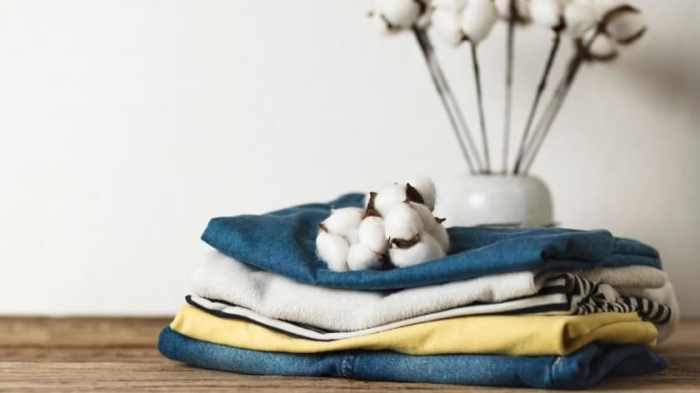
Making sustainable fashion choices can feel overwhelming, but understanding fabric options is a crucial first step. This guide explores eco-friendly fabrics, their production processes, and their impact on the environment. We’ll delve into the properties of various sustainable materials, offering insights into durability, care, and responsible sourcing to empower you to make informed decisions.
From organic cotton to innovative alternatives like Tencel, we’ll examine the lifecycle of garments, highlighting the importance of considering not just the fabric itself but also its production, use, and eventual disposal. We aim to equip you with the knowledge to navigate the world of sustainable fashion with confidence and contribute to a more environmentally responsible future.
Care and Maintenance of Eco-Friendly Fabrics

Proper care and maintenance are crucial for extending the lifespan of eco-friendly fabrics. Understanding the specific needs of each material ensures your sustainable clothing choices remain durable and stylish for longer, minimizing waste and maximizing their environmental benefits. Different fabrics require different approaches, and neglecting these specifics can lead to premature wear and tear.Choosing sustainable fabrics is only half the battle; caring for them correctly is just as important.
Washing, drying, and storage techniques significantly influence the longevity of these materials. Incorrect methods can quickly diminish the quality and appearance of even the most durable eco-friendly textiles.
Washing and Drying Methods
The impact of washing and drying methods on the longevity of eco-conscious fabrics is substantial. Aggressive washing cycles and high heat can damage delicate fibers, leading to shrinkage, fading, and weakening of the fabric. Gentle hand-washing or machine washing on a delicate cycle with cold water is generally recommended for most sustainable fabrics. Air drying is always the preferred method, as heat from dryers can damage fibers and reduce the lifespan of the garment.
For instance, linen, often favored for its sustainability, can wrinkle severely in a dryer, requiring more ironing and potentially shortening its usable life. Organic cotton, while durable, can also shrink or fade with excessive heat.
Care Instructions for Common Sustainable Materials
Understanding the unique care requirements of each sustainable material is key to maximizing its lifespan. The following infographic provides a simplified guide to the proper care of common eco-friendly fabrics.Infographic: Care for Common Sustainable FabricsFabric | Washing Method | Drying Method | Additional Notes
—————-|————————–|————————–|——————–
Organic Cotton | Cold water, gentle cycle | Air dry flat or hang dry | Avoid harsh detergents; may shrink slightlyLinen | Cold water, gentle cycle | Air dry flat or hang dry | Iron while slightly damp to minimize wrinklesHemp | Cold water, gentle cycle | Air dry flat or hang dry | Durable but can shrink if over-driedTencel (Lyocell) | Cold water, gentle cycle | Air dry flat or hang dry | Exceptionally soft; avoid harsh chemicalsBamboo | Cold water, gentle cycle | Air dry flat or hang dry | Prone to shrinking if machine dried; pre-wash to minimize shedding
Special Considerations for Delicate Fabrics
Many eco-friendly fabrics, such as Tencel and silk (if using sustainable silk), are delicate and require extra care. Always follow the care instructions on the garment label and avoid harsh detergents or bleach. Hand-washing in cool water with a gentle detergent is often the best approach for these materials. Never put delicate fabrics in the dryer.
Consumer Considerations and Choices
Choosing eco-conscious fabrics requires careful consideration of various factors beyond simply looking for labels that claim sustainability. A truly responsible purchase involves understanding the complete journey of the garment, from its origin to its eventual disposal. This holistic approach ensures that your choices genuinely support sustainable fashion practices and minimize environmental impact.Understanding the entire lifecycle of a garment is crucial for making informed decisions.
This encompasses the raw material sourcing, manufacturing processes, transportation, use, and ultimately, disposal or recycling. Each stage presents opportunities for environmental impact, whether through water pollution from dyeing, carbon emissions from transportation, or landfill waste from discarded clothing. By considering the whole picture, consumers can make more responsible choices.
Factors Influencing Eco-Conscious Fabric Selection
Several key factors should guide consumers in selecting eco-friendly fabrics. These include the material’s origin, its production methods, its durability and longevity, and its end-of-life management options. Prioritizing these elements ensures a more sustainable approach to clothing consumption.
- Material Origin: Opting for fabrics sourced from renewable resources, such as organic cotton or sustainably harvested bamboo, minimizes environmental damage compared to conventional materials that rely on intensive farming practices and chemical inputs. For example, organic cotton farming avoids harmful pesticides and promotes biodiversity.
- Production Methods: Investigate the manufacturing processes. Look for certifications like GOTS (Global Organic Textile Standard) or OEKO-TEX Standard 100, which verify environmentally and socially responsible practices throughout the production chain. These certifications indicate that the manufacturing process minimizes water pollution and reduces energy consumption.
- Durability and Longevity: Choosing durable, high-quality fabrics extends the garment’s lifespan, reducing the need for frequent replacements. A well-made garment that lasts for years contributes significantly to reducing textile waste. For example, investing in a well-constructed linen shirt that will last for several years is more sustainable than buying multiple cheap, short-lived shirts.
- End-of-Life Management: Consider the garment’s recyclability or biodegradability. Some fabrics, like Tencel (made from wood pulp), are more easily biodegradable than synthetic materials like polyester, which can persist in landfills for centuries. Knowing the disposal options minimizes the long-term environmental burden.
Informed Purchasing Decisions for Sustainable Fashion
Making informed purchasing decisions is paramount to supporting sustainable fashion practices. This involves researching brands, understanding certifications, and prioritizing quality over quantity. It also means embracing practices like clothing swaps or second-hand shopping to extend the lifespan of existing garments.Consumers should actively seek out brands committed to transparency and ethical sourcing. Reading product descriptions carefully, looking for certifications, and researching the brand’s environmental and social policies can help make informed choices.
For example, brands that publicly share their supply chain information and environmental impact data demonstrate a greater commitment to sustainability. Prioritizing quality over quantity—investing in fewer, well-made garments that will last longer—is another critical aspect of sustainable consumption. Supporting initiatives like clothing swaps or buying pre-owned clothing extends the life cycle of existing garments, reducing the demand for new production.
Choosing eco-conscious fabrics is more than just a trend; it’s a commitment to a healthier planet. By understanding the production methods, environmental impacts, and care requirements of different materials, you can make informed purchasing decisions that support sustainable fashion. Remember to look for certifications, prioritize durability, and adopt responsible care practices to extend the lifespan of your garments. Your conscious choices make a difference.
FAQ Summary
What does GOTS certification mean?
GOTS (Global Organic Textile Standard) is a certification that ensures textiles are made from organically produced fibers and processed using environmentally and socially responsible methods.
How can I tell if a fabric is truly sustainable?
Look for certifications like GOTS or OEKO-TEX. Research the brand’s sustainability practices and consider the overall lifecycle of the garment.
Are eco-friendly fabrics more expensive?
Often, yes, but the higher cost reflects the ethical and sustainable production processes. Investing in durable, eco-friendly clothing can be more cost-effective in the long run.
How do I wash eco-friendly fabrics without damaging them?
Always check the care label. Generally, cold water washes and air drying are best for preserving the quality and longevity of sustainable fabrics.