Choosing the right fabric for your baby’s clothing is crucial for their comfort and well-being. A baby’s skin is incredibly delicate and sensitive, making the selection of appropriate materials paramount. This guide explores the best fabric options for different seasons and clothing types, considering factors like breathability, absorbency, and softness to ensure your little one stays comfortable and healthy.
From natural fibers like cotton and linen to synthetic blends offering durability and practicality, we’ll delve into the properties of each material, highlighting their advantages and disadvantages. Understanding these characteristics will empower you to make informed decisions when purchasing or creating baby clothes, ultimately contributing to a happier and healthier baby.
Fabric Care and Maintenance
Proper care and maintenance of baby clothing is crucial for maintaining its quality, ensuring your baby’s comfort, and preventing potential skin irritations. Different fabrics require different care methods, and understanding these nuances is essential for extending the life of your baby’s wardrobe. Ignoring proper care can lead to premature wear and tear, fading, and shrinkage.
Choosing the right washing and drying methods for your baby’s clothes is paramount. Harsh chemicals and high heat can damage delicate fibers and irritate sensitive skin. Therefore, a gentle approach is always recommended.
Washing and Drying Instructions for Various Baby Clothing Fabrics
The following guidelines provide a comprehensive approach to washing and drying different baby clothing fabrics. Always check the care label on each garment for specific instructions, as these guidelines represent general best practices.
- Cotton: Machine wash in warm water with a mild detergent. Tumble dry on low heat or hang to dry. Cotton is generally durable and easy to care for.
- Polyester: Machine wash in cold water with a mild detergent. Tumble dry on low heat or hang to dry to avoid wrinkles. Polyester is known for its wrinkle resistance and durability.
- Blends (Cotton/Polyester): Generally, these can be treated similarly to cotton, but always check the care label for specific instructions. A blend often combines the best qualities of both fabrics.
- 100% Organic Cotton: Similar care to regular cotton, but using eco-friendly, plant-based detergents is highly recommended to maintain the fabric’s natural properties and softness.
- Bamboo: Machine wash in cold water with a mild detergent. Hang to dry to preserve its softness. Bamboo is naturally hypoallergenic and moisture-wicking.
Avoiding Harsh Detergents and Fabric Softeners
Harsh chemicals found in many detergents and fabric softeners can irritate a baby’s sensitive skin and damage the fibers of clothing over time. These chemicals can leave residue on fabrics, potentially causing allergic reactions or skin irritations. The use of fragrance-free, hypoallergenic detergents specifically designed for babies is highly recommended.
Fabric softeners, while making clothes feel softer, can build up on fabrics, reducing their absorbency and potentially triggering allergic reactions. It’s best to avoid them altogether, especially for baby clothes.
Caring for Delicate Fabrics
Delicate fabrics like silk and wool require special care to maintain their quality and appearance. These fabrics are more prone to damage from harsh washing and drying methods. Gentle hand washing or a delicate machine cycle is recommended.
- Silk: Hand wash in cool water with a mild detergent designed for delicate fabrics. Rinse thoroughly and gently squeeze out excess water. Never wring or twist silk. Lay flat to dry away from direct sunlight.
- Wool: Hand wash in cool water with a specialized wool detergent. Gently squeeze out excess water and roll the garment in a towel to absorb moisture. Lay flat to dry away from direct sunlight. Avoid using harsh detergents or high heat, as these can cause shrinkage and damage the fibers.
Illustrations
Choosing the right fabric for your baby’s clothes involves considering not only its practicality but also its visual appeal and tactile comfort. The look and feel of a fabric significantly impact the overall experience, contributing to both the baby’s comfort and the parents’ aesthetic preferences. Let’s explore the visual and textural characteristics of some popular choices.
Organic Cotton Texture and Appearance
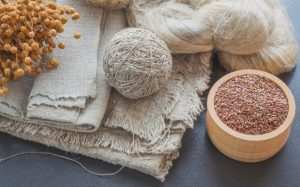
Organic cotton boasts a wonderfully soft and gentle texture, ideal for delicate baby skin. Its appearance is naturally varied, exhibiting subtle inconsistencies in color and weave that add to its charm. Unlike mass-produced cotton, organic cotton often presents a slightly less uniform appearance, with variations in fiber length and density leading to a more natural, less processed look. This irregularity adds to its appeal, suggesting a higher quality and a connection to nature.
The color palette is typically muted and earthy, ranging from creamy whites to soft beiges, and sometimes featuring subtle variations within the fabric itself. This natural variation is a hallmark of organic cotton and a testament to its sustainable production methods.
Finely Woven Linen Fabric Characteristics
Finely woven linen possesses a unique visual appeal. Its drape is elegant and fluid, lending itself to garments that fall gracefully. The fabric has a subtle sheen, a characteristic that enhances its luxurious feel. The weave is often visibly intricate, with individual linen fibers creating a slightly textured surface. The color of linen can range from crisp white to a variety of natural tones, including shades of beige, taupe, and even deeper earth tones.
The subtle sheen is not overly glossy but rather a soft luminosity that adds depth and richness to the fabric’s appearance. The inherent strength of linen also allows for fine weaves that still maintain durability.
Soft Plush Fleece Fabric Description
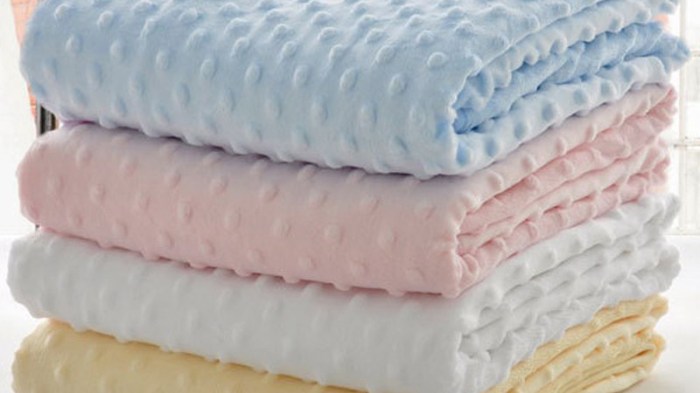
Soft, plush fleece is a popular choice for baby blankets and outerwear due to its exceptional warmth and cozy texture. Its appearance is characterized by a dense, fluffy pile that creates a soft, comforting surface. The pile is usually uniform in length, resulting in a consistent plushness throughout the fabric. The colors of fleece are generally vibrant and diverse, ranging from classic pastels to bolder, more playful hues.
The fabric itself is typically lightweight yet remarkably warm, making it ideal for chilly weather. The plush texture not only provides comfort but also adds a visually appealing element of softness and coziness, perfect for baby garments.
Selecting the perfect fabric for your baby’s clothes involves careful consideration of several key factors. By understanding the properties of different materials – their breathability, absorbency, and softness – you can ensure your baby’s comfort and well-being. This guide has provided a comprehensive overview of the best fabric choices, empowering you to make informed decisions that prioritize your little one’s delicate skin and overall health.
Remember to always prioritize natural, breathable fabrics whenever possible, and choose materials appropriate for the season and clothing type.
Frequently Asked Questions
Can I use fabric softener on baby clothes?
It’s generally recommended to avoid fabric softeners on baby clothes, as they can leave residue that irritates delicate skin.
How often should I wash baby clothes?
Wash baby clothes after each wear, especially if they’ve been soiled. Daily washing is often necessary.
What temperature should I wash baby clothes at?
Warm water is generally sufficient for most baby clothes. Always check the care label for specific instructions.
Are bamboo fabrics good for babies?
Bamboo is a soft, breathable, and hypoallergenic option that’s often suitable for baby clothing.