Choosing the right upholstery fabric can transform a room. The perfect fabric not only enhances the aesthetic appeal of your furniture but also significantly impacts its longevity and comfort. This guide delves into the key considerations for selecting the ideal fabric, balancing durability, style, and practicality to create a space that reflects your personal taste and stands the test of time.
From the robust strength of leather to the soft caress of velvet, the world of upholstery fabrics offers a diverse range of options, each with its unique characteristics. Understanding these differences – in terms of durability, stain resistance, comfort, and cost – is crucial for making an informed decision that aligns with your lifestyle and budget. We’ll explore the pros and cons of popular fabric choices, offering practical advice to help you select the perfect material for your furniture.
Cost and Maintenance
Choosing upholstery fabric involves careful consideration of both initial cost and long-term maintenance expenses. The price can vary dramatically depending on the material’s durability, aesthetic appeal, and the manufacturing process. Understanding these factors will help you make an informed decision that aligns with your budget and lifestyle.
Upholstery Fabric Costs and Lifespan
The table below provides a general overview of price ranges and average lifespan for various upholstery fabrics. Keep in mind that these are estimates and actual costs can fluctuate based on factors such as brand, quality, and pattern.
| Fabric Type | Price Range (Low, Medium, High) | Average Lifespan (Years) | Maintenance Costs |
|---|---|---|---|
| Polyester | Low – Medium | 5-10 | Low; generally easy to clean |
| Microfiber | Low – Medium | 7-12 | Low to Moderate; stain-resistant but requires occasional professional cleaning |
| Cotton | Medium | 5-8 | Moderate; prone to staining and fading, requires regular cleaning |
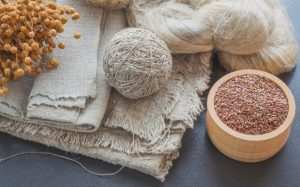
| Linen | Medium – High | 5-7 | Moderate to High; wrinkles easily, requires professional cleaning |
| Leather | High | 15-20+ | Moderate; requires conditioning and occasional professional cleaning |
| Velvet | Medium – High | 8-12 | Moderate; prone to crushing, requires professional cleaning for deep cleaning |
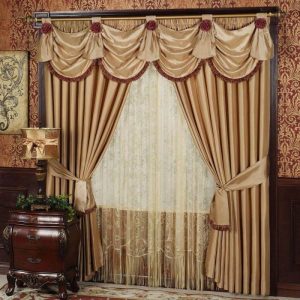
| Silk | High | 5-7 | High; delicate and requires specialized cleaning |
| Chenille | Medium – High | 10-15 | Moderate; relatively durable but requires careful cleaning |
Upholstery Fabric Maintenance Requirements
Regular maintenance is crucial for extending the life of your upholstered furniture. Different fabrics require different cleaning approaches. For example, microfiber is generally easy to spot clean, while leather requires conditioning to maintain its suppleness and prevent cracking. Neglecting regular cleaning can lead to irreversible staining, fading, and damage, resulting in higher replacement costs in the long run.
Long-Term Cost-Effectiveness of Upholstery Fabrics
The long-term cost-effectiveness of upholstery fabric depends on several interacting factors: initial cost, durability, maintenance requirements, and the cost of eventual replacement. A more expensive, durable fabric like leather might seem costly upfront, but its longevity and lower maintenance needs can prove more economical over 15-20 years compared to a less expensive fabric that needs replacing every 5-7 years.
Similarly, a fabric with high maintenance costs might offset its lower initial price. Consider the total cost of ownership—including purchase price, cleaning, and eventual replacement—when making your choice. For instance, while cotton might be initially cheaper, its susceptibility to stains and fading might necessitate frequent professional cleaning, ultimately increasing the overall cost.
Fabric Choices
Selecting the right upholstery fabric is a crucial decision impacting both the aesthetic appeal and longevity of your furniture. The ideal choice depends on a careful balancing act between desired look, practical considerations like durability and ease of cleaning, and, of course, your budget. Understanding these factors will guide you towards a fabric that perfectly suits your needs and lifestyle.Choosing the right fabric involves considering its visual appeal, how well it will withstand daily use, and how easily it can be cleaned.
A luxurious velvet might look stunning, but it may not be the most practical choice for a high-traffic area with children or pets. Conversely, a highly durable but less visually appealing fabric might be perfect for a heavily used piece, while a more delicate fabric might be better suited for a seldom-used armchair. Budget plays a significant role as well, with prices varying dramatically depending on the type of fiber, weave, and manufacturing process.
Fabric Selection for Different Furniture Pieces
The appropriate fabric choice varies considerably depending on the furniture piece and its intended use. Sofas, for instance, experience significantly more wear and tear than ottomans, requiring more durable fabrics.
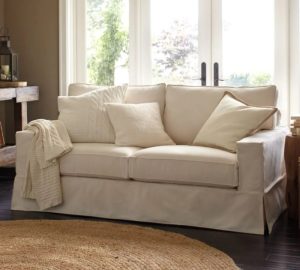
- Sofas: Sofas are central pieces in most living rooms, demanding fabrics that are both durable and stain-resistant. Consider performance fabrics with high abrasion resistance, such as microfiber, polyester blends, or durable woven cotton. Leather is also a popular choice for its longevity and easy cleaning, although it may require more specialized care.
- Armchairs: Armchairs generally receive less wear than sofas, allowing for a broader range of fabric choices. Velvet, linen, or even delicate silks can be suitable depending on the desired aesthetic and the chair’s location and use. However, consider the level of potential wear even for armchairs; a high-traffic area will need more durable fabric than one in a less-used space.
- Ottomans: Ottomans typically experience less wear than sofas or armchairs, offering more flexibility in fabric selection. However, the ottoman’s purpose should be considered; a footrest may require a more durable fabric than a decorative ottoman used primarily for storage.
Determining Appropriate Fabric Weight and Thickness
Fabric weight, measured in ounces per square yard (oz/sq yd), directly correlates with durability. Heavier fabrics generally offer superior wear resistance and longevity, making them suitable for high-traffic areas and frequently used furniture. Thickness is also important; thicker fabrics tend to drape better and offer more comfort, but they might also be more expensive.
- Light-weight fabrics (under 8 oz/sq yd): These are typically suitable for decorative pieces or less-used furniture, such as accent pillows or ottomans in a low-traffic area. Examples include sheer linens or lightweight silks. These fabrics are not suitable for high-traffic areas.
- Medium-weight fabrics (8-12 oz/sq yd): These offer a good balance between durability and comfort and are appropriate for moderately used furniture, such as armchairs or dining chairs. Examples include many cotton blends or some heavier linen options.
- Heavy-weight fabrics (over 12 oz/sq yd): These are ideal for high-traffic furniture, such as sofas and chairs in living rooms with frequent use. Examples include heavy-duty canvas, durable microfiber, and certain types of leather.
Ultimately, selecting the best upholstery fabric involves a careful assessment of your needs and preferences. By considering factors like durability, cleanability, comfort, aesthetics, and cost, you can make an informed choice that ensures both the beauty and longevity of your furniture. Remember to consider the intended use of the furniture, your lifestyle, and your budget to find the perfect balance.
Investing time in research will yield a rewarding result: furniture that is both stylish and practical, enhancing your home for years to come.
Frequently Asked Questions
What is the difference between microfiber and polyester upholstery?
Microfiber is a synthetic fabric known for its softness and durability, often boasting excellent stain resistance. Polyester is another synthetic option, offering good durability and affordability but potentially less softness than microfiber.
How often should I clean my upholstery?
Cleaning frequency depends on the fabric and your lifestyle. High-traffic areas may require more frequent cleaning (every 3-6 months), while less-used pieces can be cleaned annually or as needed.
Can I use bleach on my upholstery?
Generally, no. Bleach can damage most upholstery fabrics, causing discoloration and weakening the fibers. Always refer to the manufacturer’s cleaning instructions.
How do I prevent fading on my upholstery?
Limit direct sunlight exposure to prevent fading. Use UV-blocking curtains or blinds, and regularly rotate cushions to ensure even wear.