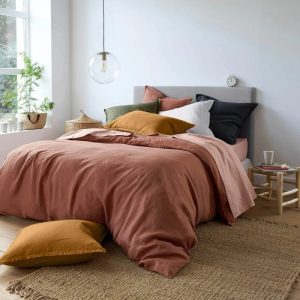
Choosing the right bedding fabric significantly impacts sleep quality and overall well-being. The feel, durability, and maintenance requirements of different materials vary considerably, influencing comfort and longevity. This exploration delves into the diverse world of bedding fabrics, examining natural and synthetic options to help you make informed decisions for a restful night’s sleep.
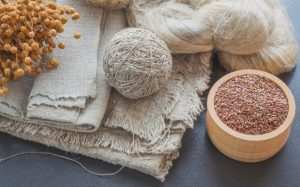
From the crisp coolness of linen to the soft embrace of cotton, the choices are plentiful. Understanding the properties of each fabric—its breathability, durability, and care requirements—is key to selecting the perfect bedding for your individual needs and climate. We’ll navigate the differences between natural fibers like cotton, linen, silk, and wool, and synthetic options such as polyester and microfiber, exploring their unique benefits and drawbacks.
We’ll also look at blends, which often combine the best qualities of both worlds.
Synthetic Fabrics
Synthetic fabrics have become increasingly popular in bedding due to their affordability, durability, and range of performance properties. These materials offer a variety of options to suit different preferences and budgets, from budget-friendly polyester sheets to luxurious microfiber duvet covers. Understanding the properties of each type is key to making informed choices for a comfortable and long-lasting sleep experience.Polyester, microfiber, and their blends each possess unique characteristics that influence their suitability for various bedding applications.
The following comparison highlights their individual strengths and weaknesses.
Polyester in Bedding
Polyester is a widely used synthetic fiber known for its affordability and resilience. It’s a popular choice for bedding due to its wrinkle resistance and easy care.
- Advantages: Affordable, wrinkle-resistant, durable, quick-drying, readily available in various colors and textures.
- Disadvantages: Can feel less soft than natural fibers, may not breathe as well, prone to static cling, can pill over time.
Polyester is frequently used in sheets, duvet covers, and pillowcases, particularly in budget-friendly bedding sets. Its durability makes it suitable for high-traffic areas like guest rooms or children’s bedrooms.
Microfiber in Bedding
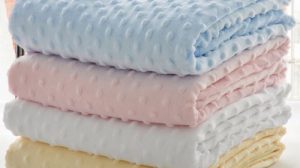
Microfiber is a synthetic fabric made from extremely fine polyester or nylon fibers. This creates a remarkably soft and smooth texture. Its unique structure contributes to its exceptional performance properties.
- Advantages: Exceptionally soft, wrinkle-resistant, highly absorbent, quick-drying, durable.
- Disadvantages: Can be more expensive than standard polyester, some lower-quality microfiber can feel less luxurious, may not be as breathable as some natural fibers.
Microfiber’s superior softness and absorbency make it a popular choice for luxury sheets and towels. Its wrinkle resistance also makes it ideal for duvet covers and pillowcases that require minimal ironing.
Polyester-Microfiber Blends in Bedding
Blending polyester and microfiber combines the benefits of both fabrics. The blend often results in a material that is softer than pure polyester yet more durable and wrinkle-resistant than pure microfiber.
- Advantages: Combines softness and durability, often more affordable than pure microfiber, wrinkle-resistant, relatively easy to care for.
- Disadvantages: The specific properties depend heavily on the blend ratio; a higher polyester content may compromise softness, while a higher microfiber content may increase cost.
Polyester-microfiber blends are frequently found in sheets, pillowcases, and duvet covers offering a balance between luxury and affordability. The specific ratio of each fiber will determine the final feel and performance characteristics of the bedding.
Ultimately, selecting bedding fabrics is a personal journey guided by comfort, budget, and lifestyle. By understanding the properties and characteristics of various natural and synthetic options, and considering factors such as climate and personal preferences, you can create a sleep sanctuary tailored to your individual needs. Investing in high-quality, well-suited bedding contributes significantly to a more restful and rejuvenating sleep experience.
Remember to consider the environmental impact and ethical sourcing of your choices for a holistic approach to creating your ideal bedroom haven.
Question & Answer Hub
What is thread count, and why is it important?
Thread count refers to the number of threads per square inch of fabric. Higher thread counts generally indicate finer, smoother, and more durable fabrics, although this isn’t always the case as weave type also plays a role.
How often should I wash my bedding?
Ideally, wash your sheets and pillowcases weekly, and duvet covers and blankets every 2-4 weeks, or as needed depending on use and personal preference.
What’s the difference between percale and sateen?
Percale is a crisp, cool, and tightly woven fabric with a matte finish. Sateen is a smoother, softer fabric with a lustrous sheen due to its unique weave.
Are organic cotton sheets worth the extra cost?
Organic cotton is grown without harmful pesticides and fertilizers, making it a more environmentally friendly and potentially hypoallergenic option. Whether it’s worth the extra cost depends on your priorities and budget.