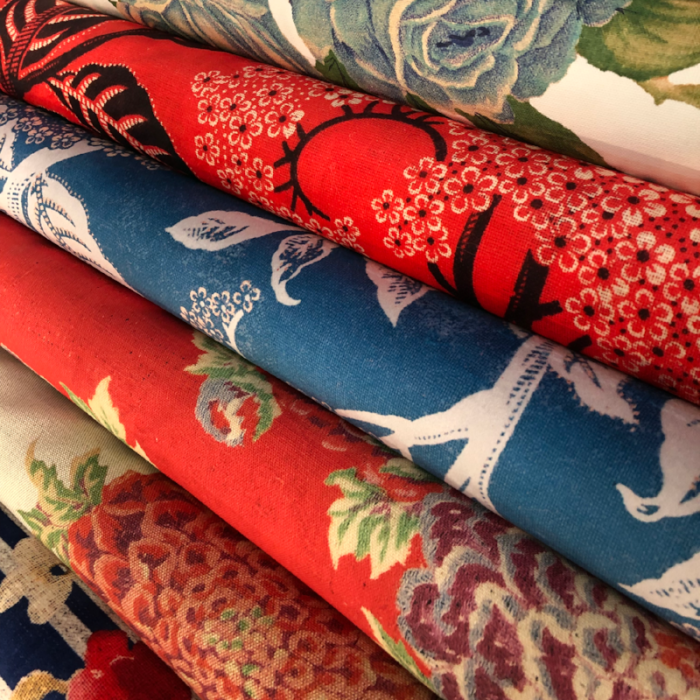
Transforming your house into a home involves careful consideration of numerous elements, and among the most impactful is the selection of fabrics. From the plush comfort of upholstery to the gentle drape of curtains, fabrics define the texture, ambiance, and overall aesthetic of your living spaces. This guide delves into the diverse world of home decor fabrics, offering insights into material properties, design considerations, and sustainable choices to help you create a space that reflects your unique style and personality.
We’ll explore a range of fabrics, comparing their durability, maintenance needs, and costs, guiding you towards the best options for different rooms and purposes. Understanding fabric properties – texture, drape, and suitability for various environments – is key to achieving a cohesive and functional design. We’ll also discuss the psychology of color, pattern selection, and the importance of sustainable and ethical sourcing in your home decor choices.
Fabric Selection Based on Room Function
Choosing the right fabric for your home décor significantly impacts both the aesthetic and the longevity of your furnishings. The ideal fabric will depend heavily on the room’s function and the level of wear and tear it experiences. Consider factors such as durability, maintenance requirements, and the overall desired ambiance when making your selections.Fabric choices should reflect the purpose and use of each room.
High-traffic areas require durable, easy-to-clean fabrics, while low-traffic spaces allow for more delicate and luxurious options. Understanding these nuances ensures your fabrics remain beautiful and functional for years to come.
Upholstery Fabric Selection for High and Low Traffic Areas
High-traffic areas, such as living rooms, benefit from durable fabrics like microfiber, polyester blends, or performance fabrics. These materials resist stains, wear, and tear, making them ideal for families with children or pets. In contrast, low-traffic areas, like bedrooms, offer more flexibility. Here, luxurious fabrics like velvet, linen, or silk can be considered, adding a touch of elegance and sophistication.
However, it is crucial to consider the level of maintenance required for these more delicate materials. For example, a velvet sofa in a living room might be impractical, while it could be a perfect choice for a master bedroom rarely used.
Fabric Choices for Curtains and Drapes
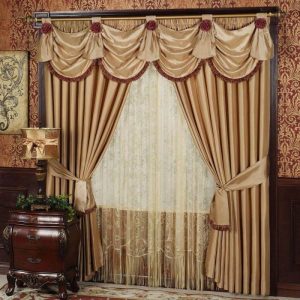
Curtain and drape fabric selection should prioritize light control, privacy, and aesthetic appeal. Heavier fabrics like blackout curtains offer excellent light blockage and privacy, ideal for bedrooms or media rooms. Lighter fabrics, such as sheer linen or cotton, allow for more natural light while maintaining a degree of privacy. Consider the overall style of the room when selecting a pattern and texture; for instance, a bold floral print might suit a cottage-style room, while a simple linen curtain would complement a minimalist design.
The weight of the fabric also influences how well it hangs and drapes, contributing to the overall aesthetic.
Fabric Selection for Throw Pillows, Blankets, and Decorative Accents
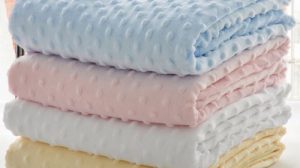
Throw pillows, blankets, and other decorative accents provide opportunities to introduce texture and color into a space. Consider a variety of textures, such as chunky knits, soft velvets, or crisp linens, to add visual interest. The colors should complement the existing décor, creating a cohesive and stylish look. For example, a room with neutral-toned walls might benefit from brightly colored throw pillows, while a room with bold wallpaper may require more subdued accent pieces.
Durability is less critical here than in upholstery, allowing for a wider range of more delicate materials.
Fabric Recommendations by Room
Choosing the right fabric for each room is crucial for both functionality and aesthetics. Here’s a guide to suitable fabric choices for a typical home:
- Living Room: Durable and stain-resistant fabrics like microfiber, polyester blends, or performance fabrics for upholstery; medium-weight curtains for light control and privacy; textured throw pillows and blankets in coordinating colors.
- Dining Room: Stain-resistant and easy-to-clean fabrics for upholstery (if applicable); elegant drapes or curtains in a luxurious fabric; decorative accents that complement the dining table setting.
- Bedrooms: Soft and luxurious fabrics like linen, cotton, or silk for bedding; blackout curtains for light control and privacy; plush blankets and decorative pillows for comfort and style.
- Bathrooms: Water-resistant and mold-resistant fabrics for shower curtains; absorbent bath mats; simple, easy-to-clean decorative accents.
- Kitchen: Durable and easy-to-clean fabrics for upholstery (if applicable); simple curtains or blinds for light control; practical and stain-resistant placemats and napkins.
Fabric Patterns and Textures
The selection of fabric patterns and textures plays a crucial role in shaping the atmosphere and aesthetic appeal of any interior space. Understanding the impact of different patterns and textures allows for the creation of a cohesive and visually engaging home environment. This section explores various pattern types, texture effects, and scale considerations to guide you in making informed fabric choices.
Popular Fabric Patterns and Their Ambiance
Floral patterns, a timeless classic, evoke feelings of romance, freshness, and tranquility. Subtle floral prints can create a delicate and sophisticated atmosphere, while bolder, larger-scale floral patterns can add a vibrant and energetic touch. Geometric patterns, encompassing stripes, checks, and other structured designs, offer a sense of order and modernity. Clean lines and sharp angles contribute to a minimalist or contemporary feel, while intricate geometric designs can create a more complex and visually stimulating space.
Abstract patterns, characterized by their free-flowing and non-representational forms, lend a sense of artistic expression and individuality to a room. They can add depth and visual interest, making a space feel more dynamic and creative. For instance, a room featuring a large abstract artwork might benefit from incorporating abstract patterns in its textiles to maintain a consistent and stylish theme.
The Influence of Fabric Textures on Room Feel
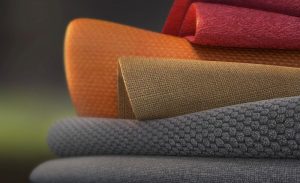
Fabric texture significantly impacts the tactile and visual experience of a space. Smooth fabrics, such as silk or satin, create a luxurious and elegant ambiance, reflecting light and adding a sense of sophistication. Rough textures, like linen or burlap, impart a rustic and casual feel, adding warmth and a touch of informality. Woven fabrics, with their intricate interlacing of threads, offer visual interest and texture depth, creating a sense of richness and craftsmanship.
Knitted fabrics, with their soft and pliable nature, contribute to a cozy and inviting atmosphere, ideal for bedrooms or living spaces designed for relaxation. Consider a living room with a plush, knitted throw blanket contrasted against smooth linen curtains for a balanced and appealing textural combination.
Pattern Scale and Room Size Considerations
The scale of a pattern significantly affects its visual impact within a room. Small-scale patterns, featuring subtle motifs, are ideal for smaller spaces, as they avoid overwhelming the area. They can also work well in rooms with busy or intricate details, as they won’t compete for visual attention. Large-scale patterns, conversely, are more suited to larger rooms, where they can create a bold statement without appearing cramped or overwhelming.
They are also effective in creating a focal point within a space, such as an accent chair or a headboard. Medium-scale patterns offer a balance, working well in rooms of average size and allowing for a more versatile design approach. A small bedroom with a large-scale floral pattern might feel cluttered, while a spacious living room could easily accommodate it.
Combining Patterns and Textures for Visual Interest
Mastering the art of combining different patterns and textures is key to creating a visually appealing and dynamic interior. One effective technique involves using a variety of patterns within the same color palette. This creates a cohesive look while preventing the space from feeling monotonous. Another approach is to combine patterns of different scales – for example, pairing a large-scale geometric print with a small-scale floral pattern.
Remember to consider the textures as well; combining smooth and rough fabrics adds depth and visual interest. A living room might feature a large-scale geometric rug, complemented by smaller-scale patterned throw pillows and smooth linen curtains. This blend of scale, pattern, and texture creates a dynamic yet harmonious aesthetic.
Color and Design Considerations
The psychology of color plays a significant role in shaping the mood and atmosphere of a home. Understanding how different colors impact our emotions allows for intentional design choices that promote relaxation, energy, or focus in specific areas. Careful consideration of color, in conjunction with fabric selection, can dramatically enhance the overall aesthetic and functionality of a living space.Color psychology suggests that warm colors like reds and oranges evoke feelings of warmth, energy, and excitement, while cool colors such as blues and greens promote calmness and serenity.
Neutral colors, like beiges and grays, offer a sense of balance and sophistication. However, the impact of a color can also be influenced by factors such as its shade, intensity, and the surrounding environment.
The Influence of Color on Mood and Atmosphere
Color significantly affects the emotional response to a space. Red, for instance, stimulates appetite and is often used in dining areas, while blue is frequently found in bedrooms due to its calming properties. Yellow, associated with happiness and optimism, can be energizing in moderation but overwhelming in large quantities. A well-balanced approach involves using a dominant color complemented by accents to create a harmonious and emotionally resonant environment.
For example, a living room featuring predominantly calming blues can incorporate pops of vibrant yellow in throw pillows or artwork to add a touch of cheerfulness without disrupting the overall serene atmosphere.
Selecting Fabric Colors to Complement Existing Decor
Choosing fabric colors that complement existing furniture and decor involves considering the existing color palette and its undertones. If the room features predominantly warm tones, selecting fabrics with similar warm undertones will create a cohesive and balanced look. Conversely, introducing cool-toned fabrics into a warm-toned room can create a visually interesting contrast, provided the colors are carefully chosen to avoid clashing.
A useful technique is to utilize the color wheel to identify complementary, analogous, or triadic color schemes. For example, if the existing furniture is predominantly beige, incorporating fabrics in shades of brown, olive green, or soft blue can create a sophisticated and harmonious palette.
The Impact of Fabric Color on the Perception of Space
Light colors, such as pastels and whites, reflect more light and create the illusion of larger space. This is particularly useful in smaller rooms where darker colors can make the space feel cramped and confined. Conversely, darker colors can make a room feel more intimate and cozy, but should be used strategically, perhaps as accent walls or in smaller areas.
The use of lighter-colored fabrics on upholstery and curtains, combined with light-colored walls, can significantly enhance the perceived spaciousness of a room, making it feel more open and airy.
A Living Room Design Example
Imagine a living room designed with a calming, yet sophisticated, palette centered around muted greens and blues. The walls are painted a soft sage green, creating a tranquil backdrop. The main seating consists of a large sofa upholstered in a textured linen fabric in a muted teal blue. Two armchairs, positioned flanking a fireplace, are covered in a plush velvet fabric in a slightly darker shade of teal, adding a touch of luxury.
Throw pillows in various shades of green, blue, and cream, incorporating patterns such as subtle florals and geometric designs, add visual interest and texture. A large area rug in a creamy off-white with a subtle blue and green patterned border anchors the seating area and further softens the space. The curtains, made from a sheer linen fabric in a light sage green, allow ample natural light to filter into the room, while maintaining privacy.
The overall effect is one of relaxed elegance, where the interplay of textures and colors creates a harmonious and inviting atmosphere.
Sustainability and Ethical Sourcing
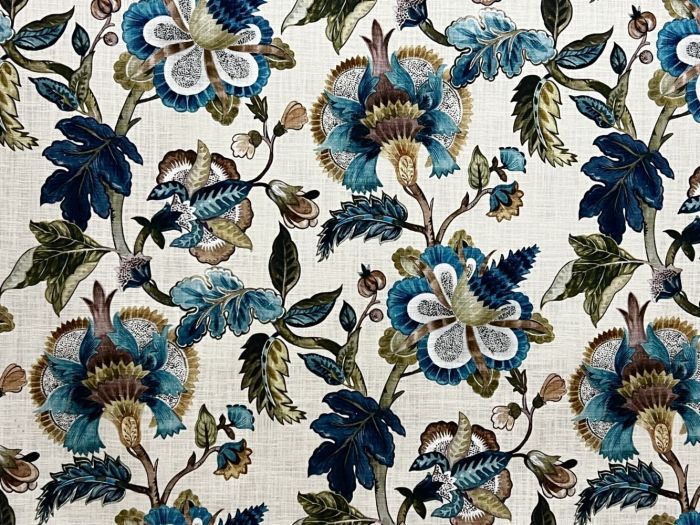
Choosing fabrics for your home décor involves more than just aesthetics; it also carries significant environmental and social implications. The production of textiles has a substantial impact on our planet, from water and energy consumption to waste generation and pollution. Understanding the environmental footprint of different fabrics and prioritizing sustainable and ethical options is crucial for responsible home decorating.The environmental impact of fabric production varies greatly depending on the raw materials, manufacturing processes, and transportation involved.
Conventional cotton farming, for example, is known for its high water usage and reliance on pesticides, contributing to water pollution and harming biodiversity. Synthetic fabrics, such as polyester, are derived from petroleum, a non-renewable resource, and their production releases greenhouse gases. Conversely, some natural fibers, like organic cotton or linen, boast a lower environmental impact due to sustainable farming practices and biodegradability.
Eco-Friendly and Sustainable Fabric Options
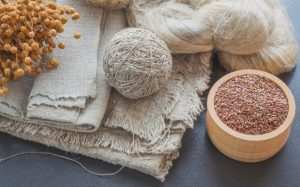
Several eco-friendly and sustainable fabric options are available for home décor, offering a balance between style and environmental responsibility. Organic cotton, grown without harmful pesticides and fertilizers, is a popular choice. Linen, a natural fiber made from flax plants, is durable, breathable, and biodegradable. Hemp, a fast-growing plant requiring minimal water and pesticides, offers a strong and sustainable alternative.
Tencel (Lyocell), a cellulose fiber made from sustainably sourced wood pulp through a closed-loop process, is another environmentally friendly option. Finally, recycled fabrics, made from pre-consumer or post-consumer textile waste, significantly reduce landfill waste and resource consumption. Each option presents unique characteristics and benefits, allowing for diverse design choices within a sustainable framework.
Benefits of Ethically Sourced Fabrics
Choosing ethically sourced fabrics goes beyond environmental considerations; it also promotes fair labor practices and social responsibility. Ethically sourced fabrics ensure that workers involved in the production process receive fair wages, work in safe conditions, and are treated with respect. This commitment to ethical sourcing contributes to improved livelihoods in textile-producing communities and reduces the risk of exploitation and human rights abuses often associated with fast fashion and unsustainable practices.
Furthermore, supporting ethical brands encourages transparency and accountability within the textile industry, fostering a more sustainable and equitable supply chain.
Certifications and Labels for Sustainable and Ethical Production
Several certifications and labels help consumers identify fabrics produced sustainably and ethically. The Global Organic Textile Standard (GOTS) is a widely recognized certification for organic textiles, ensuring that the entire supply chain, from farming to manufacturing, meets strict environmental and social criteria. Fairtrade certification guarantees fair prices and working conditions for farmers and workers. OEKO-TEX Standard 100 verifies that textiles are free from harmful substances.
The B Corp certification recognizes companies committed to social and environmental responsibility, extending beyond just the production of fabrics. Consumers can look for these and other similar labels to make informed choices that align with their values and contribute to a more sustainable and ethical textile industry.
Fabric Care and Maintenance
Proper fabric care is crucial for extending the lifespan of your home decor and maintaining its aesthetic appeal. Understanding the specific needs of different fabrics will ensure your investment remains beautiful and functional for years to come. This section will Artikel cleaning methods, stain removal techniques, and durability considerations for various common fabrics.
Cleaning and Care for Various Fabrics
Different fabrics require different cleaning approaches. Natural fibers like cotton and linen are generally more durable and easier to clean than delicate synthetics such as silk or velvet. Cotton and linen can usually withstand machine washing, though always check care labels for specific instructions. Delicate fabrics, however, often require hand washing or professional dry cleaning to prevent damage.
Upholstery fabrics, in particular, may need specialized cleaning solutions and methods to avoid discoloration or shrinkage. Regular vacuuming is essential for all upholstery fabrics to remove dust and dirt that can contribute to wear and tear.
Stain Removal Techniques and Preventing Fabric Damage
Prompt action is key to successful stain removal. Blot (don’t rub!) spills immediately with a clean cloth to absorb as much of the liquid as possible. For specific stains, use appropriate cleaning solutions; for example, a mixture of mild detergent and water often works well for many common stains. Always test any cleaning solution on an inconspicuous area first to ensure it doesn’t damage the fabric.
To prevent fabric damage, avoid placing hot objects directly on fabric surfaces and use coasters under drinks. Regular vacuuming and professional cleaning can also help prevent the buildup of dirt and grime that can attract stains and damage fibers over time.
Lifespan and Durability of Different Fabrics
The lifespan of a fabric depends on several factors, including its fiber content, construction, and the level of care it receives. Durable fabrics like canvas and heavy-duty linen can last for many years with proper care, while delicate fabrics like silk or rayon may require more attention and may not withstand heavy use. Environmental factors such as sunlight and humidity can also affect fabric lifespan; prolonged exposure to sunlight can cause fading and weakening of fibers.
Regular cleaning and proper storage can significantly extend the life of your fabrics. For example, a high-quality linen sofa, regularly cleaned and protected from direct sunlight, could easily last a decade or more, whereas a cheaply made synthetic fabric sofa might show significant wear and tear within a few years.
Fabric Maintenance Comparison
| Fabric Type | Cleaning Method | Stain Removal | Durability | Lifespan (Estimate) |
|---|---|---|---|---|
| Cotton | Machine wash or hand wash | Generally easy to clean | High | 5-10+ years |
| Linen | Machine wash or hand wash | Generally easy to clean | High | 5-10+ years |
| Silk | Dry clean only | Requires professional cleaning | Low | 2-5 years |
| Velvet | Dry clean or spot clean | Requires careful treatment | Moderate | 3-7 years |
| Polyester | Machine wash or spot clean | Generally easy to clean | Moderate to High | 3-7 years |
| Wool | Dry clean or hand wash | Requires careful treatment | High | 5-10+ years |
Ultimately, selecting the right fabrics for your home decor is a journey of discovery, balancing aesthetics with practicality. By understanding the properties of different materials, considering the function of each room, and embracing sustainable practices, you can create a living environment that is both beautiful and functional. Remember to prioritize quality, consider your lifestyle, and most importantly, choose fabrics that bring you joy and reflect your personal style.
The result will be a home that feels uniquely yours, a sanctuary of comfort and style, crafted with thoughtful attention to detail.
Common Queries
What is the best fabric for pet owners?
Durable, stain-resistant fabrics like microfiber or performance fabrics are ideal for pet owners. They are easy to clean and resist damage from claws and spills.
How can I prevent fabric fading?
Minimize direct sunlight exposure by using curtains or blinds. Regularly cleaning and protecting fabrics from spills will also help prevent fading.
What’s the difference between linen and cotton?
Linen is generally more durable and wrinkle-resistant than cotton but also more expensive. Cotton is softer and more readily available in a wider variety of colors and patterns.
How do I choose the right fabric weight for curtains?
Heavier fabrics offer better light blocking and insulation, while lighter fabrics provide a more airy feel. Consider the room’s function and desired level of light control.