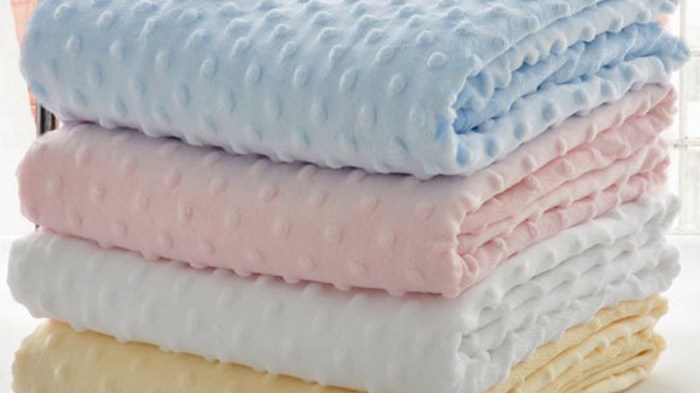
Choosing the right fabrics for your baby’s clothes is crucial for their comfort, health, and well-being. From the delicate skin of a newborn to the active toddler, the fabric’s breathability, softness, and safety are paramount. This guide explores the diverse world of baby fabrics, offering insights into selecting materials that prioritize both comfort and sustainability.
We’ll delve into the properties of various fabrics – natural versus synthetic, their suitability for different seasons and garments, and the importance of considering ethical sourcing. Understanding these factors empowers parents to make informed decisions, ensuring their little ones are dressed in clothing that is not only adorable but also safe and comfortable.
Safety and Comfort of Baby Fabrics
Choosing the right fabric for your baby’s clothes is crucial for their comfort and well-being. A baby’s skin is delicate and sensitive, making fabric selection a critical aspect of their overall health and happiness. The right fabric will help regulate their body temperature, prevent irritation, and allow for comfortable movement.
Breathability in Baby Clothing Fabrics
Breathability is paramount in baby clothing fabrics. Babies have a higher metabolic rate than adults and generate more heat, making it essential that their clothes allow for adequate air circulation to prevent overheating and potential skin problems like rashes or heatstroke. Non-breathable fabrics trap moisture against the skin, creating a warm, humid environment that can irritate delicate skin and increase the risk of infection.
Choosing breathable fabrics helps maintain a comfortable temperature and keeps your baby dry and happy.
Comparison of Natural and Synthetic Fabrics for Baby Skin
Natural fabrics, such as cotton, wool, and silk, are generally preferred for baby clothes due to their inherent breathability and softness. These materials are often hypoallergenic and less likely to cause allergic reactions or skin irritations. However, natural fibers can sometimes be more expensive and require more care. Synthetic fabrics, such as polyester, are often more affordable and durable but may not be as breathable or soft as natural fibers.
They can also trap heat and moisture, potentially leading to discomfort and skin problems. While some synthetic fabrics are designed to be more breathable and soft, careful selection is crucial.
Risks Associated with Harmful Chemicals and Dyes in Fabrics
Many fabrics are treated with chemicals during manufacturing, including dyes, flame retardants, and finishing agents. Some of these chemicals can be harmful to babies’ delicate skin and even their overall health. Exposure to certain chemicals can lead to allergic reactions, skin irritations, respiratory problems, and other health issues. Look for clothing labeled as “organic” or “OEKO-TEX Standard 100” certified, indicating that the fabric has been tested for harmful substances and meets strict safety standards.
Hypoallergenic Fabrics for Babies
Several fabrics are known for their hypoallergenic properties, making them suitable for babies with sensitive skin. Cotton, particularly organic cotton, is a popular choice due to its softness, breathability, and hypoallergenic nature. Silk is another excellent option, known for its luxurious softness and hypoallergenic qualities. Wool, while naturally warm, can be irritating for some babies. However, merino wool, a softer type of wool, is often better tolerated.
Choosing hypoallergenic fabrics minimizes the risk of allergic reactions and keeps your baby’s skin healthy and happy.
Fabric Comparison Table
| Fabric | Breathability | Absorbency | Softness | Cost |
|---|---|---|---|---|
| Cotton | Excellent | Excellent | Excellent | Moderate |
| Wool (Merino) | Good | Good | Good | High |
| Silk | Good | Moderate | Excellent | High |
| Polyester | Poor | Poor | Moderate | Low |
Fabric Properties and Their Impact on Baby Clothes
Choosing the right fabric for your baby’s clothes is crucial for their comfort and well-being. The properties of the fabric, such as weight, shrinkage, ease of care, and drape, significantly influence the garment’s suitability and longevity. Understanding these properties will help you make informed decisions when selecting clothing for your little one.
Fabric Weight and Seasonality
Fabric weight plays a vital role in determining a garment’s suitability for different seasons. Lighter fabrics, such as cotton voile or muslin, are ideal for warmer months (summer) as they allow for better breathability and prevent overheating. Heavier fabrics, such as fleece or flannel, are more appropriate for colder months (winter) because they offer better insulation and warmth.
For example, a lightweight cotton onesie is perfect for a summer day, while a heavier fleece romper is better suited for a winter outing. The weight is usually measured in grams per square meter (gsm). A higher gsm indicates a heavier fabric.
Fabric Shrinkage and Garment Longevity
Fabric shrinkage is the tendency of a fabric to reduce in size after washing or drying. This is particularly important for baby clothes, as shrinkage can significantly affect the garment’s fit and longevity. Pre-shrunk fabrics are treated to minimize shrinkage, ensuring the garment retains its size and shape after multiple washes. Choosing pre-shrunk fabrics is crucial for extending the lifespan of your baby’s clothes and avoiding the frustration of clothing that becomes too small after washing.
Natural fibers like cotton are more prone to shrinkage than synthetics, but proper pre-treatment by manufacturers can mitigate this.
Easy-Care Fabrics
Ease of care is a significant factor when choosing fabrics for baby clothes. Frequent washing is necessary for baby clothes, so choosing fabrics that are easy to wash, dry, and iron is essential. Fabrics like cotton, polyester blends, and bamboo are generally easy to care for, often machine washable and dryable. These fabrics usually require minimal ironing, saving you time and effort.
In contrast, delicate fabrics like silk or linen require more specialized care, making them less practical for everyday baby clothes.
Fabric Drape and Texture: Impact on Fit and Comfort
The drape and texture of a fabric directly influence the fit and comfort of baby clothes. Fabrics with a soft, supple drape, such as cotton jersey or modal, tend to be more comfortable against delicate baby skin. These fabrics conform to the baby’s body, providing a comfortable and unrestrictive fit. Conversely, stiffer fabrics like linen or denim might be less comfortable and may restrict movement.
The texture of the fabric is also crucial; smooth, soft textures are generally preferred for baby clothes to minimize irritation and discomfort. A smooth cotton knit, for example, will feel more pleasant against the skin than a rough woven fabric.
Choosing Fabrics for Specific Baby Garments
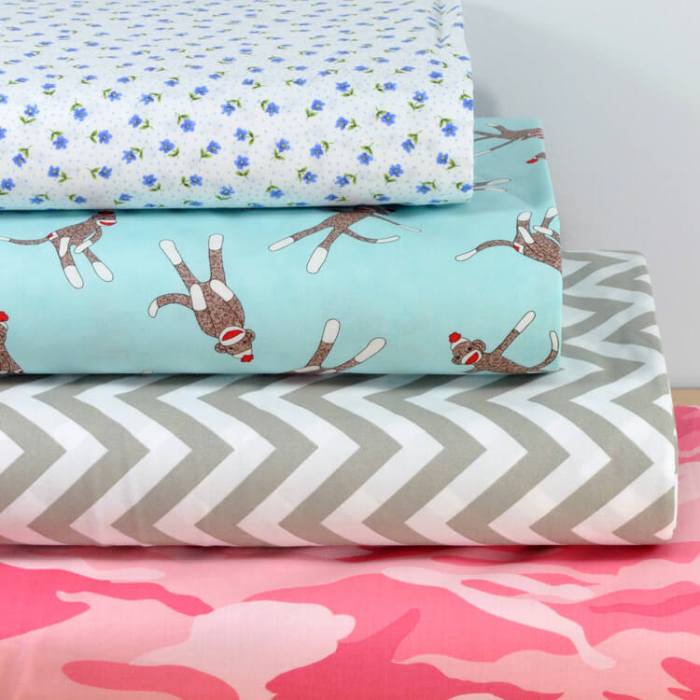
Selecting the right fabric for your baby’s clothing is crucial for their comfort, safety, and overall well-being. The choice of fabric significantly impacts temperature regulation, skin sensitivity, and protection from the elements. This section provides a guide for choosing fabrics based on the garment type and your baby’s needs.
Fabric Selection for Baby Sleepwear
Choosing safe and comfortable fabrics for baby sleepwear is paramount to ensure a restful and healthy sleep. The material should be breathable to prevent overheating and soft to avoid irritation against delicate skin. Natural fibers are generally preferred for their breathability and hypoallergenic properties. Synthetics, while sometimes offering advantages like wrinkle resistance, should be chosen cautiously, ensuring they are breathable and free from harmful chemicals.
Consider these factors when selecting sleepwear fabrics:
- Breathability: Opt for fabrics that allow air circulation to prevent overheating, such as 100% cotton, cotton muslin, or bamboo.
- Softness: Choose soft, gentle fabrics that won’t irritate your baby’s skin. Avoid rough textures or seams.
- Temperature Regulation: Lightweight fabrics are ideal for warmer months, while slightly heavier fabrics like flannel can provide warmth during colder seasons.
- Flammability: Always choose fabrics that meet flammability standards for children’s sleepwear. Look for labels indicating compliance with relevant safety regulations.
Fabric Selection for Baby Outerwear
Baby outerwear needs to provide protection from the elements while remaining comfortable and safe. The choice of fabric will depend on the weather conditions and the activity level of the baby. Waterproof and windproof fabrics are essential for colder weather, but breathability remains crucial to prevent overheating and sweating.
Here are some suitable fabrics for baby outerwear:
- Waterproof and Windproof Fabrics: For cold, wet weather, consider fabrics like nylon or polyester with a waterproof and windproof coating. Ensure the coating is free from harmful chemicals.
- Fleece: Fleece is a warm and soft fabric that is ideal for milder weather conditions. It’s lightweight and breathable, making it a good choice for layering.
- Wool: Wool is a natural fiber that provides excellent insulation and is naturally water-resistant. However, it can be itchy for some babies, so it’s best to opt for soft, processed wool.
- Cotton blends: Cotton blends can offer a good balance of warmth, breathability, and water resistance, especially when combined with materials like polyester.
Fabric Selection for Different Baby Clothing Items
Different baby garments require different fabric choices based on their function and location on the body. For example, fabrics that are soft and gentle against the skin are ideal for items like onesies and socks, while more durable fabrics might be preferable for outerwear.
Examples of suitable fabrics for various baby clothing items:
- Onesies: 100% cotton, cotton interlock, bamboo rayon
- Socks: 100% cotton, cotton blends, merino wool (for warmer socks)
- Hats: 100% cotton, cotton blends, fleece (for winter hats), merino wool (for winter hats)
- Mittens and Booties: Fleece, soft cotton, merino wool
- Bibs: Waterproof and easily washable fabrics like cotton, polyester blends, or PUL (polyurethane laminate)
Fabric Selection for Babies with Sensitive Skin or Eczema
Babies with sensitive skin or eczema require extra care when choosing fabrics. Natural, hypoallergenic fabrics are essential to minimize irritation and reduce the risk of flare-ups. Avoid harsh chemicals, dyes, and rough textures.
Recommendations for babies with sensitive skin or eczema:
- 100% Cotton: A classic choice, known for its softness and breathability.
- Bamboo Rayon: Naturally hypoallergenic and incredibly soft, making it a good option for sensitive skin.
- Organic Cotton: Grown without pesticides or harmful chemicals, reducing the risk of irritation.
- Silk: Naturally hypoallergenic and soft, but can be more expensive.
- Avoid: Synthetic fabrics, rough textures, strong dyes, and fabrics treated with harsh chemicals.
Fabric Sourcing and Sustainability
Choosing fabrics for baby clothes involves more than just aesthetics and feel; it’s crucial to consider the environmental and ethical implications of production. The entire lifecycle of a fabric, from raw material sourcing to disposal, significantly impacts our planet. Understanding these impacts empowers us to make more conscious and sustainable choices for our little ones.The environmental impact of fabric production varies dramatically depending on the material and its manufacturing process.
Conventional cotton farming, for instance, is notorious for its heavy reliance on pesticides and fertilizers, which contaminate water sources and harm biodiversity. Synthetic fabrics, like polyester, are derived from petroleum, a non-renewable resource, and their production contributes to greenhouse gas emissions. Conversely, organic farming practices minimize environmental damage, while some innovative materials offer truly sustainable alternatives.
The Sustainability of Organic Cotton Versus Conventional Cotton
Organic cotton cultivation prioritizes ecological balance and avoids harmful chemicals. This contrasts sharply with conventional cotton farming, which often involves intensive pesticide and fertilizer use. The reduced environmental impact of organic cotton is evident in its lower water consumption, decreased soil degradation, and minimized pollution of waterways. While organic cotton typically commands a higher price due to its more labor-intensive production, the long-term environmental benefits are substantial.
For example, studies have shown that organic cotton production can reduce greenhouse gas emissions by up to 46% compared to conventional cotton. This difference highlights the significant environmental advantage of opting for organic materials.
Benefits of Recycled and Upcycled Fabrics for Baby Clothes
Utilizing recycled or upcycled fabrics offers a compelling pathway towards sustainable fashion. Recycled fabrics are created from pre-consumer or post-consumer textile waste, diverting materials from landfills and reducing the need for virgin resources. Upcycled fabrics take this a step further, transforming existing materials into new garments with enhanced value. This approach minimizes waste and significantly reduces the environmental footprint associated with fabric production.
For example, using recycled polyester reduces reliance on petroleum-based production and decreases the carbon footprint. Similarly, upcycling old clothing into baby clothes gives existing materials a new purpose, promoting a circular economy.
Criteria for Selecting Ethically Sourced Fabrics
Selecting ethically sourced fabrics requires careful consideration of various factors throughout the supply chain. Transparency and traceability are paramount. A commitment to fair labor practices is crucial, ensuring safe working conditions and fair wages for workers involved in the production process.
- Transparency and Traceability: Knowing the origin of the raw materials and the manufacturing process is essential. Look for brands that provide detailed information about their supply chains.
- Fair Labor Practices: Verify that the fabrics are produced under ethical working conditions, ensuring fair wages, safe working environments, and respect for workers’ rights.
- Environmental Certifications: Seek out fabrics with certifications like GOTS (Global Organic Textile Standard) or OEKO-TEX Standard 100, indicating compliance with environmental and social responsibility standards.
- Sustainable Production Methods: Prioritize fabrics produced using sustainable methods that minimize water and energy consumption, reduce pollution, and promote biodiversity.
- Recycled or Upcycled Content: Opt for fabrics containing recycled or upcycled materials to reduce waste and conserve resources.
Visual Guide to Baby Fabrics
Selecting the right fabric for your baby’s clothes is crucial for their comfort and well-being. Understanding the visual characteristics of different fabrics allows for informed choices, ensuring both softness and durability. This visual guide explores the appearance and feel of various fabrics commonly used in baby clothing, highlighting the differences between natural and synthetic options and the impact of weave structures.
Fabric Appearance and Feel
The tactile experience and visual appeal of fabrics significantly influence their suitability for baby clothes. Softness, drape, and texture are key considerations. Cotton, for instance, is known for its soft, absorbent nature and slightly matte appearance. Its surface is typically smooth with a subtle texture, depending on the weave. Linen, in contrast, possesses a slightly coarser, more textured surface with a characteristic slightly stiff drape.
It has a natural luster, appearing somewhat more matte than silk but with a subtle sheen. Bamboo fabric is exceptionally soft and drapes well, exhibiting a smooth, almost silky feel to the touch, while maintaining a slightly more matte finish than silk. Finally, polyester, a synthetic fiber, often appears smooth and shiny with a uniform texture, lacking the natural variations seen in natural fibers.
Its drape is typically less fluid than cotton or linen.
Weave Structures and Their Visual Impact
The way yarns are interlaced to create a fabric—the weave—significantly affects its look and feel. A plain weave, the simplest type, features a simple over-under pattern, resulting in a relatively even and consistent texture. This is common in many cotton baby garments. In contrast, a twill weave, characterized by diagonal lines, creates a more textured and durable fabric with a slightly raised surface.
This weave is often used for stronger baby clothing items like pants or outerwear. The visual difference is readily apparent: plain weave fabrics look more uniform, while twill weave fabrics show distinct diagonal lines.
Visual Differences Between Natural and Synthetic Fabrics
Natural fibers, such as cotton, linen, and bamboo, often exhibit variations in texture and color, reflecting their natural origins. These variations contribute to a more organic and often softer feel. Synthetic fibers, like polyester and nylon, typically present a more uniform and consistent appearance, with a smoother, often shinier surface. The visual difference is quite stark; natural fibers often appear slightly less perfect and more ‘rustic’ than the uniform appearance of synthetic materials.
The drape and feel also differ considerably.
Visual Comparison Table of Baby Fabrics
| Fabric | Image Description | Texture | Appearance |
|---|---|---|---|
| Cotton | Imagine a soft, white sheet, slightly matte with a subtle, even texture. The weave might be barely visible. | Soft, smooth, slightly absorbent | Matte, even texture, possibly with slight variations depending on weave |
| Linen | Picture a slightly textured, off-white fabric with a subtle sheen. The weave is more visible, creating a slightly uneven surface. | Slightly coarse, textured, crisp | Subtle sheen, visible weave, slightly uneven surface |
| Bamboo | Visualize a smooth, pale-green fabric with a soft, silky drape. The surface is very even and uniform. | Soft, smooth, silky, absorbent | Smooth, uniform, slightly matte finish |
| Polyester | Imagine a bright, uniformly colored fabric with a slight sheen. The surface is very smooth and consistent. | Smooth, slightly slippery | Uniform, shiny or semi-shiny, consistent texture |
Ultimately, selecting fabrics for baby clothes involves a careful consideration of several factors: safety, comfort, practicality, and sustainability. By understanding the properties of different fabrics and prioritizing ethical sourcing, parents can ensure their babies are dressed in clothing that is both kind to their skin and to the planet. Remember, informed choices lead to happier, healthier babies.
Question & Answer Hub
Can I put baby clothes in the dryer?
Many fabrics can be machine dried on low heat, but always check the care label first. Delicate fabrics like silk or wool are best air-dried.
What fabrics are best for sensitive skin?
Look for 100% cotton, particularly organic cotton, or hypoallergenic options like bamboo or Tencel. Avoid synthetic fabrics and those with harsh dyes.
How do I know if a fabric is ethically sourced?
Look for certifications like GOTS (Global Organic Textile Standard) or Fair Trade. Research the brands you buy from and check their sustainability policies.
How often should I wash baby clothes?
Daily or every other day, especially for clothes that come into direct contact with skin. Always wash new clothes before first use.