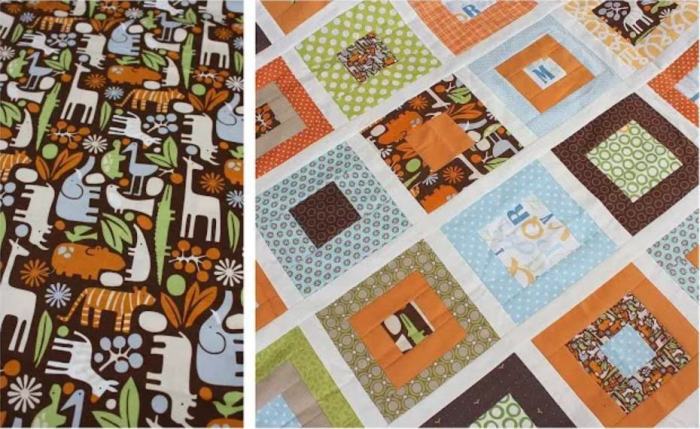
The art of quilting, a timeless tradition, hinges on the careful selection of fabrics. From the crispness of cotton to the luxurious drape of silk, the right fabric can elevate a quilt from a simple patchwork to a cherished heirloom. Understanding the properties of different fabrics—their weight, texture, and suitability for various quilting techniques—is crucial for achieving both aesthetic and functional success.
This guide delves into the world of quilting fabrics, offering insights to help you choose the perfect materials for your next project.
We will explore a range of fabric types, from the ever-popular quilting cottons to more unique options like linen and silk. We’ll examine the advantages and disadvantages of each, considering factors such as durability, drape, and ease of stitching. We’ll also discuss the importance of pre-washing, fabric weight, and thread count, providing practical tips and guidance for quilters of all skill levels.
By the end, you’ll have a clearer understanding of how to select fabrics that will result in a beautiful, long-lasting quilt.
Introduction to Quilting Fabrics
Choosing the right fabric is paramount to a successful quilting project. The durability, drape, and aesthetic appeal of your finished quilt depend heavily on the fabrics you select. Understanding the properties of different fabrics will allow you to make informed decisions and achieve the desired look and feel for your quilt.The characteristics of good quilting fabrics generally include a tight weave to prevent fraying and ensure even stitching, a pleasing hand (the way the fabric feels to the touch), and colorfastness to resist fading.
They should also be pre-washed to avoid shrinkage after the quilt is completed. Different fibers offer varying degrees of these characteristics.
Quilting Cotton, Linen, and Silk: A Comparison
Quilting cotton, linen, and silk represent three distinct fabric choices, each with its own advantages and disadvantages for quilting. Quilting cotton is the most popular choice due to its wide availability, affordability, and ease of use. Linen offers a more rustic and textured look, while silk provides a luxurious feel and drape, though it presents more challenges in terms of working with the fabric.
Fabric Properties Comparison
| Fabric Type | Pros | Cons | Suitability |
|---|---|---|---|
| Quilting Cotton | Widely available, affordable, easy to sew, comes in a vast array of colors and prints, relatively easy to care for. | Can wrinkle easily, may not be as durable as linen, some colors may fade over time if not properly pre-treated. | Best for most quilting projects, especially beginners. Ideal for traditional quilts, scrappy quilts, and larger projects. |
| Linen | Durable, naturally breathable, develops a beautiful patina with age, has a unique texture. | Can be more expensive than cotton, wrinkles easily, can be more challenging to sew due to its uneven texture, requires careful pre-washing. | Suitable for projects where texture and durability are important. Excellent for heirloom quilts, modern quilts with a rustic feel, and smaller projects. |
| Silk | Luxurious feel, beautiful drape, unique sheen. | Expensive, delicate, difficult to sew (requires specialized needles and techniques), requires special care and cleaning. | Best suited for very small, high-end projects or decorative elements within a larger quilt made of a more durable fabric. Not recommended for beginners. |
Cotton Fabrics for Quilting
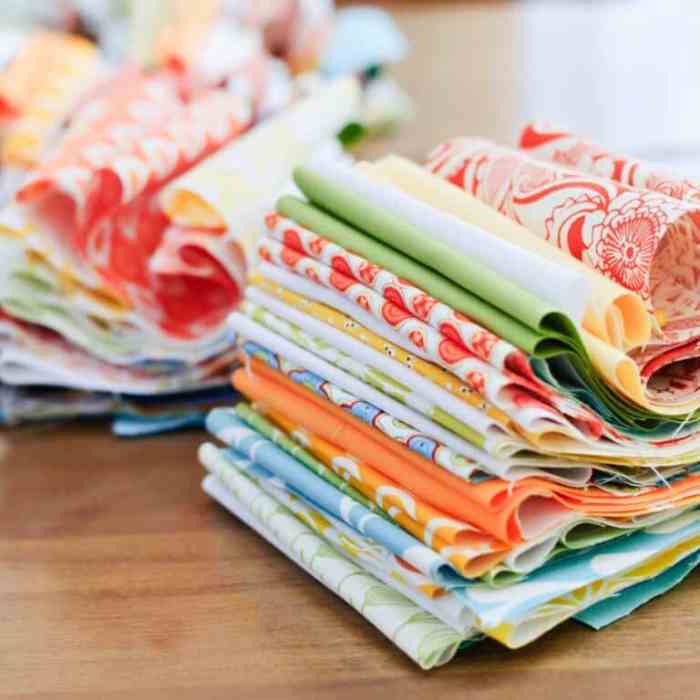
Cotton remains the undisputed queen of quilting fabrics, prized for its breathability, softness, and wide array of colors and patterns. Its versatility makes it suitable for a vast range of quilting projects, from intricate pieced designs to simple, comforting throws. Understanding the different types of cotton available and their properties is key to selecting the perfect fabric for your next quilting endeavor.Cotton’s popularity stems from its ease of use and its ability to accept dyes beautifully, resulting in a stunning spectrum of colors and prints.
However, different types of cotton possess varying characteristics that impact their suitability for different quilting techniques and projects.
Types of Quilting Cotton
The world of quilting cotton offers an extensive variety, each with its own unique qualities. Choosing the right type depends on the project, your personal preference, and your budget. Some of the most popular brands include Kona Cotton and Moda Fabrics. Kona Cotton is known for its solid, even color and consistent quality, making it a favorite for quilters who appreciate a clean, unblemished look.
Moda Fabrics, on the other hand, offers a vast range of designer prints, often featuring vibrant colors and intricate patterns, ideal for creating visually striking quilts. Other notable brands offer unique blends and textures, further expanding the options available to quilters. Many smaller independent fabric designers and shops also produce high-quality quilting cottons.
100% Cotton versus Cotton Blends
The choice between 100% cotton and cotton blends often comes down to personal preference and the intended use of the quilt. 100% cotton is generally preferred for its breathability and softness, making it ideal for quilts used as bedding or throws. It also tends to drape well and is relatively easy to work with. However, 100% cotton can sometimes wrinkle more easily than blends and may be slightly more prone to shrinkage.
Cotton blends, which often incorporate polyester, are more resistant to wrinkles and shrinkage, and can be more durable. However, they may not be as breathable or soft as 100% cotton. The inclusion of polyester can sometimes result in a slightly stiffer hand feel. The optimal choice depends on the desired properties of the finished quilt. For example, a quilt intended for everyday use might benefit from the durability of a cotton blend, while a delicate heirloom quilt might be best made with 100% cotton for its softness and drape.
Cotton Weight and Project Suitability
Cotton quilting fabrics are available in a range of weights, typically categorized as lightweight, medium-weight, and heavyweight. The weight of the fabric significantly impacts its suitability for different projects. Lightweight cottons, often around 4 ounces per yard, are ideal for projects requiring intricate piecing, such as intricate applique or densely-stitched designs. Their flexibility allows for precise manipulation during the construction process.
Medium-weight cottons (around 5-6 ounces per yard) are versatile and well-suited for a wide range of quilting projects. They provide a good balance between drape and structure. Heavyweight cottons (over 6 ounces per yard), sometimes referred to as home dec weight, are often used for projects requiring more durability, such as bags or outdoor quilts. Their strength and resilience make them suitable for applications where the fabric will be subjected to significant wear and tear.
A lightweight cotton might be best suited for a delicate baby quilt, while a medium-weight cotton could be used for a more substantial lap quilt. A heavier cotton might be ideal for a durable wall hanging.
Linen and Other Natural Fibers for Quilting
Linen, with its unique properties, offers a compelling alternative to cotton in quilting projects. While less commonly used than cotton, its distinct characteristics can contribute to beautiful and durable quilts. Understanding these properties and how they compare to other natural fibers is crucial for quilters seeking to expand their material choices.Linen possesses a strength and durability that surpasses cotton in many respects.
Its fibers are longer and stronger, resulting in a fabric that is less prone to tearing and more resistant to wear and tear. This makes linen quilts particularly suitable for high-use applications or heirloom pieces intended to last for generations. However, linen’s inherent crispness and tendency to wrinkle more than cotton might require adjustments in design and construction techniques.
Linen versus Cotton in Quilting
Linen and cotton, both natural fibers, present distinct advantages and disadvantages for quilting. Cotton’s softness and drape are highly valued, making it a popular choice for comfortable quilts. It’s also generally easier to work with and more readily available in a wide range of colors and prints. In contrast, linen’s strength and durability are its key selling points.
It creates a more structured and potentially longer-lasting quilt, but its stiffness might require a more experienced quilter to handle effectively. The choice between them often depends on the desired aesthetic and the intended use of the quilt. For instance, a child’s quilt might benefit from cotton’s softness, while a decorative wall hanging might better showcase linen’s unique texture and strength.
Other Natural Fibers Suitable for Quilting
Beyond linen and cotton, several other natural fibers offer unique qualities for quilting. Silk, for example, lends itself to luxurious and lightweight quilts. Its lustrous sheen and smooth texture create an elegant finished product, although its delicate nature requires careful handling during construction. Silk quilts are often less durable than those made from cotton or linen, making them more suitable for decorative or less frequently used applications.Wool, another option, provides exceptional warmth and insulation, making it ideal for winter quilts.
Wool’s natural crimp creates a soft and fluffy texture, while its inherent resilience makes it relatively durable. However, wool can be more challenging to work with than cotton or linen, requiring specialized techniques and care to prevent felting or shrinkage during washing. A wool quilt, while providing excellent warmth, requires careful consideration of its care instructions to maintain its quality.
Blends and Synthetic Fabrics for Quilting
Blends and synthetic fabrics offer a diverse range of options for quilters, each with its own set of advantages and disadvantages. Understanding these characteristics is crucial for selecting the right fabric for a particular project, ensuring both aesthetic appeal and longevity. This section explores the properties of cotton blends and synthetic fabrics, highlighting their suitability for various quilting applications.Cotton blends, primarily cotton-polyester mixes, are prevalent in the quilting world.
These blends combine the softness and breathability of cotton with the wrinkle resistance and durability of polyester. This combination often results in a fabric that is easier to care for and less prone to shrinking than 100% cotton.
Cotton-Polyester Blends in Quilting
Cotton-polyester blends offer a practical compromise for many quilters. The polyester component enhances the fabric’s strength and resilience, making it less likely to tear or fray during the quilting process. This is particularly beneficial for projects involving intricate designs or high-stress areas. Furthermore, the wrinkle resistance of polyester simplifies the overall quilting experience, reducing the need for ironing.
However, some quilters find that cotton-polyester blends lack the same softness and drape as 100% cotton. The slightly stiffer hand of these blends may also be less desirable for certain quilting styles, particularly those emphasizing a soft, flowing aesthetic. The percentage of cotton and polyester in the blend significantly impacts these characteristics; a higher cotton percentage will generally result in a softer, more drapable fabric.
Synthetic Fabrics for Quilting Projects
Synthetic fabrics, such as polyester, nylon, and microfiber, possess unique properties that make them suitable for specific quilting applications. Polyester, for instance, is known for its durability and resistance to shrinking and fading, making it an excellent choice for projects intended for frequent use or exposure to the elements, like outdoor quilts or durable placemats. Microfiber, with its incredibly fine fibers, offers a luxurious feel and often boasts exceptional softness.
However, the breathability of synthetic fabrics is generally lower than that of natural fibers, a factor to consider for quilts intended for use in warm climates or for bedding. Additionally, some synthetic fabrics can have a tendency to pill or shed fibers over time, affecting their appearance and longevity.
Suitable Applications for Synthetic Fabrics
The properties of synthetic fabrics lend themselves well to certain quilting projects. For example, polyester fabrics are ideal for creating durable bags, placemats, and even outdoor quilts that require resistance to weathering and wear. Microfiber fabrics, with their softness and drape, can be beautifully used in baby quilts or other projects where a luxurious feel is desired. Nylon, known for its strength, might be used in quilting projects that require exceptional durability, such as a quilt intended for use as a floor covering or a heavy-duty bag.
The choice of synthetic fabric depends largely on the project’s intended use and desired aesthetic.
Fabric Weight and Thread Count
Choosing the right fabric weight and thread count is crucial for successful quilting projects. These factors significantly impact the drape, durability, and overall appearance of your finished quilt. Understanding their importance will help you select fabrics that meet the demands of your chosen project.Fabric weight and thread count are intrinsically linked to the quality and suitability of quilting fabrics.
Heavier fabrics generally have a higher thread count, resulting in a more durable and less likely to fray fabric. Conversely, lighter fabrics often have a lower thread count, which can be desirable for certain projects but may require more careful handling.
Fabric Weight in Quilting
Fabric weight, usually measured in ounces per square yard (oz/sq yd), directly influences the final quilt’s drape, warmth, and durability. Heavier fabrics (around 6 oz/sq yd and above) are ideal for sturdy quilts that need to withstand frequent use, such as bed quilts. They provide better warmth and structure. Lighter fabrics (around 4 oz/sq yd) are better suited for wall hangings or projects where a softer drape is desired.
Using a heavier fabric for a wall hanging might make it too stiff and difficult to hang properly. Conversely, using a lightweight fabric for a bed quilt could result in a thin and flimsy final product that lacks warmth and durability.
Thread Count and Fabric Quality
Thread count, referring to the number of threads per inch (both warp and weft), impacts fabric quality. A higher thread count generally indicates a denser weave, resulting in a smoother, stronger, and more durable fabric. High thread count fabrics are less prone to fraying and offer better resistance to wear and tear. A low thread count fabric, while potentially softer, is more likely to fray and may not hold up as well over time, especially in high-stress areas of a quilt like seams.
For example, a fabric with a thread count of 80×80 will be more durable than one with a 60×60 count.
Choosing Appropriate Fabric Weight and Thread Count
The ideal fabric weight and thread count depend heavily on the project’s complexity and intended use.
| Project Type | Recommended Fabric Weight (oz/sq yd) | Recommended Thread Count |
|---|---|---|
| Bed Quilt (heavy use) | 6-8 | 80×80 or higher |
| Wall Hanging (decorative) | 4-6 | 60×80 or higher |
| Baby Quilt (gentle use) | 4-6 | 60×60 or higher |
| Table Runner (light use) | 4-5 | 60×60 or higher |
Choosing fabrics with appropriate weight and thread count ensures a high-quality, long-lasting quilt that meets your specific needs and expectations.
Fabric Selection for Color and Pattern
Choosing fabrics for a quilt involves more than just selecting pretty prints; it’s about creating a harmonious and visually appealing whole. The interplay of color and pattern significantly impacts the final look and feel of your quilt, transforming it from a collection of individual pieces into a unified work of art. Careful consideration of these elements is key to achieving a successful and satisfying quilting project.Successful quilt design hinges on understanding color theory and pattern relationships.
While personal preference plays a role, understanding basic principles can guide you toward creating quilts with balanced and pleasing compositions. This involves considering not only individual fabric choices but also how those choices interact with one another in terms of color temperature, value (lightness and darkness), and the scale and type of patterns.
Color Palette Selection for Quilts
A well-chosen color palette is fundamental to a visually appealing quilt. Consider starting with a color wheel to understand color relationships. Analogous colors (those sitting next to each other on the wheel, like blues and greens) create a calming and harmonious effect. Complementary colors (opposite each other on the wheel, such as blue and orange) offer a more vibrant and energetic contrast.
Triadic color schemes (using three colors evenly spaced on the wheel, like red, yellow, and blue) provide a balanced and lively feel. However, remember to vary the shades and tints within your chosen palette to avoid a monotonous look. Introducing neutrals like creams, grays, or browns can help to ground the bolder colors and create a sense of balance.
Pattern Interaction in Quilt Design
The patterns on your fabrics should also be considered carefully. Mixing large-scale patterns with small-scale patterns can create visual interest and texture. For instance, a quilt featuring a large floral print as a central focus could be complemented by smaller geometric prints in the border or sashing. Conversely, using similar-scale patterns throughout the quilt can create a more unified and cohesive look.
It’s important to avoid overwhelming the eye with too many competing patterns; a good rule of thumb is to limit the number of different patterns used to three or four, at most.
Example of a Successful Color and Pattern Combination
Imagine a quilt using a palette based on warm, earthy tones. The central blocks feature a large-scale paisley print in muted oranges and browns. These are bordered by strips of a smaller-scale geometric print in creams and tans, creating a subtle yet effective contrast. The binding uses a solid, deep brown fabric, which anchors the quilt and ties the entire design together.
The paisley print provides a focal point, while the geometric print adds texture and interest without overwhelming the overall design. The solid brown binding provides a sense of grounding and unity. This combination showcases a balanced approach to color and pattern, resulting in a cohesive and visually appealing quilt.
Working with Different Fabric Textures
Quilting offers a delightful opportunity to explore a wide array of fabric textures, each presenting unique challenges and rewards. From the smooth glide of a high-quality cotton to the subtle irregularities of linen or the plush hand of a velvet, the texture of your fabric significantly impacts the quilting process and the final aesthetic. Understanding these nuances is key to achieving a beautiful and professional-looking quilt.The diverse textures encountered in quilting demand adaptability.
Certain fabrics, like tightly woven cottons, might feed smoothly through the machine, while others, such as heavily textured homespuns or silks, may require more careful handling to prevent puckering or jamming. This section will delve into the specific techniques for managing various fabric textures and achieving a consistent, high-quality finish.
Managing Different Fabric Textures During Quilting
Working with a variety of fabric textures requires adjusting your quilting techniques to accommodate their unique properties. For example, tightly woven fabrics might require a slightly slower sewing speed to prevent skipped stitches. Conversely, loosely woven fabrics might benefit from using a walking foot to ensure even feed and prevent puckering. Heavily textured fabrics, such as those with raised patterns or nubby surfaces, might require using a longer stitch length or a specialized needle to prevent fabric damage.
Using a test piece of each fabric before starting the actual quilting project is highly recommended to determine the best settings and techniques.
Techniques for Smooth and Even Finishes with Textured Fabrics
Achieving a smooth and even finish when working with textured fabrics often involves pre-treating the fabric and using appropriate pressing techniques. Pre-washing fabrics, especially those with a high cotton content, helps to pre-shrink the material and prevent shrinkage after quilting. Careful pressing is also crucial, especially with delicate fabrics like silk or linen. Using a pressing cloth to protect the fabric from direct heat and employing a light touch prevents shiny marks or distortion.
For heavily textured fabrics, consider using a tailor’s ham or sleeve board to help shape the fabric and achieve a smooth, even surface during quilting. Steam is generally beneficial in this process, but always test on a scrap first to ensure it doesn’t damage the fabric.
Addressing Specific Fabric Texture Challenges
Different fabric textures present unique challenges. For example, loosely woven fabrics may require careful handling to avoid stretching or distortion during quilting. This can be mitigated by using a walking foot or even basting the layers together more securely. Conversely, fabrics with a high nap, such as velvets or corduroy, might require quilting in one direction to maintain a consistent texture.
Quilting across the nap can create an uneven appearance. Similarly, slippery fabrics, like silk, can be challenging to manage. Using a spray adhesive to baste the layers can prevent shifting and ensure accurate stitching.
Selecting the right fabric is paramount to a successful quilting project. This guide has explored the diverse world of quilting fabrics, highlighting the unique characteristics and applications of various materials. From the classic appeal of cotton to the luxurious feel of silk, and the versatility of blends, the choices are plentiful. Remember to consider fabric weight, thread count, and the specific quilting technique you’ll be employing.
By carefully considering these factors and practicing pre-washing, you can confidently embark on your quilting journey, creating beautiful and durable quilts that will be treasured for years to come. Happy quilting!
Question & Answer Hub
What is the best fabric for beginners?
100% cotton quilting fabric is generally recommended for beginners due to its ease of use and wide availability.
How do I know if my fabric is pre-shrunk?
Check the fabric label; most quilting cottons are pre-shrunk, but always pre-wash if unsure.
Can I use different fabric weights in the same quilt?
While possible, it’s generally best to use similar fabric weights for consistent results and to avoid distortion.
What’s the difference between a high and low thread count?
Higher thread count generally indicates a finer, smoother fabric, though it’s not always the most important factor for quilting.