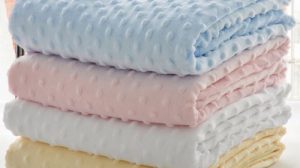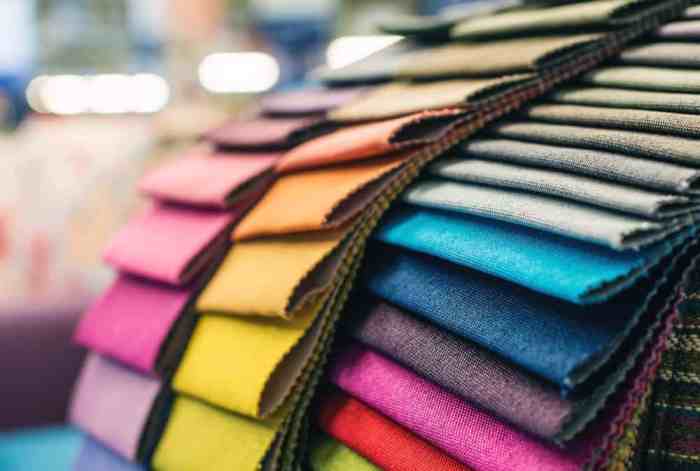
Choosing the right upholstery fabric is crucial for both the aesthetic appeal and longevity of your furniture. The vast array of options, from natural fibers like cotton and linen to durable synthetics such as polyester and microfiber, can be overwhelming. This guide navigates the complexities of fabric selection, providing insights into the properties, maintenance requirements, and suitability of various materials for different furniture pieces and styles.
Understanding these factors will empower you to make informed decisions, ensuring your furniture remains beautiful and functional for years to come.
We’ll explore the characteristics of each fabric type, highlighting their strengths and weaknesses, and offering practical advice to help you select the perfect fabric for your specific needs and preferences. Whether you prioritize durability, comfort, style, or ease of maintenance, this comprehensive overview will guide you through the process of choosing the ideal upholstery fabric for your home.
Leather and Faux Leather Upholstery
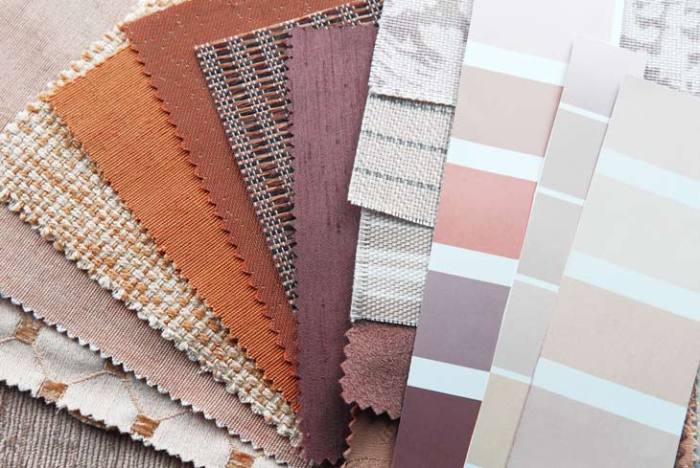
Leather and faux leather are popular upholstery choices, each offering distinct advantages and disadvantages concerning durability, cost, and environmental impact. Understanding these differences is crucial for making an informed decision that aligns with your needs and preferences. This section will delve into the specifics of each material, exploring various types of leather and their properties, as well as the environmental considerations involved in their production.
Genuine Leather vs. Faux Leather: A Comparison
Genuine leather and faux leather differ significantly in several key aspects. Genuine leather, derived from animal hides, boasts superior durability, breathability, and a luxurious feel. However, it comes with a higher price tag and requires more meticulous maintenance. Faux leather, a synthetic material designed to mimic the appearance of leather, offers a more budget-friendly option with lower maintenance needs.
Its durability, however, generally falls short of genuine leather, and it lacks the breathability and natural aesthetic appeal. The choice between them often hinges on a balance between budget, desired longevity, and aesthetic preferences.
Types of Leather Used in Upholstery
Several types of leather are commonly used in upholstery, each possessing unique characteristics influencing its suitability and cost. Full-grain leather retains the hide’s original grain, making it the most durable and expensive option. Top-grain leather, created by sanding the full-grain leather’s top layer to remove imperfections, is less durable but more affordable. Genuine leather, often a less expensive option than full-grain, may have undergone more processing and may be less durable.
The choice of leather type significantly impacts the upholstery’s longevity and overall quality.
Environmental Impact of Leather and Faux Leather
The environmental impact of both leather and faux leather is a significant consideration. Leather production involves raising and slaughtering animals, contributing to greenhouse gas emissions and land use issues. The tanning process also uses chemicals that can pollute waterways. Faux leather, while often perceived as a more environmentally friendly alternative, relies on petroleum-based materials and complex manufacturing processes, which also have environmental consequences.
The sustainability of both options depends heavily on the manufacturing processes and the sourcing of raw materials. Choosing responsibly sourced and produced materials is key to minimizing the environmental footprint.
Leather and Faux Leather Upholstery: Lifespan and Maintenance
| Feature | Genuine Leather (Full-Grain) | Genuine Leather (Top-Grain) | Faux Leather |
|---|---|---|---|
| Lifespan (Years) | 20+ (with proper care) | 10-15 (with proper care) | 5-10 (depending on quality and use) |
| Cleaning | Regular dusting; occasional leather cleaner | Regular dusting; occasional leather cleaner | Easy wipe-down with damp cloth; avoid harsh chemicals |
| Maintenance | Conditioning every few months | Conditioning every few months | Minimal; occasional spot cleaning |
| Repair | More easily repairable; professional services available | More easily repairable; professional services available | Difficult to repair; often requires replacement |
Fabric Choices for Specific Furniture Types
The selection of upholstery fabric significantly impacts the aesthetic appeal, comfort, and longevity of your furniture. Different fabrics possess unique properties, making certain choices more suitable for specific pieces than others. Consider factors like durability, ease of maintenance, and the overall style of your room when making your decision.
Fabric Choices for Sofas and Armchairs
The fabric you choose for your sofa or armchair will greatly influence the room’s overall atmosphere. A plush velvet creates a luxurious and opulent feel, while a durable linen offers a more relaxed, casual vibe. For high-traffic areas, a stain-resistant microfiber is a practical choice, offering both comfort and ease of cleaning. Conversely, a delicate silk would be better suited to a less-used armchair in a formal setting.
The color and pattern of the fabric will also play a key role in setting the mood, with bold colors and patterns adding a pop of personality, while neutral tones create a more serene environment.
Suitable Fabrics for Dining Chairs
Dining chairs require fabrics that are durable enough to withstand daily wear and tear, yet easy to clean. Leather is a classic choice, offering exceptional durability and a sophisticated look. However, it can be less comfortable in warmer climates. Alternatively, durable fabrics like polyester blends or solution-dyed acrylics are excellent options. These synthetic fabrics often resist stains and are easy to wipe clean, making them ideal for families with children or pets.
Consider the formality of your dining room when selecting a fabric; a linen blend might suit a more casual setting, while a more formal space might benefit from a velvet or a high-quality polyester.
Fabric Choices for Outdoor Furniture
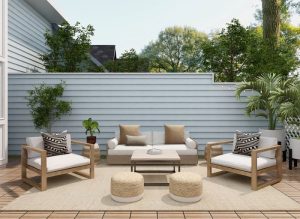
Outdoor furniture faces harsh weather conditions, necessitating fabrics with exceptional weather resistance and UV protection. Solution-dyed acrylics are a popular choice, as the color is integrated into the fibers, making it highly resistant to fading from sunlight. Olefin is another durable option known for its water-repellent properties and resistance to mildew. These fabrics are designed to withstand rain, sun, and other elements, ensuring your outdoor furniture remains in good condition for years.
Avoid natural fibers like cotton or linen for outdoor use, as they are prone to damage from moisture and UV rays.
Appropriate Fabrics for Various Furniture Styles
The style of your furniture should heavily influence your fabric selection. Choosing a fabric that complements the style will enhance the overall aesthetic.
- Modern: Clean lines and minimalist aesthetics are hallmarks of modern furniture. Consider sleek fabrics like microfiber, linen, or leather in neutral tones or bold, solid colors.
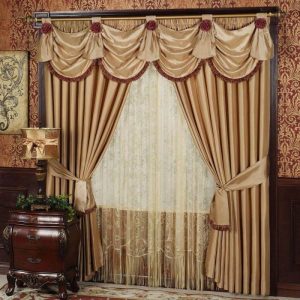
- Traditional: Traditional furniture styles often feature ornate details and rich textures. Velvet, damask, or brocade fabrics in deep jewel tones or classic patterns are ideal choices.
- Rustic: Rustic furniture styles emphasize natural materials and a worn, comfortable look. Linen, cotton, or burlap fabrics in natural colors or subtle patterns would complement this style.
Fabric Weight and Durability
Choosing upholstery fabric involves considering not only aesthetics but also its ability to withstand daily wear and tear. Fabric weight is a crucial factor directly impacting the longevity and overall performance of upholstered furniture. Heavier fabrics generally offer superior durability, while lighter fabrics may be more susceptible to damage. Understanding the relationship between weight and durability is key to making informed decisions.Fabric weight, typically measured in ounces per square yard (oz/sq yd) or grams per square meter (gsm), directly correlates with the fabric’s density and thickness.
A higher weight generally indicates a tighter weave, thicker fibers, or a combination of both, resulting in a more robust and durable fabric. This denser structure better resists abrasion, tearing, and general wear and tear. Conversely, lighter fabrics, while often more affordable and softer to the touch, tend to show wear more quickly. The weight, therefore, serves as a practical indicator of the fabric’s potential lifespan.
Fabric Weight Measurement and Significance
Fabric weight is measured using standardized methods, typically involving weighing a precise area of the fabric to determine its weight per unit area. The measurements (oz/sq yd or gsm) provide a quantitative assessment of the fabric’s density. This information is critical for determining the suitability of a fabric for various applications. For example, a heavy-weight fabric (e.g., 12 oz/sq yd or higher) is ideal for high-traffic areas like sofas and armchairs, while lighter fabrics (e.g., 6-8 oz/sq yd) might be more appropriate for accent chairs or throw pillows.
The weight specification is often included on fabric swatches or in product descriptions. Understanding this value allows for better prediction of the fabric’s durability.
Durability and Abrasion Resistance Testing
Several standardized tests assess the durability and abrasion resistance of upholstery fabrics. The Wyzenbeek test, for example, uses an oscillating arm with an abrasive material to simulate the rubbing and wear that upholstery fabric endures. The result is expressed in double rubs, indicating the number of cycles the fabric withstands before showing significant wear. Higher double rub counts signify greater abrasion resistance.
Another common test, the Martindale test, uses a similar principle but with a different abrasion mechanism. These tests provide objective data to help manufacturers and consumers gauge the fabric’s ability to withstand prolonged use. Manufacturers often provide the results of these tests for their fabrics, allowing for a more informed purchasing decision.
Typical Weight Ranges for Upholstery Fabrics
The following table shows typical weight ranges for various upholstery fabrics and their suitability for different furniture types. Note that these are general guidelines, and individual fabric performance can vary based on fiber type, weave structure, and finishing treatments.
| Fabric Type | Weight Range (oz/sq yd) | Weight Range (gsm) | Suitable Furniture |
|---|---|---|---|
| Heavy-duty canvas | 15-20+ | 500-700+ | Sofas, armchairs in high-traffic areas |
| Velvet | 10-15 | 340-500 | Sofas, accent chairs, draperies |
| Polyester blends | 8-12 | 270-400 | Sofas, armchairs, ottomans |
| Lightweight linen | 6-8 | 200-270 | Accent chairs, throw pillows |
Color and Stain Resistance in Upholstery Fabrics
Choosing upholstery fabric involves much more than just aesthetics; the color’s durability and the fabric’s resistance to stains significantly impact the longevity and overall appeal of your furniture. Understanding colorfastness and employing appropriate stain prevention methods are crucial for making a wise and long-lasting investment.Colorfastness refers to a fabric’s ability to retain its original color despite exposure to light, washing, or cleaning agents.
A lack of colorfastness can lead to fading, discoloration, and an overall diminished appearance over time, especially in areas frequently exposed to sunlight. Similarly, the fabric’s resistance to stains determines how easily spills and other blemishes can be removed, impacting the ongoing maintenance and the lifespan of your upholstered pieces.
Methods for Treating and Preventing Stains on Upholstery Fabrics
Different upholstery fabrics require different cleaning approaches. Natural fibers like cotton and linen are often more absorbent and may require prompt attention to spills. Synthetic fabrics, such as polyester or microfiber, tend to be more stain-resistant due to their tightly woven structures and sometimes incorporated stain-resistant finishes. Regular vacuuming is essential for all upholstery types to remove loose dirt and prevent embedded stains.
For spot cleaning, always test any cleaning solution on an inconspicuous area first. A mild detergent solution and a soft cloth are often sufficient for many fabrics. For tougher stains, consider using a specialized upholstery cleaner appropriate for the fabric type. Always follow the manufacturer’s cleaning instructions carefully.
The Role of Fabric Treatments in Enhancing Upholstery Longevity
Many upholstery fabrics are treated with stain-resistant coatings to enhance their durability and ease of cleaning. These coatings create a barrier that prevents liquids from penetrating the fabric fibers, making spills easier to wipe away. While these treatments don’t make fabrics completely stain-proof, they significantly improve their resistance to staining and increase their lifespan. The effectiveness of these coatings can vary depending on the type of treatment and the quality of the fabric.
Some high-end fabrics may incorporate advanced technologies that offer superior stain resistance and water repellency. Regular professional cleaning can also help maintain the effectiveness of these treatments.
Tips for Choosing Upholstery Fabric Colors that are Both Aesthetically Pleasing and Practical
Choosing upholstery fabric colors requires careful consideration of both aesthetic preferences and practical concerns. The following tips can help you make an informed decision:
- Consider the overall room decor and lighting. Darker colors can hide stains more effectively but may make a room feel smaller. Lighter colors can brighten a space but may show stains more readily.
- Think about your lifestyle and the level of traffic the furniture will receive. High-traffic areas may benefit from darker or more stain-resistant fabrics.
- Choose colors that complement your existing furniture and décor. Consider creating a mood board to visualize different color combinations.
- Opt for fabrics with inherent stain resistance or consider applying a protective coating. This will enhance the fabric’s longevity and reduce the need for frequent cleaning.
- Remember that colors can fade over time due to sun exposure. Choose colors that are less likely to show fading or consider using UV-blocking curtains or blinds to minimize exposure.
Ultimately, selecting upholstery fabric involves a careful consideration of several factors: durability, aesthetics, maintenance, and budget. By understanding the unique properties of natural and synthetic fibers, leather, and faux leather, you can make an informed decision that aligns with your lifestyle and design preferences. Remember to consider the intended use of the furniture, the level of traffic it will endure, and the overall aesthetic you wish to achieve.
With careful planning and consideration of the information presented, you can confidently choose upholstery fabrics that will enhance the beauty and functionality of your home for years to come.
FAQ Summary
What is the difference between full-grain and top-grain leather?
Full-grain leather retains the natural grain and is the most durable, while top-grain leather has the top layer smoothed, making it less durable but more affordable.
How often should I clean my upholstery?
Regular vacuuming is essential. Spot clean spills immediately. Professional cleaning is recommended annually or as needed depending on fabric and usage.
Are there fabrics suitable for pets?
Microfiber and certain durable synthetic fabrics are relatively resistant to pet hair and stains. However, regular cleaning is still crucial.
What is the best fabric for high-traffic areas?
Durable synthetics like nylon or polyester blends are ideal for high-traffic areas due to their stain resistance and durability.