Selecting the right bedding fabrics significantly impacts sleep quality and overall comfort. From the crisp coolness of linen to the luxurious softness of Egyptian cotton, the choices are vast and varied. Understanding the properties of natural and synthetic fibers, along with their suitability for different climates and budgets, is key to making an informed decision that enhances your sleep sanctuary.
This exploration delves into the diverse world of bedding fabrics, examining the characteristics of popular materials like cotton, linen, silk, polyester, and microfiber. We’ll explore their pros and cons, care requirements, and how they perform in different seasons. We also consider sustainability and budget-conscious options to help you create a comfortable and stylish bedroom environment.
Introduction to Fabric Choices for Bedding and Linens
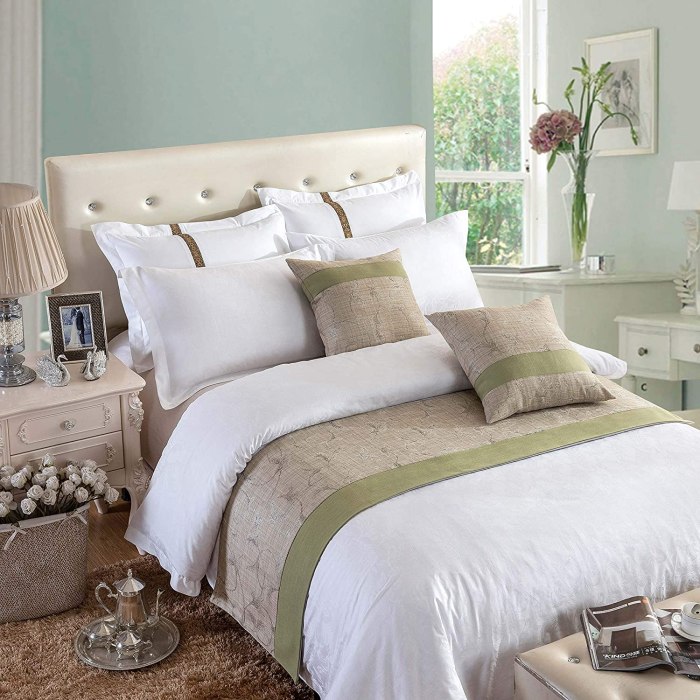
Selecting the right bedding and linens significantly impacts sleep quality and overall comfort. The market offers a wide array of fabrics, each with unique properties affecting texture, durability, breathability, and cost. Understanding these differences is crucial for making an informed decision that aligns with individual preferences and needs. This overview explores popular fabric choices and the factors influencing consumer decisions.The diverse world of bedding fabrics encompasses natural fibers like cotton, linen, silk, and wool, as well as synthetic options such as polyester, microfiber, and blends.
Each material boasts distinct characteristics influencing its suitability for different climates, sleeping styles, and budgets. Popular choices include cotton for its softness and breathability, linen for its durability and coolness, and silk for its luxurious feel and temperature regulation. Microfiber, a synthetic option, offers affordability and wrinkle resistance.
Popular Fabric Choices and Their Uses
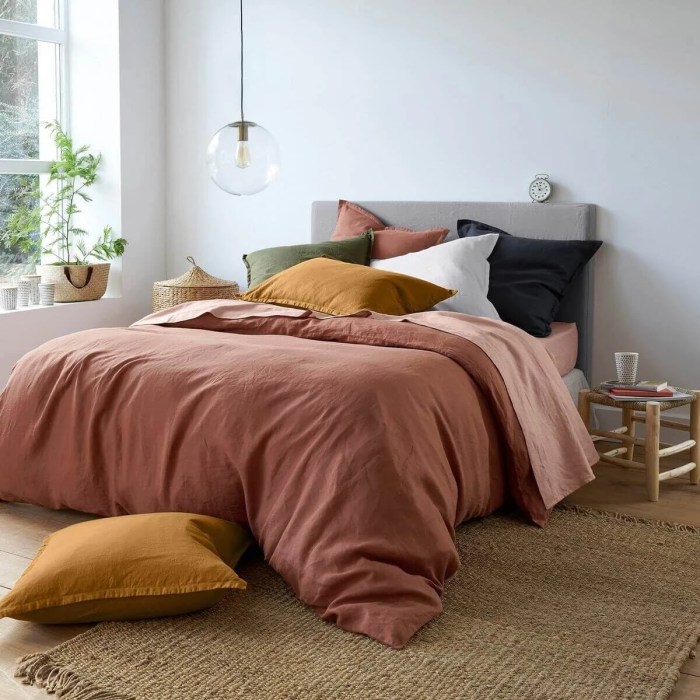
Cotton remains a dominant choice for bedding due to its softness, breathability, and absorbency. It’s readily available in various weaves, from lightweight percale to heavier sateen, offering diverse levels of comfort and durability. Linen, a natural fiber known for its strength and breathability, is prized for its luxurious texture and ability to regulate temperature. It wrinkles easily, which some consider a desirable characteristic adding to its rustic charm.
Silk, a luxurious option, is exceptionally soft and temperature-regulating, making it ideal for warmer climates. However, it requires more delicate care than other fabrics. Polyester and microfiber are synthetic alternatives offering affordability and wrinkle resistance, though they may not offer the same breathability as natural fibers. Blends, combining natural and synthetic fibers, attempt to leverage the best qualities of each, often improving durability and reducing cost.
Key Factors Influencing Fabric Selection
Consumers typically prioritize several key factors when choosing bedding fabrics. Budget is a primary concern, with synthetic options generally more affordable than natural fibers. Comfort and feel are paramount, with softness, texture, and drape influencing the overall sleep experience. Breathability is crucial for temperature regulation, particularly in warmer climates, where breathable fabrics like cotton and linen are preferred.
Durability and longevity are important considerations, as high-quality bedding should withstand frequent washing and use. Maintenance requirements, including washing instructions and ironing needs, also play a significant role. Finally, the aesthetic appeal, encompassing color, pattern, and overall style, contributes to the overall satisfaction with the bedding. For example, a consumer might choose Egyptian cotton for its superior softness and durability, even at a higher price point, while another might opt for a microfiber blend for its easy care and affordability.
Natural Fiber Options
Natural fibers offer a range of benefits for bedding and linens, prized for their breathability, softness, and often, sustainable production methods. These fibers provide a luxurious and comfortable sleep experience, appealing to those seeking both comfort and environmentally conscious choices. Let’s explore some of the most popular options.
Cotton Types: Egyptian and Pima
Cotton remains a highly popular choice for bedding due to its softness, absorbency, and relatively low cost. However, not all cotton is created equal. Egyptian and Pima cotton are considered premium varieties, boasting superior qualities compared to standard cotton. The differences lie primarily in fiber length and cultivation methods.
| Characteristic | Egyptian Cotton | Pima Cotton | Standard Cotton |
|---|---|---|---|
| Fiber Length (inches) | 1.25 – 1.5 | 1.25 – 1.35 | < 1 inch |
| Strength | High | High | Medium |
| Softness | Exceptional | Excellent | Good |
| Durability | Excellent | Excellent | Good |
| Lustre | High | Medium | Low |
Linen Characteristics
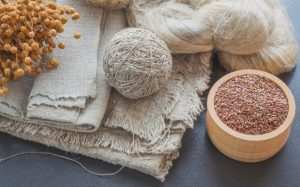
Linen, derived from the flax plant, is renowned for its exceptional durability and breathability. Its strong fibers create a fabric that is resistant to wear and tear, making linen bedding a long-lasting investment. The open weave structure allows for excellent airflow, keeping you cool and comfortable throughout the night. Linen’s natural ability to absorb moisture also contributes to its temperature-regulating properties.
Cotton vs. Linen: A Comparison
Cotton and linen, while both natural fibers, offer distinct characteristics. Cotton generally feels softer to the touch and drapes more readily, creating a smoother, more fluid appearance. Linen, on the other hand, possesses a slightly coarser texture and a stiffer drape, contributing to its characteristically crisp and slightly rumpled look. In terms of care, cotton is generally easier to care for, requiring less ironing, while linen often benefits from a gentle steam pressing to maintain its crispness.
Silk Bedding
Silk bedding offers an unparalleled experience in luxury and comfort. The smooth, lustrous surface of silk feels incredibly soft against the skin, providing a cool and gentle touch. Its subtle sheen adds an element of elegance to any bedroom, creating a sophisticated and calming ambiance. The natural hypoallergenic properties of silk make it a suitable choice for individuals with sensitive skin.
Synthetic Fiber Options
Synthetic fibers offer a compelling alternative to natural materials in bedding and linens, providing distinct advantages and disadvantages depending on the specific fiber and its application. These materials often boast enhanced durability, wrinkle resistance, and affordability compared to their natural counterparts. However, they may lack the breathability and luxurious feel of natural fibers. Let’s explore some popular synthetic options in detail.
Polyester Bedding Properties
Polyester is a widely used synthetic fiber in bedding due to its affordability and durability. Its strength and resilience contribute to longer-lasting sheets and other bedding items. However, polyester is not as breathable as natural fibers, which can lead to discomfort in warmer climates or for individuals who tend to sleep hot. The lack of breathability can also contribute to the build-up of moisture, potentially leading to a less comfortable sleeping experience.
Furthermore, while polyester is generally wrinkle-resistant, it can sometimes feel less soft and luxurious than natural fibers like cotton or linen.
Microfiber Properties: Softness and Moisture-Wicking
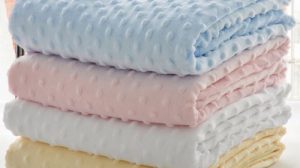
Microfiber is a synthetic fiber known for its incredibly fine, thin filaments. These fine filaments create a fabric that is exceptionally soft against the skin, often surpassing the softness of many natural fibers. Additionally, the unique structure of microfiber allows for excellent moisture-wicking capabilities. This means it effectively draws moisture away from the body, keeping the sleeper dry and comfortable, a significant advantage for those who tend to perspire during the night.
This moisture-wicking property also helps to prevent the growth of bacteria and mildew.
Polyester versus Microfiber: Durability and Wrinkle Resistance
The following comparison highlights the key differences between polyester and microfiber regarding durability and wrinkle resistance:
- Durability: Both polyester and microfiber are relatively durable. Polyester tends to be slightly more resistant to tearing and abrasion, while microfiber may show signs of wear more quickly if not cared for properly.
- Wrinkle Resistance: Both fabrics are highly wrinkle-resistant. Polyester generally requires less ironing than microfiber, though both often require minimal care in this regard.
Cotton-Polyester Blends and Their Properties
Many bedding manufacturers utilize blends of natural and synthetic fibers to combine the best qualities of each. Cotton-polyester blends are a common example. These blends often leverage the softness and breathability of cotton with the durability and wrinkle resistance of polyester. The percentage of each fiber in the blend will determine the final properties of the fabric; a higher cotton percentage will result in a softer, more breathable fabric, while a higher polyester percentage will lead to a more durable and wrinkle-resistant fabric.
These blends represent a practical compromise for consumers seeking a balance between comfort, durability, and affordability.
Budget and Sustainability Considerations
Choosing bedding and linens involves navigating a spectrum of prices and sustainability concerns. The initial cost can vary dramatically depending on the fabric type, thread count, and brand, influencing long-term budget management. Simultaneously, the environmental impact of production and disposal must be considered, aligning personal values with responsible consumption.The price range for bedding and linens is extensive. Budget-friendly options, often made from synthetic materials like polyester, can be significantly cheaper than high-end natural fiber choices such as Egyptian cotton or linen.
However, the durability and longevity of these less expensive options may be compromised. Higher thread counts, indicating finer yarns and denser weaving, generally translate to higher prices, but also increased softness and durability. Organic and sustainably sourced materials typically command a premium, reflecting the higher costs of ethical and environmentally responsible production practices. For example, a basic polyester duvet cover might cost $20-$40, while a high-quality Egyptian cotton duvet cover could range from $100-$300 or more.
Sustainable and Eco-Friendly Fabric Options
Several fabric choices offer a more sustainable alternative to conventional bedding. Organic cotton is grown without harmful pesticides and fertilizers, minimizing its environmental impact. Linen, derived from the flax plant, is a naturally strong and durable fiber requiring less water and pesticides than cotton. Bamboo, a rapidly renewable resource, produces a soft and breathable fabric, although processing methods can sometimes negate its sustainability benefits if not carefully managed.
Tencel (Lyocell), a cellulose fiber made from sustainably harvested wood pulp, is known for its softness, breathability, and biodegradable properties. Choosing recycled materials, such as recycled polyester, can also significantly reduce the environmental footprint of bedding production. Consider looking for certifications such as GOTS (Global Organic Textile Standard) or OEKO-TEX Standard 100, which verify the environmental and social responsibility of the manufacturing process.
Tips for Budget-Friendly Yet Durable Bedding
Choosing budget-friendly bedding doesn’t necessitate sacrificing quality or durability. Careful consideration can yield long-lasting, affordable options.
- Prioritize natural fibers like cotton, but consider blends that incorporate a percentage of polyester to enhance durability and reduce cost.
- Opt for lower thread counts (around 200-300) for everyday use; higher thread counts are more suitable for luxury bedding.
- Purchase bedding during sales and clearance events to find significant discounts.
- Consider buying bedding sets, as they often offer better value than purchasing individual pieces.
- Invest in quality care; proper washing and drying will extend the lifespan of your bedding.
Ultimately, the perfect bedding fabric depends on individual preferences, climate, and budget. By weighing the benefits and drawbacks of various natural and synthetic options, and considering factors like breathability, durability, and maintenance, you can confidently choose fabrics that promote restful sleep and enhance the overall aesthetic of your bedroom. Investing in high-quality bedding is an investment in your well-being, ensuring years of comfortable and rejuvenating sleep.
Expert Answers
What is the difference between percale and sateen?
Percale is a crisp, matte weave known for its breathability, while sateen is a smoother, more lustrous weave that feels luxurious against the skin.
How often should I wash my bedding?
Ideally, wash your sheets once a week, and pillowcases every few days, to maintain hygiene and freshness. Blankets and comforters should be washed less frequently, depending on usage.
Can I tumble dry all bedding fabrics?
No, some fabrics, like linen, may shrink or wrinkle if tumble dried. Always check the care label for specific instructions.
What are some sustainable bedding options?
Look for organically grown cotton, linen made from sustainable sources, or recycled materials. Consider the overall environmental impact of the production process when making your choice.