Choosing the perfect fabric for your wedding dress is a crucial decision, impacting not only the aesthetic but also the comfort and longevity of this cherished garment. From the timeless elegance of silk to the delicate allure of lace, the vast array of options can feel overwhelming. This guide navigates the intricacies of fabric selection, considering factors like season, venue, body type, and personal style to help you make an informed choice that reflects your unique vision.
We’ll explore the properties of popular fabrics, comparing their breathability, durability, and cost, while also delving into the historical significance and cultural associations of some classic choices. We’ll offer practical advice on fabric care and maintenance, ensuring your dress remains a beautiful keepsake for years to come. Ultimately, our goal is to empower you to select a fabric that not only looks stunning but also feels comfortable and reflects your individual personality.
Popular Wedding Dress Fabrics
Choosing the perfect fabric for a wedding dress is a crucial decision, impacting both the aesthetic and the overall comfort of the bride on her special day. The right fabric will complement the dress design, the season, and the bride’s personal style. The selection encompasses a wide range of textures, drapes, and weights, each with its unique characteristics.
The choice of fabric significantly influences the final look and feel of the wedding gown. Consider factors like the season, venue, and desired silhouette when making your selection. Heavier fabrics are more suitable for cooler months, while lighter fabrics are ideal for warmer climates. The drape of the fabric will determine how the gown flows and falls, creating a specific silhouette.
This guide explores some of the most popular fabrics used in wedding dresses, providing insights into their properties and suitability.
Popular Wedding Dress Fabrics: Properties and Suitability
| Fabric Name | Texture Description | Drape Characteristics | Suitability for Different Seasons |
|---|---|---|---|
| Silk | Smooth, luxurious, and lustrous | Flows beautifully, drapes elegantly | Suitable for spring, summer, and fall (depending on weight) |
| Lace | Delicate, intricate, and often embellished | Can be stiff or soft depending on the type and construction | Suitable for all seasons (depending on lining and weight) |
| Tulle | Net-like, sheer, and lightweight | Flows dramatically, creates volume | Suitable for spring, summer, and fall (often used as an overlay) |
| Satin | Smooth, shiny, and luxurious | Drapes smoothly, creates a sleek silhouette | Suitable for spring, summer, and fall (depending on weight) |
| Organza | Sheer, crisp, and slightly stiff | Holds its shape well, creates volume | Suitable for spring, summer, and fall (often used as an overlay) |
| Chiffon | Lightweight, sheer, and flowing | Drapes softly, creates a romantic look | Suitable for spring and summer |
| Crepe | Slightly textured, matte, and drapes well | Drapes softly with a slight wrinkle | Suitable for all seasons |
| Taffeta | Crisp, smooth, and lustrous with a slight sheen | Holds its shape well, creates a structured silhouette | Suitable for all seasons |
| Charmeuse | Smooth, lustrous, and has a subtle sheen | Drapes beautifully, creates a sleek and elegant silhouette | Suitable for spring, summer, and fall |
| Mikado | Heavy, crisp, and has a slight sheen | Holds its shape well, creates a structured silhouette | Suitable for all seasons, especially fall and winter |
Historical Significance and Cultural Associations of Wedding Dress Fabrics
Certain fabrics have long held symbolic meaning in wedding traditions across various cultures. Understanding this history adds depth to the choice of fabric for a wedding gown.
Silk, historically a luxurious and expensive fabric, has long been associated with wealth and status. In many cultures, silk signifies prosperity and good fortune for the couple embarking on their married life. Its smooth texture and elegant drape have made it a popular choice for wedding gowns for centuries, symbolizing refinement and elegance.
Lace, with its intricate patterns and delicate texture, often represents purity, innocence, and craftsmanship. The intricate detailing can be seen as a symbol of the commitment and artistry involved in building a lasting marriage. Historically, lace was often a significant investment, adding to its symbolic value as a sign of affluence and devotion.
Tulle, with its airy and ethereal quality, evokes a sense of romance and lightness. Its delicate nature can be interpreted as a symbol of the ephemeral beauty of love and the lightness of heart that often accompanies a wedding celebration. While not as historically significant as silk or lace, tulle’s association with romanticism has made it a beloved fabric in modern wedding dress design.
Examples of Wedding Dress Designs Showcasing Unique Fabric Properties
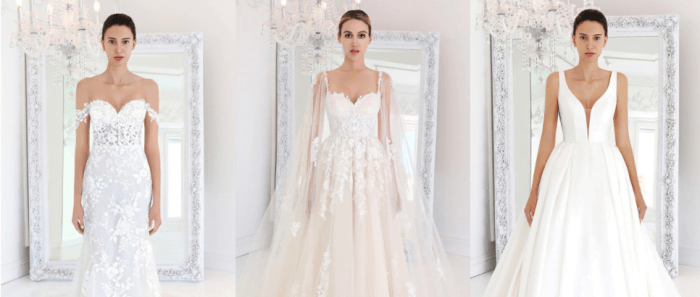
The unique properties of silk, lace, and tulle lend themselves to various wedding dress styles, highlighting their individual characteristics.
A classic A-line silhouette crafted from silk charmeuse would showcase the fabric’s luxurious drape and subtle sheen, creating a sleek and elegant look. The fluidity of the silk would move gracefully with the bride’s movements. Imagine a gown with a simple, elegant bodice and a flowing skirt, highlighting the fabric’s inherent beauty.
A fitted mermaid gown incorporating intricate lace appliqués would highlight the delicate texture and ornate detailing of the lace. The lace could be strategically placed to accentuate the bride’s figure, while the structured silhouette provides a sophisticated look. The dress might feature a lace bodice with a fitted skirt that flares out dramatically at the knees.
A ballgown with a voluminous tulle skirt would showcase the fabric’s ability to create dramatic volume and movement. The airy nature of the tulle would give the gown a light and ethereal quality, perfect for a romantic and whimsical wedding. This style could incorporate a fitted bodice and a full, cascading skirt, creating a fairytale-like effect.
Sustainable and Ethical Fabric Choices
Choosing sustainable and ethical fabrics for your wedding dress is a significant step towards a more environmentally conscious and socially responsible celebration. The fashion industry, including bridal wear, has a considerable environmental footprint, and making informed choices about materials can lessen this impact. This section will explore the environmental consequences of various fabric production methods and highlight eco-friendly alternatives.The production of many conventional wedding dress fabrics involves intensive resource consumption and generates significant pollution.
For example, the cultivation of cotton, a common fabric in bridal wear, often requires large quantities of water, pesticides, and fertilizers, contributing to water pollution and harming biodiversity. Synthetic fabrics, such as polyester, are derived from petroleum, a non-renewable resource, and their production releases greenhouse gases. Furthermore, the dyeing and finishing processes for many fabrics utilize chemicals that can contaminate water sources and harm human health.
The disposal of these fabrics at the end of their life cycle also presents environmental challenges.
Environmental Impact of Fabric Production Methods
The environmental impact of fabric production varies significantly depending on the material and its manufacturing process. Organic cotton, for instance, while still requiring water, uses significantly fewer pesticides and fertilizers compared to conventionally grown cotton, reducing its environmental impact. However, even organic cotton farming has water usage considerations. On the other hand, the production of synthetic fabrics like polyester and nylon has a much higher carbon footprint due to their reliance on fossil fuels.
The manufacturing process often involves the release of harmful chemicals into the atmosphere and water systems. Furthermore, these synthetic materials are not biodegradable, contributing to landfill waste. Linen, a natural fiber, has a relatively lower environmental impact than cotton or synthetics, particularly when produced using sustainable farming practices. Silk, while a natural material, can have some ethical concerns depending on the farming practices involved, such as the treatment of silkworms.
Choosing a fabric with a lower environmental impact requires careful consideration of the entire production chain, from the raw material to the finished garment.
Examples of Sustainable and Ethically Sourced Fabrics
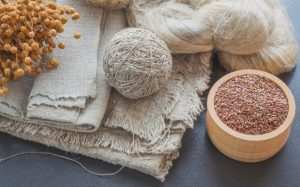
Several sustainable and ethically sourced fabrics are gaining popularity in the wedding dress industry. Organic cotton, grown without harmful pesticides and fertilizers, is a readily available and relatively affordable option. Hemp, a fast-growing plant requiring minimal water and pesticides, offers a durable and sustainable alternative. Tencel (Lyocell), made from sustainably harvested wood pulp using a closed-loop process that minimizes water and chemical use, represents a highly eco-friendly choice.
Recycled fabrics, made from pre-consumer or post-consumer textile waste, provide another avenue for reducing textile waste and resource consumption. These recycled fabrics can include recycled polyester, nylon, or even recycled silk. Finally, peace silk, produced without harming silkworms, offers a cruelty-free and sustainable alternative to conventional silk.
Benefits of Choosing Eco-Friendly Fabrics
Choosing eco-friendly fabrics for a wedding dress offers several benefits beyond the environmental impact. It aligns with a growing consumer preference for ethical and sustainable products, reflecting a commitment to social and environmental responsibility. Many brides find satisfaction in knowing their wedding dress contributes to a more sustainable future. Furthermore, some eco-friendly fabrics, such as organic cotton and linen, offer unique textures and natural beauty, adding to the overall aesthetic appeal of the dress.
By choosing sustainable fabrics, couples can make a statement about their values and inspire others to consider the environmental and social impact of their purchasing decisions. This contributes to a larger movement towards a more sustainable fashion industry.
Fabric Choices and Design Aesthetics
The choice of fabric significantly impacts the final aesthetic of a wedding gown, dictating not only its silhouette but also the overall impression it conveys. Understanding how different fabrics drape, flow, and interact with embellishments is crucial for achieving the desired design. This section explores the relationship between fabric selection and the resulting visual impact on the wedding dress.Fabric choice profoundly influences the silhouette and drape of a wedding dress.
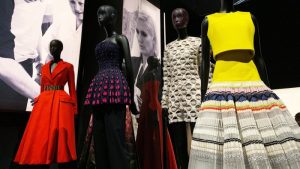
Heavier fabrics like satin or brocade create a structured, more formal look, often resulting in a full, A-line or ballgown silhouette. These fabrics hold their shape well and lend themselves to dramatic, voluminous designs. In contrast, lighter fabrics such as chiffon or silk organza create a softer, more ethereal silhouette, often flowing gracefully and clinging to the body.
These fabrics are ideal for creating romantic, bohemian, or minimalist styles. The weight and texture of the fabric directly determine how the gown falls and moves, contributing significantly to its overall aesthetic.
Fabric Texture and Visual Interest
Fabric texture plays a vital role in adding visual interest and enhancing design details. A textured fabric, such as lace or embroidered tulle, can add depth and complexity to a simple silhouette, creating a visually richer experience. The interplay of light and shadow on a textured surface adds dimension and allows for intricate details to stand out. Conversely, a smooth fabric like silk charmeuse provides a sleek, elegant look, highlighting the clean lines of the design.
The contrast between textures can also be used to create visual interest; for instance, pairing a textured lace bodice with a smooth satin skirt creates a sophisticated juxtaposition.
Embroidered Lace Wedding Dress Design
Imagine a wedding dress crafted from delicate Chantilly lace, its ivory hue subtly warmed by a blush undertone. The lace itself is a masterpiece of intricate floral patterns, featuring delicate blossoms and trailing vines meticulously stitched together. Upon this exquisite base, intricate embroidery in shimmering silver thread further enhances the design. The embroidery follows the lace’s pattern, adding a subtle shimmer and highlighting the delicate curves of the floral motifs.
The texture is a captivating interplay of the lace’s soft, slightly raised surface and the smooth, gleaming threads of the embroidery. The overall effect is one of ethereal beauty, the dress radiating a delicate elegance and romantic charm. The light catches the embroidery, creating a subtle sparkle that enhances the dress’s luxurious feel. The interplay of textures and the shimmering embroidery elevate the design beyond a simple lace gown, creating a truly unique and memorable piece.
Selecting the ideal fabric for your wedding dress is a journey of discovery, blending personal style with practical considerations. By understanding the unique properties of different fabrics and their suitability for various seasons, venues, and body types, you can confidently choose a material that enhances your silhouette, complements your style, and creates a timeless look. Remember, the perfect fabric will not only make your dress stunning but will also ensure your comfort and confidence on your special day.
Embrace the process, explore the options, and let your vision guide you to the perfect fabric choice.
FAQ Insights
What is the best fabric for a summer outdoor wedding?
Lightweight and breathable fabrics like cotton, linen, or silk crepe are ideal for summer outdoor weddings. They offer comfort and allow for air circulation.
How do I care for a lace wedding dress?
Lace requires gentle hand-washing or professional dry cleaning. Avoid harsh detergents and abrasive scrubbing. Store it flat to prevent stretching.
Can I alter a wedding dress made from a certain fabric?
Most fabrics can be altered, but some (like delicate lace) are more challenging. Consult a professional seamstress to assess the feasibility and cost.
What’s the difference between satin and crepe?
Satin has a smooth, lustrous surface and a luxurious drape, while crepe is a more textured fabric with a matte finish and less sheen. Satin is more prone to wrinkles.