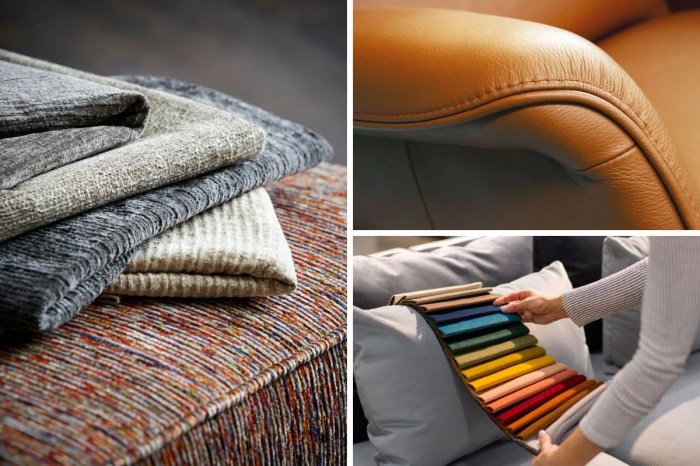
Choosing the right upholstery fabric is crucial for both the aesthetic appeal and longevity of your furniture. Factors such as durability, stain resistance, comfort, and cost all play significant roles in this decision. This guide explores the diverse world of upholstery fabrics, helping you navigate the options and select the perfect material for your needs and style.
From the robust strength of polyester to the luxurious softness of velvet, each fabric offers a unique blend of properties. Understanding these characteristics – including weave structure, weight, and inherent stain resistance – allows for informed choices that ensure both beauty and practicality. We’ll delve into the pros and cons of various materials, considering their suitability for different furniture styles and usage environments.
Stain Resistance and Cleanability
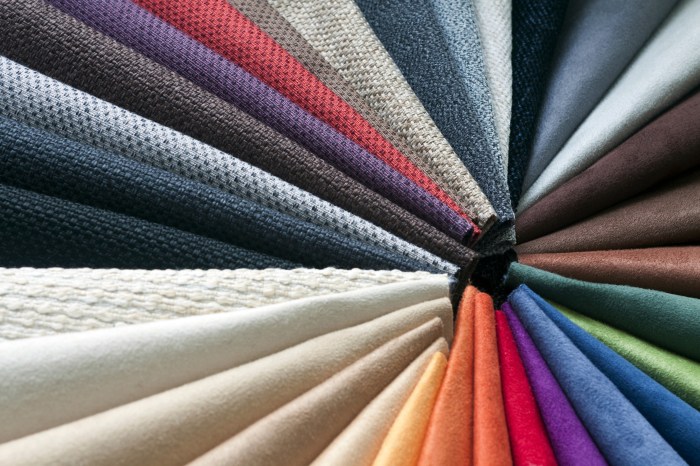
Choosing upholstery fabric involves careful consideration of its resistance to stains and how easily it can be cleaned. The longevity and appearance of your furniture depend heavily on these factors. Understanding the cleaning methods for different fabrics and the inherent stain-resistance properties of certain materials is crucial for making an informed decision.
Effective Cleaning Methods for Various Upholstery Fabrics
The cleaning method for upholstery fabric varies significantly depending on the material. Improper cleaning can damage the fabric, so it’s essential to use the correct technique and cleaning agents.
- Leather: Leather is relatively easy to clean. Wipe spills immediately with a soft, damp cloth. For more stubborn stains, use a mild leather cleaner specifically designed for upholstery. Avoid harsh chemicals and excessive moisture. Regular cleaning with a leather conditioner will help maintain its suppleness and prevent cracking.
- Velvet: Velvet requires gentle cleaning. Use a soft brush or vacuum cleaner attachment to remove loose dirt and debris. For stains, blot (don’t rub!) with a clean, damp cloth and a mild detergent solution. Allow it to air dry completely, away from direct sunlight or heat.
- Chenille: Chenille is a durable fabric that is relatively easy to clean. Vacuum regularly to remove dust and dirt. For stains, blot with a damp cloth and mild detergent. Avoid harsh scrubbing, which can damage the fabric’s pile.
Fabrics with Inherent Stain Resistance Properties
Certain fabrics possess inherent stain-resistance properties due to their fiber structure or chemical composition. These properties make them naturally more resistant to absorbing spills and stains.
- Microfiber: Microfiber fabrics are known for their stain resistance due to their tightly woven structure. The small, fine fibers create a barrier that prevents liquids from penetrating deeply into the fabric. Spills often bead up on the surface, making them easy to wipe away.
- Polyester: Polyester is a synthetic fiber that is inherently resistant to water and many stains. Its smooth, non-porous surface makes it difficult for liquids to be absorbed. Many polyester upholstery fabrics also undergo additional treatments to enhance their stain resistance.
Comparison of Treated Versus Untreated Fabrics
Fabric treatments significantly enhance stain resistance. These treatments typically create a protective barrier on the fabric’s surface, preventing stains from penetrating.
- Teflon (PTFE): Teflon is a common fabric treatment that creates a non-stick surface. This treatment prevents liquids from being absorbed, making them easy to wipe away. While effective, Teflon treatments can wear off over time with repeated cleaning.
- Scotchgard: Scotchgard is another popular fabric protector that creates a barrier against stains and water. It works by repelling liquids and preventing them from penetrating the fabric fibers. Similar to Teflon, its effectiveness can diminish with time and frequent cleaning.
Fabric Choices for Different Furniture Styles
Choosing the right upholstery fabric significantly impacts a piece of furniture’s overall aesthetic and longevity. The style of the furniture itself should heavily influence the fabric selection, ensuring a cohesive and visually appealing result. Consider the furniture’s intended use, the room’s style, and the desired level of formality when making your choice.
Fabric Selection for Varying Furniture Styles
The following table illustrates suitable fabric choices for modern, traditional, and eclectic furniture styles. Fabric selection should consider durability, maintenance requirements, and the overall visual impact on the furniture piece.
| Fabric Type | Style Suitability | Reasons for Selection |
|---|---|---|
| Linen | Modern, Traditional (with certain patterns) | Linen offers a natural, slightly textured look that complements minimalist modern designs. In traditional settings, linen can work well with bolder patterns and colors. It is breathable and durable, although it can wrinkle easily. |
| Velvet | Traditional, Eclectic | Velvet’s luxurious texture and rich appearance lend themselves well to traditional styles, adding a touch of opulence. Its deep pile also works well in eclectic settings, providing a textural contrast against other fabrics. However, it requires more diligent cleaning. |
| Leather | Modern, Traditional, Eclectic | Leather’s versatility makes it suitable across various styles. Its durability and timeless appeal make it a popular choice for both modern and traditional pieces. The wide variety of colors and finishes available further enhance its adaptability to different aesthetics. |
| Microfiber | Modern, Eclectic | Microfiber is a practical and durable option, especially for high-traffic areas. Its stain resistance and easy cleanability make it a good choice for families. While it might not be the most visually exciting fabric, it’s a versatile option for both modern and eclectic styles when color and pattern choices are considered. |
| Chenille | Traditional, Eclectic | Chenille’s soft texture and plush feel add warmth and comfort, making it a good choice for traditional settings. Its versatility allows it to be incorporated into eclectic styles as well, especially with interesting color and pattern combinations. |
Impact of Color and Pattern on Furniture Style
Color and pattern choices play a crucial role in either enhancing or detracting from a furniture style. For example, a bold geometric pattern might clash with a delicate, ornate traditional piece, whereas a subtle floral print could complement it perfectly. Conversely, a simple solid color might be ideal for a modern piece, emphasizing its clean lines and minimalist aesthetic.
A vibrant, multicolored pattern could add a playful touch to an eclectic design.A mid-century modern sofa, upholstered in a muted teal velvet, exudes sophistication and timeless elegance. The deep color complements the clean lines of the sofa while the velvet adds a touch of luxury. In contrast, a traditional wingback chair covered in a floral chintz showcases classic charm and comfort.
The delicate pattern and soft colors enhance the chair’s ornate details. An eclectic armchair, upholstered in a vibrant patchwork of different fabrics and textures, embodies uniqueness and personality. The unexpected combination of patterns and colors reflects the eclectic style’s embrace of diverse elements.
Textural and Pattern Contributions to Furniture Aesthetics
Imagine a contemporary armchair upholstered in a coarsely woven linen. The visible texture of the linen adds a tactile dimension to the piece, complementing the chair’s simple, clean lines. The natural variations in the linen’s weave contribute to a sense of rustic elegance. Now, consider a Victorian-style chaise lounge upholstered in a plush velvet with an intricate damask pattern.
The deep pile of the velvet creates a luxurious, almost sensual texture, while the repeating damask pattern adds a layer of visual complexity that complements the chaise lounge’s ornate detailing. The contrast between the smooth, rich velvet and the sharp lines of the damask creates a visually engaging and sophisticated piece.
Cost and Maintenance of Upholstery Fabrics
Choosing upholstery fabric involves careful consideration of not only aesthetics but also the long-term financial implications. The initial purchase price is only one factor; ongoing maintenance and the fabric’s lifespan significantly impact the overall cost-effectiveness. Understanding these factors allows for informed decisions that balance style with practicality and budget.
Fabric Cost Comparison
The table below compares the initial cost and long-term maintenance expenses of various popular upholstery fabrics. Prices are approximate and can vary based on quality, brand, and retailer. Maintenance costs are estimates based on average cleaning frequency and potential repair needs.
| Fabric Type | Initial Cost (per yard) | Cleaning Costs (per year) | Lifespan (years) |
|---|---|---|---|
| Microfiber | $20 – $40 | $20 – $50 | 5-7 |
| Polyester | $15 – $30 | $20 – $40 | 3-5 |
| Cotton | $25 – $50 | $40 – $80 | 3-5 |
| Leather | $50 – $200+ | $50 – $150+ | 10-20+ |
| Velvet | $30 – $80+ | $40 – $100+ | 5-10 |
| Linen | $40 – $100+ | $60 – $120+ | 3-7 |
Fabric Maintenance Requirements
Understanding the specific care needs of each fabric is crucial for extending its lifespan and minimizing maintenance costs.
Below are detailed maintenance requirements for selected fabrics:
- Microfiber:
- Cleaning: Regularly vacuum and spot clean spills immediately with a damp cloth and mild detergent. Professional cleaning is recommended every 1-2 years.
- Stain Treatment: Blot stains immediately; avoid rubbing. Use a specialized microfiber cleaner for stubborn stains.
- Lifespan: Relatively durable, lasting 5-7 years with proper care.
- Leather:
- Cleaning: Dust regularly with a soft cloth. Condition leather periodically to maintain its suppleness and prevent cracking. Professional cleaning is recommended every 2-3 years.
- Stain Treatment: Blot spills immediately. Use a leather cleaner and conditioner specifically designed for the type of leather.
- Lifespan: Highly durable, lasting 10-20 years or more with proper care. Full-grain leather generally lasts longer than top-grain.
- Cotton:
- Cleaning: Vacuum regularly. Spot clean spills immediately. Professional cleaning is recommended annually or as needed.
- Stain Treatment: Blot stains; avoid rubbing. Test any cleaning solution in an inconspicuous area first. May require professional stain removal for stubborn marks.
- Lifespan: Moderate durability; lifespan can be shortened by frequent spills and improper cleaning.
Factors Influencing Upholstery Fabric Prices
Several factors contribute to the wide range of prices found in upholstery fabrics.
These include:
- Material Sourcing: High-quality materials, such as sustainably sourced leather or premium cotton, command higher prices than synthetic alternatives. The origin and processing of the raw materials also affect the final cost.
- Manufacturing Processes: Intricate weaving techniques, specialized dyeing processes, and hand-finishing can significantly increase the cost of production. For example, hand-woven fabrics are typically more expensive than machine-woven fabrics.
- Design Complexity: Unique patterns, intricate embroidery, or the incorporation of embellishments like beads or studs add to the overall cost. Exclusive designer fabrics often command premium prices.
Ultimately, selecting the best upholstery fabric involves balancing aesthetics, practicality, and budget. By considering durability, cleanability, comfort, and cost, you can confidently choose a fabric that enhances your furniture’s lifespan and elevates your home’s style. Remember to consider your lifestyle, the furniture’s intended use, and your personal preferences to make the most informed decision.
FAQ Summary
What is the most durable upholstery fabric?
Polyester and microfiber generally offer superior durability and resistance to wear and tear, making them excellent choices for high-traffic areas.
How often should I clean my upholstery?
Regular vacuuming is crucial. Frequency of deeper cleaning depends on the fabric and how often it’s used; consult the manufacturer’s care instructions.
Are there eco-friendly upholstery fabric options?
Yes, options like organic cotton, linen, and recycled polyester provide eco-conscious alternatives. Look for certifications like GOTS (Global Organic Textile Standard).
What’s the difference between a plain weave and a twill weave?
Plain weave is simple and often less durable, while twill weave is more complex, resulting in a stronger, more durable fabric.