Choosing the right fabric is paramount when crafting a dress, transforming a simple design into a breathtaking masterpiece or a comfortable everyday garment. The journey from concept to creation hinges on understanding the diverse world of fabrics—their textures, weights, and properties. This exploration delves into the intricacies of fabric selection, guiding you through the considerations necessary to achieve your desired look and feel.
From the fluid drape of silk to the crispness of cotton, the choices are vast and varied. This guide will help you navigate the complexities of fabric types, weights, and properties, ensuring your next dressmaking project is a resounding success. We’ll explore suitable fabrics for various styles, seasons, and budgets, offering insights into sustainable and ethical options as well.
Types of Fabrics for Dresses
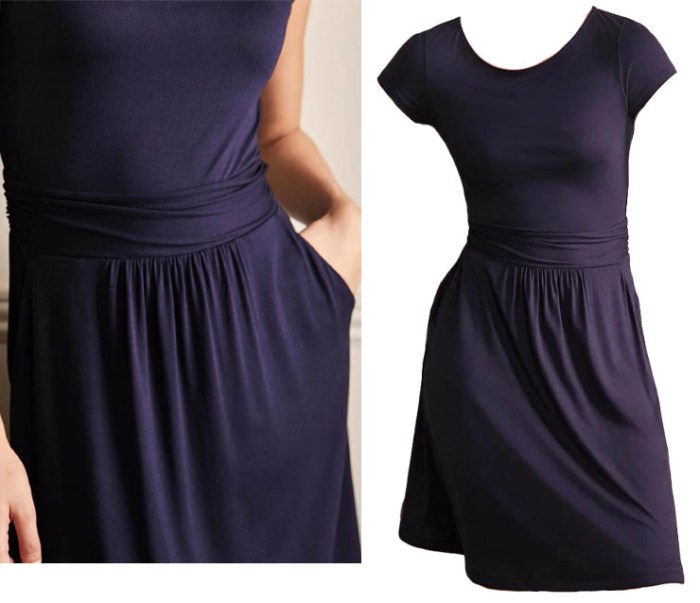
Choosing the right fabric is crucial for creating a dress that looks and feels amazing. The fabric’s fiber content directly impacts its drape, texture, and overall suitability for different dress styles, from casual everyday wear to elegant formal gowns. Understanding these characteristics allows for informed decision-making during the design and construction process.
Natural Fiber Dress Fabrics
Natural fibers, derived from plants or animals, offer a range of unique properties. These fabrics often possess breathability, softness, and a luxurious feel, although they can sometimes require more care than their synthetic counterparts.
| Fabric Type | Fiber Content | Drape | Suitability for Dress Styles |
|---|---|---|---|
| Silk | Silk protein fibers | Fluid, luxurious, and lustrous drape; can be heavy or lightweight depending on the weave. | Formal gowns, evening dresses, blouses |
| Cotton | Cotton plant fibers | Crisp, breathable, and can range from lightweight to heavy depending on the weave. | Casual dresses, summer dresses, shirts |
| Linen | Flax plant fibers | Slightly stiff, drapes well when softened, breathable, and has a characteristic slubby texture. | Summer dresses, casual wear, tailored garments |
| Wool | Sheep’s wool fibers | Depending on the weave, it can be soft and drapey or more structured. Often warm and has a natural texture. | Coats, winter dresses, structured garments |
Synthetic Fiber Dress Fabrics
Synthetic fabrics are created from chemical processes. They often offer durability, wrinkle resistance, and affordability, but may not be as breathable as natural fibers.
| Fabric Type | Fiber Content | Drape | Suitability for Dress Styles |
|---|---|---|---|
| Polyester | Polyester polymer fibers | Can vary greatly depending on the weave and finish; can be stiff or soft, drapes well in some forms. | Casual dresses, sportswear, linings |
| Nylon | Nylon polymer fibers | Lightweight, smooth drape; can be very stretchy depending on the construction. | Swimwear, activewear, hosiery, linings |
| Rayon | Regenerated cellulose fibers | Drape varies; can mimic the feel of silk or other natural fibers, depending on the manufacturing process. | Casual and formal dresses, blouses |
| Spandex/Lycra | Spandex/Lycra polymer fibers | Very stretchy and has little drape on its own, usually blended with other fabrics. | Activewear, fitted dresses, dancewear |
Fabric Blends
Many dress fabrics are blends of natural and synthetic fibers, combining the best properties of each. For instance, a cotton-polyester blend might offer the breathability of cotton with the wrinkle resistance of polyester. This creates a versatile fabric suitable for a wide array of dress styles.
| Fabric Type | Fiber Content | Drape | Suitability for Dress Styles |
|---|---|---|---|
| Cotton-Lycra | Cotton and Spandex/Lycra | Comfortable stretch and good drape, retains some cotton’s breathability. | Casual dresses, activewear, comfortable everyday wear |
| Silk-Polyester | Silk and Polyester | Luxurious drape of silk with increased durability and wrinkle resistance from polyester. | Formal dresses, blouses, where durability and care are important |
| Linen-Cotton | Linen and Cotton | Combines the breathability of both fibers, with a slightly softer drape than pure linen. | Summer dresses, casual wear, lightweight garments |
Fabric Properties and Care
Choosing the right fabric is crucial for creating a beautiful and well-fitting dress. Understanding a fabric’s properties, such as breathability, wrinkle resistance, and durability, is just as important as its aesthetic appeal. Knowing how to care for your chosen fabric will also extend the life of your garment and maintain its appearance.Understanding the properties of different fabrics is key to successful dressmaking.
This section will detail the characteristics of various fabrics commonly used for dresses, and will offer guidance on appropriate care instructions to ensure longevity and maintain the quality of your finished garment.
Fabric Properties and Their Impact on Dressmaking
The properties of a fabric significantly influence the drape, comfort, and overall appearance of a dress. Breathability affects how comfortable a dress is to wear, especially in warmer climates. Wrinkle resistance determines how easily the fabric creases and the amount of ironing required. Durability refers to the fabric’s resistance to wear and tear, influencing the garment’s lifespan. These factors should be considered when selecting a fabric for a particular dress style and intended use.
Fabric Care Instructions
Proper care is essential to maintain the quality and appearance of your dress. Different fabrics require different cleaning methods; improper care can lead to shrinking, fading, or damage. Understanding these nuances will ensure your dress remains in excellent condition for years to come.
Comparison of Fabric Properties and Care
| Fabric Type | Breathability | Wrinkle Resistance | Care Instructions |
|---|---|---|---|
| Cotton | High | Low | Machine wash cold, tumble dry low, or line dry. Iron while slightly damp. |
| Linen | High | Low | Machine wash cold, line dry. Iron while slightly damp. Prone to wrinkling, even after ironing. |
| Silk | Moderate | Moderate | Hand wash or dry clean. Iron on low heat with a pressing cloth. |
| Wool | Moderate | Moderate to High | Dry clean or hand wash in cold water. Lay flat to dry. Iron on low heat with steam. |
| Polyester | Low | High | Machine wash cold, tumble dry low. Generally wrinkle-resistant and easy to care for. |
| Rayon | Moderate | Low | Hand wash or dry clean. Iron on low heat. Prone to shrinking if not handled carefully. |
| Lace | Moderate | Low | Hand wash or dry clean. Lay flat to dry. Iron with caution using a pressing cloth. |
Fabric Choice for Different Dress Styles
Selecting the right fabric is crucial for achieving the desired look and feel of a dress. The drape, texture, and weight of the fabric significantly impact the overall aesthetic and how the garment will fall on the body. Different dress styles necessitate different fabric choices to optimize their intended purpose and style.
Casual Sundresses
Lightweight and breathable fabrics are ideal for casual sundresses, allowing for comfort and ease of movement in warm weather. Cotton, linen, and rayon are excellent choices due to their breathability and ability to drape well. These fabrics are also relatively easy to care for, making them practical for everyday wear. Conversely, heavier fabrics like brocade or velvet would be unsuitable for a sundress, as they would be too warm and restrictive.
A cotton voile sundress, for instance, would be light and airy, perfect for a summer day, while a linen sundress would offer a more relaxed, slightly textured look. Avoid fabrics like stiff silks or heavy wools; these would feel uncomfortable and look out of place in a casual setting.
Formal Evening Gowns
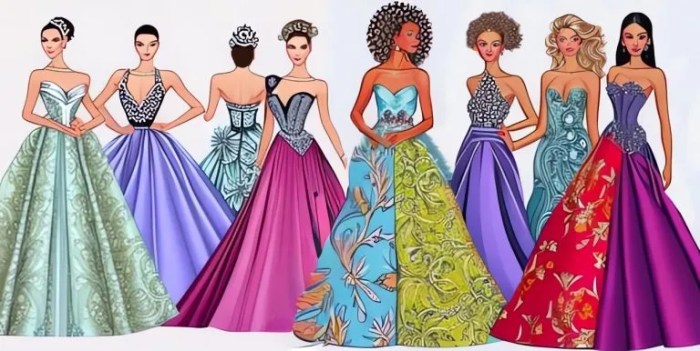
Formal evening gowns often call for luxurious and elegant fabrics that create a sophisticated silhouette. Silk, satin, chiffon, and velvet are popular choices, offering a range of textures and levels of sheen. Silk’s luxurious drape and subtle sheen create a classic, elegant look, while satin provides a smoother, more glamorous finish. Chiffon offers a lighter, more ethereal feel, ideal for flowing gowns.
Velvet adds richness and texture, particularly suitable for evening wear during cooler months. Conversely, fabrics like denim, jersey, or cotton canvas would be inappropriate; their casual nature would clash with the formality of an evening gown. A silk charmeuse gown, for example, would exude elegance, whereas a velvet gown would convey opulence and richness. The drape and weight of these fabrics contribute significantly to the overall sophisticated appearance.
Bridal Dresses
Bridal dresses often require fabrics that combine elegance, durability, and a luxurious feel. Lace, silk, satin, and tulle are common choices. Lace adds intricate detail and a romantic touch, while silk and satin offer a luxurious drape and sheen. Tulle is frequently used for layers and volume, creating a full and ethereal look. The choice of fabric often depends on the style and season of the wedding.
A heavier fabric like silk satin might be chosen for a winter wedding, while a lighter fabric like silk chiffon might be more suitable for a summer wedding. Conversely, fabrics that are easily wrinkled or lack the necessary structure would be less suitable. A dress made from a durable silk taffeta, for example, would be both elegant and resilient, suitable for a long day of celebrations.
Avoid fabrics that are prone to snagging or are too delicate for the rigors of a wedding day.
Fabric Patterns and Prints
Fabric patterns and prints are crucial design elements that significantly impact the overall aesthetic and perception of a dress. The choice of pattern or print can dramatically alter how a dress looks, feels, and ultimately, how the wearer feels in it. Understanding the effect of different patterns and prints is key to selecting the perfect fabric for a desired look.The interplay between pattern, print, and dress style creates a unique visual effect.
Floral prints, for example, evoke feelings of romance and femininity, while geometric patterns can project a more modern and structured aesthetic. Abstract prints, on the other hand, offer a sense of artistic expression and individuality. The boldness or subtlety of the print further modifies this impact; a bold print commands attention, while a subtle print creates a more understated elegance.
The Influence of Pattern and Print on Dress Perception
Different patterns and prints create distinct visual impressions. Floral patterns, with their natural motifs, tend to soften the overall look of a dress, making it appear more delicate and feminine. This is particularly effective for styles like A-line dresses or flowy maxi dresses. Conversely, geometric patterns, with their sharp lines and structured designs, lend a more contemporary and sophisticated feel to a dress, complementing styles such as sheath dresses or tailored shirt dresses.
Abstract prints, characterized by their unconventional and often artistic designs, add a unique flair and personality to a dress, often suiting more avant-garde or bohemian styles. Bold prints tend to create a statement look, while subtle prints offer a more refined and understated appearance. The scale of the print also matters; large prints can overwhelm a petite frame, while small prints might get lost on a larger one.
Choosing Patterns and Prints to Complement Dress Style and Body Type
Selecting a fabric pattern or print that complements both the dress style and the wearer’s body type is essential for achieving a flattering and stylish outcome. For instance, a petite individual might benefit from a dress with a smaller-scale print to avoid appearing overwhelmed. Larger prints, on the other hand, can be very flattering on those with curvier figures, as they can add visual interest and create a more balanced silhouette.
Similarly, vertical stripes can create a lengthening effect, suitable for those who wish to appear taller and slimmer, while horizontal stripes can add width, potentially flattering those who want to appear more curvy. The fabric’s weight and drape also interact with the print; a bold print on a heavy fabric might appear overpowering, while a delicate print on a lightweight fabric creates a more ethereal look.
Ultimately, the best choice depends on the individual’s personal style, body type, and the overall desired aesthetic of the dress.
Ultimately, selecting the perfect fabric for your dress is a deeply personal journey, influenced by your design vision, the intended occasion, and your own unique style. By understanding the nuances of different fabrics and their properties, you can confidently choose materials that not only enhance the aesthetic appeal of your dress but also ensure comfort, durability, and longevity. Happy sewing!
Key Questions Answered
What’s the difference between woven and knit fabrics?
Woven fabrics are created by interlacing warp and weft yarns, resulting in a more structured and less stretchy material. Knit fabrics are made by looping yarns together, offering more stretch and drape.
How do I choose a fabric for a beginner sewing project?
Beginners should opt for easy-to-work-with fabrics like cotton or linen, which are less prone to fraying and easier to sew than more delicate materials.
Can I machine wash all dress fabrics?
No, many dress fabrics require hand washing or dry cleaning to maintain their quality and appearance. Always check the fabric care label before washing.
Where can I find high-quality fabrics at affordable prices?
Online retailers, fabric stores with sales, and local fabric markets often offer high-quality fabrics at competitive prices. Consider purchasing remnants or end-of-bolt fabrics for savings.