Selecting the right fabric for a suit is crucial; it significantly impacts the garment’s appearance, feel, and longevity. This exploration delves into the diverse world of high-quality suit fabrics, examining their properties, weights, weaves, and suitability for various styles and occasions. We’ll navigate the nuances of wool types, the drape of silk and linen, and the durability of cotton blends, providing a comprehensive guide to making informed decisions.
From understanding the differences between super 100s, 120s, and 150s wool to discerning the characteristics of plain, twill, and satin weaves, this guide equips you with the knowledge to choose fabrics that perfectly complement your style and needs. We also address the importance of sustainable and ethical sourcing, ensuring your suit reflects not only impeccable style but also responsible consumption.
Understanding Suit Fabric Properties
Choosing the right fabric for a suit significantly impacts its appearance, comfort, and longevity. The properties of the fabric dictate drape, durability, breathability, and overall feel, influencing the suit’s suitability for various occasions and climates. Understanding these properties is crucial for making an informed decision.
Wool Suit Fabrics
The characteristics of wool make it a perennial favorite for high-quality suits. Its natural resilience, breathability, and luxurious feel contribute to its enduring popularity. Different types of wool offer varying levels of softness, drape, and durability.
| Wool Type | Characteristics | Suitability | Price Point |
|---|---|---|---|
| Merino Wool | Extremely soft, fine fibers; excellent drape; good breathability; wrinkle-resistant | Formal and informal suits; all-season wear | High |
| Cashmere | Super soft, luxurious feel; exceptional drape; lightweight; less durable than merino | Formal suits; colder climates | Very High |
| Worsted Wool | Strong, tightly woven; durable; crisp drape; wrinkle-resistant; good breathability | Formal and business suits; year-round wear | Medium to High |
Silk and Linen Suit Fabrics
Silk and linen offer distinct textural and aesthetic qualities for suits. Silk, known for its luxurious sheen and smooth drape, creates a sophisticated and elegant appearance. Linen, a natural fiber, provides a breathable and relaxed feel, making it ideal for warmer climates. However, both fabrics require more careful handling due to their delicate nature. Silk suits generally exhibit a fluid, almost liquid-like drape, falling gracefully on the body.
Linen suits, while also draping well, often have a slightly more textured and less structured appearance.
Cotton Blend Suit Fabrics
Cotton blends combine the breathability and comfort of cotton with the strength and durability of other fibers, such as polyester or linen. This results in a fabric that is often more wrinkle-resistant and easier to care for than pure cotton. Examples of suitable cotton blends include cotton-linen blends, which offer breathability and a slightly textured look, and cotton-polyester blends, which are more durable and wrinkle-resistant.
These blends are frequently used in summer suits or more casual suit styles due to their enhanced breathability and lighter weight.
Comparing Fabric Weights and Weaves
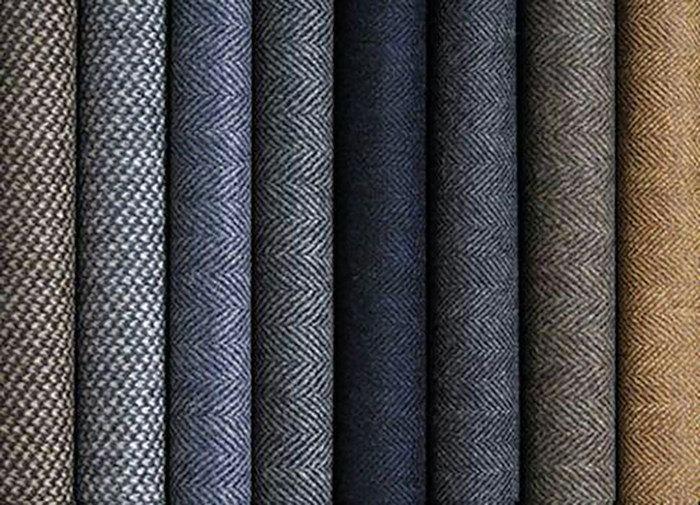
Choosing the right suit fabric involves understanding the interplay between weight, weave, and the desired aesthetic. The weight influences drape and warmth, while the weave impacts texture, durability, and visual appeal. This section will delve into the specifics of fabric weight designations and weave structures to aid in informed decision-making.
Super 100s, Super 120s, and Super 150s Wool Fabrics
The “Super” number in wool fabric refers to the fineness of the yarn, measured in microns. A higher number indicates finer yarn, resulting in a softer, more luxurious, and often more expensive fabric. However, finer yarns can also be less durable.
- Super 100s: This is a common and versatile choice, offering a good balance between softness, durability, and price. It drapes well and is suitable for various climates and occasions.
- Super 120s: Significantly softer and more luxurious than Super 100s, this fabric is exceptionally smooth and drapes beautifully. It’s ideal for formal wear but may be less resilient to wrinkles and wear.
- Super 150s: Representing the pinnacle of luxury in wool fabrics, Super 150s is exceptionally fine, soft, and lightweight. It offers unparalleled drape and comfort but is delicate and requires careful handling. It’s best suited for warmer climates and special occasions.
Plain Weave, Twill Weave, and Satin Weave Fabrics
Different weaves create distinct textures and appearances in suit fabrics. Understanding these differences is key to selecting a fabric that meets both aesthetic and practical needs. The following table summarizes the key characteristics:
| Weave Type | Appearance | Durability | Suitability |
|---|---|---|---|
| Plain Weave | Simple, even texture; often matte finish | Moderate; relatively durable and easy to maintain | Versatile; suitable for both formal and informal suits |
| Twill Weave | Diagonal pattern; often has a subtle sheen | High; more durable and wrinkle-resistant than plain weave | Ideal for suits that require durability and wrinkle resistance; often used in heavier weight fabrics |
| Satin Weave | Smooth, lustrous surface; high sheen | Low; more prone to snags and wrinkles | Best suited for formal wear or special occasions where the luxurious sheen is desired; requires careful handling |
Impact of Fabric Weight on Suit Appearance
Fabric weight significantly influences the drape and overall appearance of a suit. Heavier fabrics, such as those used in winter suits, tend to create a more structured and formal look. They offer better warmth and wrinkle resistance. Lighter fabrics, common in summer suits, result in a softer, more relaxed silhouette. They are more comfortable in warmer weather but might wrinkle more easily.
The weight choice depends heavily on the intended use and personal preference, considering both the formality of the occasion and the climate. A heavier weight suit in a summer setting might feel too warm and stiff, whereas a lightweight suit might look inappropriate in a formal winter event.
Fabric Choices for Different Suit Styles
Selecting the right fabric for your suit is crucial, impacting both its appearance and how it performs. The choice depends heavily on the intended style of the suit, the climate, and the desired level of formality. Understanding these factors allows for a well-informed decision that ensures your suit looks and feels its best.Choosing fabrics for different suit styles requires considering factors like drape, texture, and weight.
Heavier fabrics are generally more durable and suitable for colder climates, while lighter fabrics are better suited for warmer weather and less formal occasions. The weave also plays a significant role; tighter weaves are more resistant to wrinkles and offer better protection from the elements.
Fabric Choices for a Classic Business Suit
A classic business suit demands fabrics that project an image of formality, sophistication, and durability. The fabric should drape well, resist wrinkles, and hold its shape throughout the day. High-quality wool is the quintessential choice, offering excellent breathability and a luxurious feel. Wool blends incorporating cashmere or silk enhance the softness and drape, adding a touch of opulence.
For a more robust and durable option, consider a high-twist worsted wool, known for its resilience and resistance to creasing.
Fabric Recommendations for Various Suit Styles
The following table provides recommendations for different suit styles, considering formality, seasonality, and desired aesthetic:
| Suit Style | Fabric Recommendations |
|---|---|
| Classic Business Suit | High-twist worsted wool, wool/cashmere blend, wool/silk blend |
| Summer Suit | Linen, linen/cotton blend, seersucker |
| Tuxedo | Super 100’s or higher wool, silk barathea, mohair |
| Casual Suit | Cotton twill, linen, flannel |
Fabric Choices for Different Seasons and Climates
The suitability of a suit fabric is heavily influenced by the season and climate. Choosing the right fabric ensures comfort and appropriate presentation.
Fabrics appropriate for different seasons and climates are critical for maintaining comfort and a polished appearance. Heavier fabrics are best suited for colder months, while lighter fabrics are ideal for warmer weather.
- Summer: Linen, linen blends, cotton, seersucker are lightweight and breathable, ideal for hot and humid climates. These fabrics allow for air circulation, keeping the wearer cool and comfortable.
- Winter: Wool, cashmere, flannel, tweed are heavier fabrics that provide warmth and insulation against cold temperatures. Their thicker weaves offer better protection from wind and rain.
- Spring/Autumn: Lightweight wool, cotton twill, gabardine offer a balance between warmth and breathability, suitable for the transitional seasons’ fluctuating temperatures. These fabrics provide adequate warmth without being overly heavy.
Assessing Fabric Quality and Care
Choosing a high-quality suit fabric is only half the battle; understanding how to assess its quality and provide proper care is crucial for maximizing its lifespan and maintaining its impeccable appearance. This section will guide you through identifying superior fabrics and implementing appropriate care routines to ensure your suit remains a sartorial investment for years to come.Fabric quality is not solely determined by price; rather, it’s a complex interplay of several factors.
Understanding these factors allows you to make informed decisions, regardless of the price point.
Identifying High-Quality Suit Fabrics
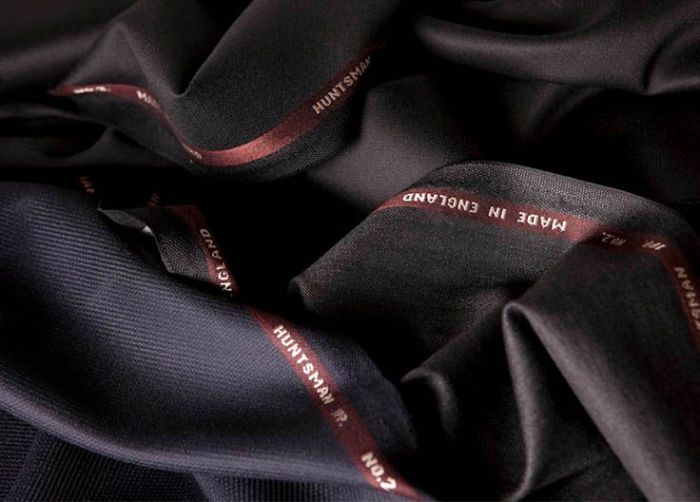
The tactile experience is key to assessing fabric quality. High-quality fabrics generally possess a smooth, even texture, free from irregularities or imperfections. Run your hand across the fabric; a luxurious feel indicates superior quality. Drape is another important indicator; a high-quality fabric will drape smoothly and elegantly, falling naturally rather than clinging or bunching. Examine the stitching closely; fine, even stitching suggests meticulous craftsmanship and a higher likelihood of durability.
Loose or uneven stitching is a red flag. The presence of a selvedge, a tightly woven edge on the fabric, often indicates higher quality production, as it signals less waste during manufacturing and a greater focus on detail.
Suit Fabric Care
Proper care significantly extends the life of your suit. Different fabrics require different care approaches. For example, wool suits benefit from professional dry cleaning, while some blends might tolerate hand-washing under specific conditions. Always check the care label for specific instructions.
Proper care involves regular brushing to remove dust and lint, gentle pressing to maintain crisp lines, and careful storage to prevent wrinkles and damage. Avoid harsh chemicals and excessive heat, which can damage delicate fibers. Store suits on padded hangers in a cool, dry place away from direct sunlight.
Cost Implications and Longevity
The initial cost of a suit is directly related to the fabric’s quality. Higher-quality fabrics, such as super 150s wool, typically cost more due to their finer fibers, luxurious feel, and superior durability. However, this higher initial investment often translates to a longer lifespan. A well-cared-for suit made from high-quality fabric can last for many years, making it a cost-effective choice in the long run.
Conversely, cheaper fabrics might wear out or lose their shape faster, necessitating more frequent replacements. Consider a suit made from a robust, durable fabric as a long-term investment rather than a disposable purchase. For example, a suit made from a high-quality wool blend may cost significantly more upfront than a polyester blend suit, but it will likely maintain its shape, color, and overall quality for many more years.
The cost-per-wear of the higher-quality suit will likely be considerably less over its lifetime.
Exploring Sustainable and Ethical Fabric Options
The increasing awareness of environmental and social responsibility is driving a significant shift in the fashion industry, including the tailoring of men’s suits. Consumers are increasingly demanding sustainable and ethically produced garments, prompting manufacturers to explore alternative fabric options and production methods. This section examines the benefits and drawbacks of eco-friendly materials, compares the environmental impact of different production processes, and underscores the importance of ethical sourcing in suit production.Choosing sustainable and ethical fabrics for a suit offers a compelling blend of environmental responsibility and social consciousness.
While traditional suit fabrics have a significant environmental footprint, the shift towards sustainable alternatives presents a viable path towards a more responsible fashion industry.
Organic Cotton in Suit Production
Organic cotton, grown without synthetic pesticides or fertilizers, offers a more environmentally friendly alternative to conventionally grown cotton. Benefits include reduced water pollution, improved soil health, and a reduction in greenhouse gas emissions. However, organic cotton often requires more land and water to produce the same yield, potentially impacting biodiversity in some regions. Furthermore, the higher cost of organic cotton can translate to a more expensive suit.
Recycled Materials in Suit Production
Recycled materials, such as recycled polyester from plastic bottles or recycled wool from textile waste, offer a significant reduction in the environmental impact compared to virgin materials. The production of recycled polyester, for instance, requires considerably less energy and water than producing virgin polyester. However, the quality of recycled materials can sometimes be inconsistent, and the recycling process itself can have some environmental impact, depending on the methods employed.
Furthermore, the availability of high-quality recycled fabrics suitable for tailoring fine suits may be limited.
Environmental Impact of Fabric Production Methods
The environmental impact of fabric production varies significantly depending on the material and the production process. The following table compares the environmental impact of different fabric production methods, focusing on water usage, energy consumption, and greenhouse gas emissions. It’s important to note that these are generalized comparisons, and specific impacts can vary based on factors such as location, technology, and scale of production.
| Fabric Production Method | Water Usage | Energy Consumption | Greenhouse Gas Emissions |
|---|---|---|---|
| Conventional Cotton | High | Moderate | High |
| Organic Cotton | Moderate to High | Moderate | Moderate |
| Recycled Polyester | Low | Low | Low |
| Recycled Wool | Low | Low to Moderate | Low to Moderate |
| Linen | Moderate | Moderate | Moderate |
Ethical Sourcing of Suit Materials
Ethical sourcing encompasses a wide range of considerations, including fair labor practices, safe working conditions, and environmental protection throughout the supply chain. When selecting a suit, it’s crucial to consider the origin of the materials and the working conditions of those involved in their production. Supporting brands committed to transparency and ethical sourcing helps ensure that the garment is produced responsibly, respecting both people and the planet.
Look for certifications such as GOTS (Global Organic Textile Standard) or Fair Trade, which provide independent verification of ethical and sustainable practices. Transparency in the supply chain allows consumers to make informed decisions and support businesses aligned with their values.
Visual Representation of Fabric Textures
Understanding the visual and tactile qualities of suit fabrics is crucial for appreciating their inherent elegance and choosing the right material for a specific occasion and personal style. The interplay of weave, fiber, and weight creates a unique aesthetic and drape, impacting both the look and feel of the finished garment.The tactile experience of high-quality fabrics is as important as their visual appeal.
Running your hand across a fine wool, linen, or silk reveals a world of textural differences, each contributing to the overall luxurious feel of the suit.
Tactile Experiences of High-Quality Fabrics
High-quality wool, such as Super 150s or higher, possesses a soft, almost buttery smoothness. The fibers are fine and tightly woven, creating a dense, yet yielding surface that drapes beautifully. Linen, in contrast, offers a more rustic, slightly rough texture. Its individual fibers are visible, creating a slightly uneven surface that feels cool and crisp against the skin.
Finally, silk exhibits an unparalleled smoothness and luster. Its incredibly fine fibers glide effortlessly beneath the fingertips, offering a sensation of luxurious weightlessness.
Visual Appearance of Fabric Weaves
The weave of a fabric significantly impacts its visual appearance. Plain weave, the simplest construction, creates a uniform, even surface with little texture. Think of a crisp cotton shirt – this is a plain weave. Twill weave, on the other hand, displays a distinct diagonal pattern, often exhibiting a subtle sheen and a more substantial feel. This is commonly seen in many suit fabrics, lending them a more structured look.
Satin weave, characterized by its smooth, glossy surface and characteristic sheen, results from a weave where the warp or weft yarns float over several yarns before being interwoven. This creates a luxurious, almost shimmering effect.
Visual Differences Between Suits Made of Heavier and Lighter Fabrics
The weight of the fabric profoundly affects the silhouette of a suit. A heavier fabric, such as a high-quality wool worsted, will drape more heavily, creating a fuller, more structured silhouette. The suit will appear more substantial and formal. The lines will be crisper and the drape more defined. In contrast, a lighter fabric, like a lightweight linen or cotton, will create a softer, more relaxed silhouette.
The suit will drape more loosely, appearing less structured and more casual. The lines will be softer and less defined, lending itself to a more relaxed, less formal appearance. For example, a suit made from a heavy cavalry twill wool will have a much more robust and imposing presence than one made from a lightweight summer linen.
Ultimately, the choice of fabric for your suit is a personal one, reflecting your individual style and preferences. By understanding the properties of various fabrics, their weights and weaves, and their suitability for different occasions, you can make an informed decision that results in a garment that is both stylish and durable. Remember to consider factors such as climate, occasion, and personal comfort to ensure your suit meets your expectations for years to come.
The investment in high-quality fabric translates directly to the longevity and overall elegance of your suit.
FAQ Corner
What is the difference between worsted and woolen wool?
Worsted wool is smoother, finer, and more tightly spun, resulting in a crisper drape. Woolen wool is softer, more textured, and warmer.
How do I care for a linen suit?
Linen suits require careful handling. Dry cleaning is recommended, and steaming is preferable to ironing to avoid creases.
Can I machine wash a cotton suit?
Check the care label. Some cotton blends are machine washable on a gentle cycle, but dry cleaning is generally safer.
What’s the best fabric for a summer suit?
Linen, cotton blends, and lightweight wool are ideal for summer suits due to their breathability.