Choosing the right fabric for your furniture is a crucial step in creating a luxurious and comfortable living space. The selection goes beyond mere aesthetics; it encompasses durability, maintenance, and the overall impact on the room’s ambiance. This exploration delves into the world of high-end upholstery, examining various fabric types, their unique properties, and how to select the perfect material to complement your style and lifestyle.
From the subtle sheen of silk to the plush texture of velvet, each fabric offers a distinct character and level of sophistication. Understanding the differences between natural and synthetic fibers, weave structures, and finishing techniques is essential for making informed decisions. This guide aims to equip you with the knowledge necessary to navigate the complexities of luxury fabric selection, ensuring your furniture investment reflects both timeless elegance and enduring quality.
Defining Luxury in Fabric
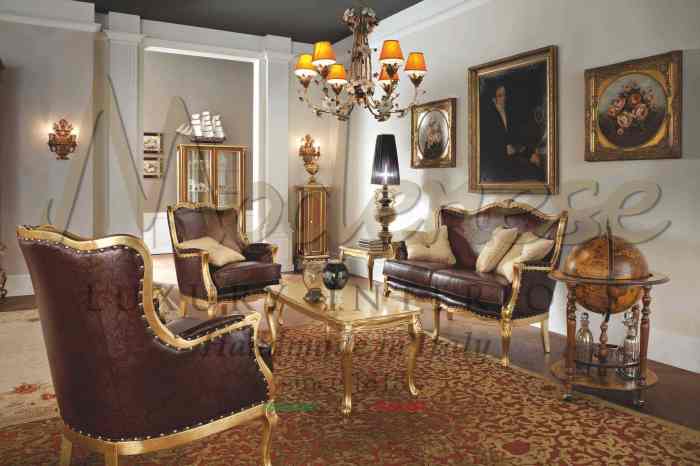
Luxury in furniture fabrics transcends mere cost; it encompasses a confluence of factors contributing to a superior sensory and tactile experience, durability, and aesthetic appeal. These elements combine to create a perception of exclusivity and high value, justifying a premium price point.Luxury fabrics for furniture are distinguished by several key characteristics. The fiber type forms the foundation, influencing drape, texture, and longevity.
The weave structure, whether a simple plain weave or a complex jacquard, significantly impacts the fabric’s visual appeal and strength. Finally, the finishing processes, such as dyeing, printing, and treatments applied, enhance the fabric’s luxurious feel and performance.
Price Points of Luxury Fabrics
The price of luxury fabrics varies dramatically depending on the fiber, weave complexity, and finishing techniques employed. High-quality silk, cashmere, and linen can command significantly higher prices than more accessible options like velvet or high-end cotton. For example, a custom-made silk velvet sofa might cost several thousand dollars more than a comparable sofa upholstered in a high-quality cotton velvet.
The price difference reflects the superior fiber quality, the intricate weaving process, and the potentially more elaborate finishing treatments applied to the silk version. These differences translate to a perception of increased value and prestige.
Fiber Type, Weave, and Perceived Luxury
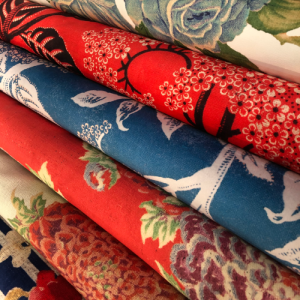
The fiber type is paramount in determining a fabric’s luxurious qualities. Natural fibers like silk, cashmere, linen, and wool are often associated with luxury due to their inherent softness, drape, and breathability. These fibers often possess a unique luster or sheen, enhancing their visual appeal. The weave structure further contributes to the perceived luxury. Intricate weaves, such as damask, brocade, or tapestry, demonstrate craftsmanship and add visual complexity, elevating the fabric’s perceived value.
A simple plain weave, even in a luxurious fiber like silk, will generally appear less opulent than a richly textured jacquard weave in the same material. The interplay between fiber and weave creates a synergistic effect, amplifying the overall impression of luxury.
Impact of Finish and Treatment on Luxury Perception
The finishing and treatment processes significantly influence the final appearance, feel, and performance of a luxury fabric. Dyeing techniques can create rich, deep colors, while specialized printing methods can add intricate patterns or textures. Treatments like water-repellency or stain resistance enhance practicality and longevity, adding value to the fabric. For instance, a silk fabric treated with a water-resistant finish maintains its luxurious feel while offering added practicality.
Similarly, a velvet fabric with a specialized treatment to prevent pilling will retain its luxurious texture for a longer period. These treatments, often invisible to the naked eye, add to the overall perceived value and luxury of the fabric, contributing to its premium price point.
Popular Luxury Fabric Choices
Selecting the right upholstery fabric is crucial for both the aesthetic and functional longevity of your furniture. The choice significantly impacts the overall look, feel, and durability of a piece, influencing its comfort and lifespan. Understanding the properties of different luxury fabrics allows for informed decision-making, ensuring a harmonious blend of style and practicality.
Luxury Fabric Options for Furniture Upholstery
The following table details several popular luxury fabrics commonly used in furniture upholstery, outlining their composition, texture, and ideal applications. Each fabric offers a unique combination of advantages and disadvantages, influencing its suitability for various furniture pieces and lifestyles.
| Fabric Name | Fiber Content | Texture Description | Typical Uses |
|---|---|---|---|
| Velvet | Silk, cotton, rayon, polyester (blends common) | Soft, plush, deep pile | Sofas, armchairs, ottomans |
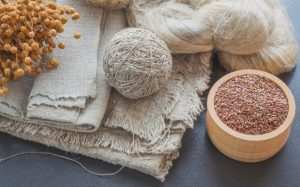
| Linen | Flax | Slightly rough, breathable, crisp | Armchairs, sofas (lighter weight pieces), throw pillows |
| Leather | Animal hide (cow, sheep, pig) | Smooth, supple, durable | Sofas, armchairs, executive chairs |
| Silk | Silk fibers | Luxurious, smooth, lustrous | Accent pillows, decorative furniture, high-end upholstery |
| Cashmere | Cashmere goat hair | Incredibly soft, lightweight, luxurious | Accent chairs, throws, cushions |
Pros and Cons of Popular Luxury Fabrics
Each fabric possesses unique characteristics influencing its suitability for different furniture and lifestyles. Consider these factors when making your selection.
Velvet: Velvet’s plush texture offers unparalleled comfort and a luxurious aesthetic. However, its pile can be susceptible to crushing and requires regular vacuuming and professional cleaning. It excels in sofas and armchairs where comfort is paramount. Its deep color saturation adds drama to a space. The downside is its higher maintenance and potential for showing stains.
Linen: Linen’s breathable and crisp texture makes it ideal for warmer climates and adds a relaxed elegance. Its natural wrinkles contribute to its casual charm, but it is less durable than other options and prone to wrinkling. Linen armchairs or lighter-weight sofas benefit from its breathable properties. Its natural aesthetic complements minimalist or farmhouse styles.
Leather: Leather is renowned for its durability and luxurious appearance, developing a rich patina over time. High-quality leather is incredibly resistant to wear and tear, but it can be expensive and requires regular conditioning to maintain its suppleness. Leather sofas and armchairs stand the test of time, particularly in high-traffic areas. Its inherent durability and timeless style are highly valued.
Silk: Silk offers unparalleled luxury and sheen. Its delicate nature, however, limits its use to accent pieces and requires expert cleaning. Silk is exceptionally beautiful but unsuitable for high-traffic furniture. Its shimmering texture adds a touch of opulence to a room.
Cashmere: Cashmere’s exceptional softness makes it perfect for luxurious accent pieces, adding a layer of comfort and elegance. However, its delicate nature and high cost make it unsuitable for high-use furniture. Cashmere throws and cushions add a touch of opulence and warmth without dominating the space. Its delicate nature necessitates careful handling and cleaning.
Fabric Choices for Specific Furniture Styles
Selecting the right fabric for your furniture is crucial in achieving the desired aesthetic and ensuring longevity. The interplay between fabric type, furniture style, and overall design scheme significantly impacts the final look and feel of a space. Understanding these relationships allows for informed choices that elevate the elegance and sophistication of your interior.
Luxury Fabric Selection for Different Furniture Styles
The choice of luxury fabric is intrinsically linked to the furniture style. A plush velvet might be perfectly suited to a traditional Chesterfield sofa, while a sleek linen would complement a minimalist modern design. Consider the inherent characteristics of each fabric – its texture, drape, and visual weight – when making your selection. For example, the formality of a damask print works beautifully in a classic setting, whereas a bold geometric pattern in a performance fabric might be more appropriate for a contemporary space.
Fabric Recommendations for Furniture Types
The following table offers specific recommendations, considering both aesthetic and practical factors.
| Furniture Type | Recommended Fabrics | Reasons for Recommendation | Potential Drawbacks |
|---|---|---|---|
| Sofa | Velvet, Linen, Leather, Performance fabrics (e.g., Crypton) | Velvet offers luxurious texture and richness; linen provides a relaxed elegance; leather is durable and sophisticated; performance fabrics offer stain and wear resistance. | Velvet can show wrinkles; linen can be prone to wrinkling and staining; leather requires regular conditioning; some performance fabrics may feel less luxurious to the touch. |
| Armchair | Silk, Brocade, Bouclé, Cashmere | Silk and brocade add opulence and sheen; bouclé provides a textural contrast; cashmere offers unparalleled softness. | Silk and brocade are delicate and require careful maintenance; bouclé can be difficult to clean; cashmere is expensive and requires specialist cleaning. |
| Ottoman | Leather, Chenille, Faux fur | Leather provides a classic and durable option; chenille offers a soft, plush texture; faux fur adds a touch of opulence and warmth. | Leather can be cold to the touch; chenille can be prone to shedding; faux fur may require specialized cleaning. |
Luxury Fabrics and Color Palettes
The impact of color cannot be overstated. Rich jewel tones like emerald green, sapphire blue, and ruby red pair exceptionally well with luxurious fabrics like velvet and silk, creating a dramatic and opulent atmosphere. These colors work beautifully in traditional and transitional settings. For a more contemporary feel, consider using neutral tones such as cream, beige, or gray with fabrics like linen or boucle, accented with pops of bolder color in throw pillows or other accessories.
A monochromatic scheme with various shades of a single color can create a sophisticated and calming environment, especially when paired with luxurious textures such as cashmere or high-quality leather.
Sustainability and Ethical Considerations
Choosing luxury fabrics for your furniture shouldn’t come at the expense of the planet or the people who create them. Sustainability and ethical sourcing are increasingly important factors for discerning consumers who value both quality and responsible manufacturing. Understanding the environmental impact and ethical implications of different materials is crucial for making informed decisions.The environmental impact of luxury fabrics varies significantly depending on the materials used and their production processes.
Organic cotton, for example, generally has a lower environmental footprint than conventionally grown cotton, due to reduced pesticide and water usage. However, even organic cotton production requires significant resources. Synthetic fabrics, such as polyester, are derived from petroleum, a non-renewable resource, and their production contributes to greenhouse gas emissions. Furthermore, the disposal of synthetic fabrics presents a significant environmental challenge due to their slow decomposition rate.
Natural fibers like linen and silk, while often biodegradable, may have higher water usage and land requirements compared to other options. The overall impact depends on a complex interplay of factors, including farming practices, processing methods, transportation, and end-of-life management.
Environmental Impact of Luxury Fabrics
A comparison of the environmental impact requires a nuanced approach. While organic cotton aims for reduced environmental impact through sustainable farming practices, it still requires land, water, and energy. Synthetic materials, conversely, have a high carbon footprint from their petroleum-based origins and often release microplastics during washing, contributing to pollution. Natural fibers like linen and silk, although biodegradable, can have significant water and land usage depending on farming methods.
A lifecycle assessment, considering the entire production chain from raw material to disposal, provides a more comprehensive picture. For example, a study comparing the environmental impact of organic cotton and recycled polyester for apparel found that recycled polyester had a lower carbon footprint in some scenarios, highlighting the complexity of making direct comparisons. The key is to seek out certifications and transparency from manufacturers to understand the specific environmental impact of their chosen fabrics.
Ethical Sourcing and Production of Luxury Fabrics
Ethical considerations extend beyond the environmental impact to encompass fair labor practices and responsible sourcing. Consumers should look for certifications that guarantee fair wages, safe working conditions, and the absence of child labor throughout the supply chain. Transparency in the supply chain is key; reputable manufacturers will readily disclose information about their sourcing and production processes. For example, the Global Organic Textile Standard (GOTS) certifies organic textiles, ensuring that they are produced in an environmentally and socially responsible manner.
Similarly, certifications like Fair Trade ensure fair prices and working conditions for farmers and workers. Choosing fabrics with such certifications helps ensure that the luxury comes without exploitation.
Questions to Consider Regarding Sustainability
Understanding the sustainability of luxury furniture fabrics requires careful consideration. Before making a purchase, consumers should ask themselves the following:
- What is the origin of the fabric and its raw materials?
- What farming or manufacturing processes were used? Were they sustainable and environmentally friendly?
- What certifications does the fabric possess (e.g., GOTS, OEKO-TEX)?
- What is the fabric’s durability and expected lifespan? A longer-lasting piece reduces the need for frequent replacements.
- What are the end-of-life options for the fabric? Is it recyclable or biodegradable?
- What are the manufacturer’s policies regarding ethical labor practices and supply chain transparency?
Ultimately, selecting luxury fabrics for your furniture is a journey of discovery, blending aesthetic preferences with practical considerations. By carefully weighing the pros and cons of different materials, considering sustainability, and understanding proper care, you can create a space that embodies both sophistication and enduring comfort. The investment in high-quality fabrics translates to a lasting legacy of style and enduring value, enhancing your home’s beauty for years to come.
Remember to prioritize ethical sourcing and sustainable choices to align your design choices with your values.
Answers to Common Questions
What is the difference between linen and cotton upholstery?
Linen is generally more durable and has a more luxurious drape than cotton, but it can wrinkle more easily and require more careful maintenance. Cotton is softer and more readily available, offering a wider range of price points.
How often should I professionally clean my luxury furniture?
The frequency depends on the fabric and usage, but generally, annual professional cleaning is recommended for high-traffic areas or fabrics prone to staining. Regular vacuuming or light spot cleaning can extend the time between professional cleanings.
Can I use bleach on my luxury fabric upholstery?
No, bleach is generally too harsh for luxury fabrics and can damage the fibers. Always use fabric-specific cleaning solutions and follow the manufacturer’s care instructions.
How do I remove pet hair from my velvet sofa?
A lint roller, upholstery brush, or damp sponge can effectively remove pet hair from velvet. Avoid harsh scrubbing that might damage the fabric’s delicate pile.