Selecting the right fabric for your activewear is crucial for performance, comfort, and longevity. The material you choose directly impacts your experience during workouts, influencing everything from moisture management and breathability to overall durability. This guide delves into the diverse world of activewear fabrics, exploring both natural and synthetic options, their unique properties, and how to choose the best materials for your specific needs and activities.
From the natural breathability of cotton to the high-performance properties of synthetic blends like polyester and spandex, we’ll examine the advantages and disadvantages of various fabrics. We’ll also discuss how fabric blends, finishes, and treatments further enhance performance and comfort, allowing you to make informed decisions when purchasing or designing athletic apparel.
Introduction to Activewear Fabrics
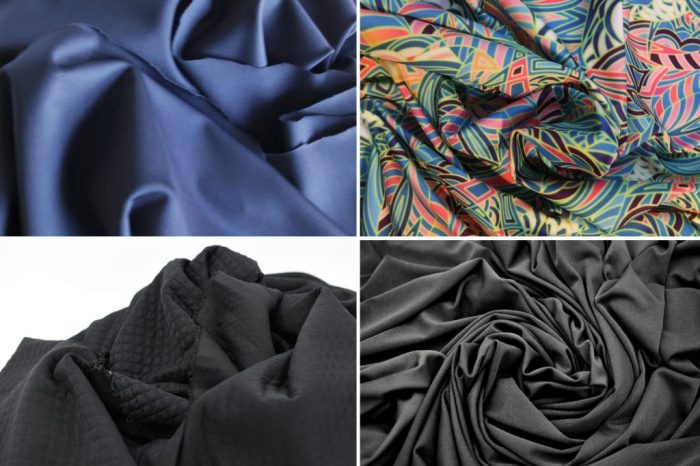
Choosing the right fabric is paramount in activewear design. The performance and comfort of athletic apparel directly depend on the fabric’s properties, impacting an athlete’s experience and overall performance. The ideal activewear fabric must effectively manage moisture, provide breathability, offer flexibility and freedom of movement, and be durable enough to withstand repeated use and washing.The key properties of fabrics suitable for athletic activities are multifaceted.
Moisture-wicking capabilities are crucial to prevent overheating and discomfort by drawing sweat away from the skin. Breathability allows for air circulation, reducing the build-up of moisture and heat. Stretch and recovery are vital for unrestricted movement during exercise, while durability ensures the garment maintains its shape and functionality over time. Finally, the fabric’s weight and feel influence comfort levels during activity.
Common Activewear Fabrics and Their Characteristics
Several fabrics have become popular choices in activewear due to their specific properties. Understanding these properties allows for informed selection based on the intended activity and personal preferences.
- Polyester: A synthetic fiber known for its durability, moisture-wicking ability, and resistance to wrinkles. Polyester is often blended with other fibers to enhance its properties. For example, a polyester-spandex blend combines the durability of polyester with the stretch of spandex, resulting in a versatile fabric suitable for a wide range of activities.
- Nylon: Another synthetic fiber, nylon is lightweight, strong, and quick-drying. Its resilience makes it ideal for high-impact activities. Similar to polyester, nylon is frequently blended with other materials to improve its characteristics, such as adding elastane for enhanced stretch and recovery.
- Spandex (Lycra): A highly elastic synthetic fiber providing excellent stretch and recovery. Spandex is rarely used alone but is commonly incorporated into blends with other fabrics to enhance their flexibility and fit. This improves the garment’s ability to move with the body during exercise, preventing restrictions.
- Cotton: A natural fiber, cotton is soft, breathable, and absorbent. However, its tendency to retain moisture and dry slowly makes it less suitable for high-intensity activities. Blending cotton with other fibers, such as polyester, can mitigate these drawbacks, creating a fabric that’s both comfortable and functional.
- Merino Wool: A natural fiber known for its excellent breathability, moisture-wicking properties, and odor resistance. Merino wool is naturally temperature-regulating, making it a suitable choice for a variety of climates and activities. It is often used in base layers for its ability to keep the wearer warm and dry.
Natural Fibers for Activewear
Natural fibers offer a compelling alternative to synthetics in activewear, appealing to consumers seeking eco-friendly and often more comfortable options. However, their performance characteristics often differ significantly from those of synthetic fabrics, necessitating careful consideration of their strengths and weaknesses for specific activities.
Cotton in Activewear
Cotton, a widely available and relatively inexpensive natural fiber, possesses inherent softness and breathability. These qualities make it comfortable against the skin, a significant advantage for many activewear applications. However, cotton’s drawbacks in activewear are considerable. It absorbs moisture readily but dries slowly, leading to discomfort and potential chilling during prolonged activity. Its low elasticity means it offers limited stretch and recovery, potentially hindering movement and comfort.
Furthermore, cotton’s susceptibility to shrinking and wrinkling diminishes its durability and appearance over time. The use of cotton in activewear is therefore often limited to situations where moisture-wicking and high performance aren’t paramount, such as yoga or low-impact exercise.
Comparison of Cotton Blends with Other Natural Fibers
The properties of cotton can be significantly improved by blending it with other natural fibers. This table compares the performance characteristics of various cotton blends:
| Fiber Blend | Moisture Wicking | Breathability | Durability |
|---|---|---|---|
| Cotton/Silk | Moderate | Good | Moderate |
| Cotton/Linen | Poor | Good | Moderate |
| Cotton/Wool | Moderate | Good | Good |
| Cotton/Hemp | Moderate | Good | Good |
Wool in Performance Apparel
Wool’s inherent properties make it surprisingly suitable for performance apparel, defying its traditional association with bulky, scratchy sweaters. Merino wool, in particular, is prized for its exceptional softness, breathability, and moisture-wicking capabilities. Its unique crimp structure traps air, providing insulation against cold and wind. Moreover, wool possesses natural antimicrobial properties, reducing odor buildup during extended wear. These qualities make merino wool ideal for base layers in cold-weather activities, offering both warmth and comfort without excessive bulk.
However, wool’s relatively high cost and slower drying time compared to synthetics remain limitations.
Silk and Linen in Activewear
Silk and linen represent contrasting approaches to natural fiber activewear. Silk, renowned for its luxurious feel and exceptional breathability, offers excellent moisture-wicking properties. However, its delicate nature and susceptibility to damage limit its suitability to low-impact activities and garments requiring minimal friction. Linen, on the other hand, boasts exceptional breathability and durability but absorbs moisture readily and dries slowly, making it less ideal for high-intensity workouts.
Both fibers offer unique sensory experiences but possess performance limitations compared to synthetic alternatives.
Synthetic Fibers for Activewear
Synthetic fibers have revolutionized activewear, offering a range of performance benefits unavailable in natural fibers. Their properties, including durability, moisture-wicking capabilities, and elasticity, make them ideal for a variety of athletic activities and apparel designs. This section will explore some of the most common synthetic fibers used in the creation of high-performance activewear.
Polyester Properties and Suitability for Athletic Activities
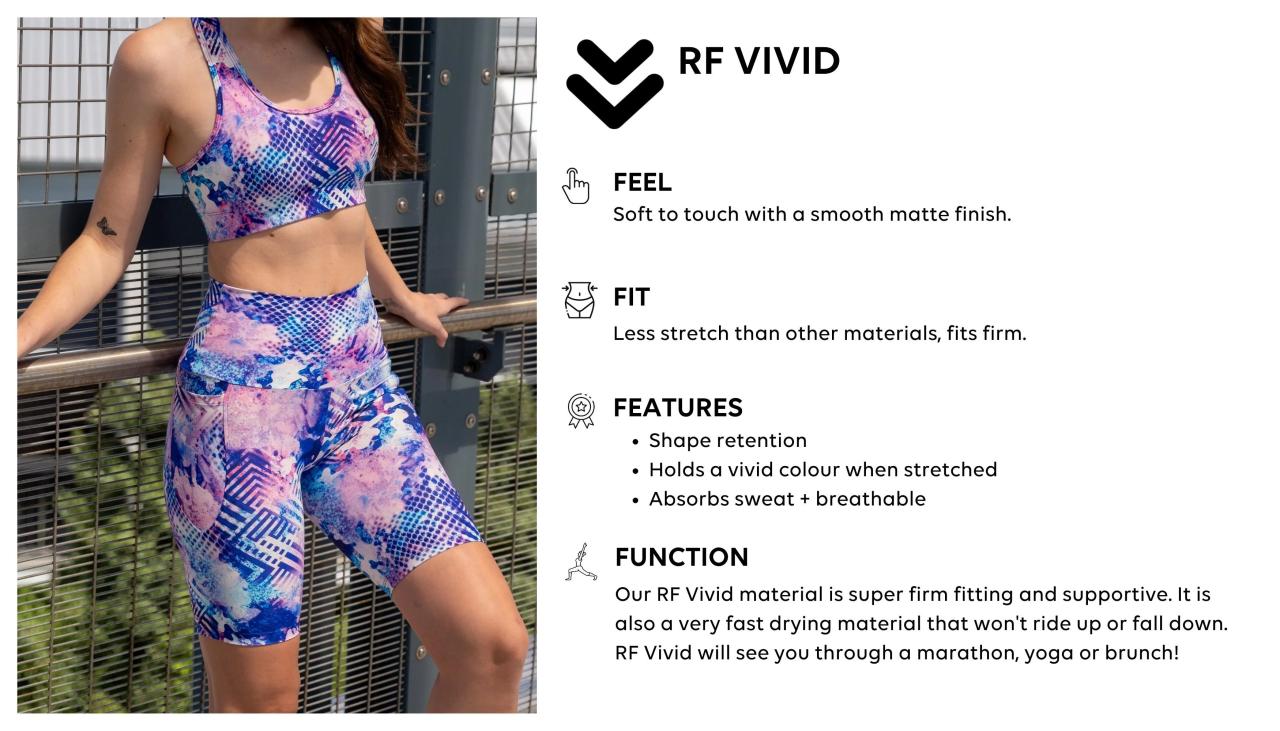
Polyester is a highly versatile synthetic fiber prized for its strength, durability, and moisture-wicking capabilities. It resists stretching and shrinking, maintaining its shape even after repeated washes and strenuous activity. This makes it a popular choice for a wide range of athletic apparel, from running shirts and leggings to swimsuits and outdoor jackets. The hydrophobic nature of polyester means it dries quickly, keeping athletes comfortable and preventing chafing.
Different types of polyester, such as microfiber polyester, offer enhanced softness and breathability. For example, a microfiber polyester running shirt will wick away sweat efficiently, keeping the wearer cool and dry during a long run, while its durability ensures it can withstand repeated use and washing.
Nylon Benefits and Drawbacks in Activewear
Nylon is another widely used synthetic fiber in activewear, known for its exceptional strength and elasticity. Its high tensile strength makes it resistant to tearing and abrasion, ideal for garments subjected to significant stress. However, nylon can absorb moisture more readily than polyester, potentially leading to discomfort if not treated with moisture-wicking finishes. Furthermore, nylon can be less breathable than some other synthetic fibers, making it less suitable for high-intensity activities in hot and humid conditions.
- Nylon 6: A common type known for its versatility and good balance of properties.
- Nylon 6,6: Offers higher strength and melting point compared to Nylon 6.
- Supplex Nylon: A softer, more comfortable nylon often used in athletic apparel.
- Tactel Nylon: Known for its silky smooth texture and excellent drape.
Spandex/Elastane for Stretch and Recovery in Activewear
Spandex, also known as elastane, is a highly elastic synthetic fiber renowned for its exceptional ability to stretch and recover its original shape. This property makes it invaluable in activewear, providing garments with the necessary flexibility and comfort for a wide range of movements. Spandex is rarely used alone; instead, it’s typically blended with other fibers like polyester, nylon, or cotton to enhance their elasticity and provide a better fit.
For example, many yoga pants utilize a blend of nylon and spandex to provide both strength and flexibility, allowing for a full range of motion during practice. Similarly, athletic swimwear often incorporates spandex for its excellent chlorine resistance and shape retention.
Other Synthetic Fibers Used in Activewear
Beyond polyester, nylon, and spandex, other synthetic fibers contribute to the performance and comfort of activewear.
Polypropylene
Polypropylene is a lightweight, hydrophobic fiber known for its exceptional moisture-wicking properties. Its quick-drying nature makes it particularly suitable for base layers and athletic socks, keeping the skin dry and preventing chafing. It’s often used in outdoor apparel due to its ability to provide insulation even when wet.
Acrylic
Acrylic fibers are often used in activewear for their softness and warmth. They mimic the properties of wool but are more resistant to shrinking and stretching. Acrylic is frequently blended with other fibers to enhance warmth and comfort without compromising durability. It is often found in fleece jackets and sweaters designed for athletic activities in cold weather.
Choosing the Right Fabric for Specific Activities
Selecting the appropriate fabric for your activewear is crucial for comfort, performance, and injury prevention. The ideal fabric will depend heavily on the intensity and type of activity, as well as the environmental conditions. Different fabrics offer varying levels of breathability, moisture-wicking, support, and durability, making careful consideration essential for maximizing your workout experience.
Fabric Choices for High-Impact Activities
High-impact activities like running and weightlifting demand fabrics that provide excellent support, durability, and moisture management. These activities generate significant sweat and stress on the body, requiring materials that can withstand the strain and keep you comfortable. Consider fabrics with a high level of elasticity to allow for a full range of motion without restriction. Supportive fabrics minimize the risk of chafing and injury.
- Nylon: Known for its strength, durability, and moisture-wicking properties. Nylon blends are often used in high-impact leggings and sports bras.
- Polyester: Another popular choice due to its quick-drying capabilities and resistance to wrinkles. Polyester blends are frequently incorporated into running shirts and shorts.
- Spandex/Lycra: Provides excellent elasticity and shape retention, often blended with other fabrics to enhance their stretch and recovery.
Fabric Choices for Low-Impact Activities
Low-impact activities such as yoga and Pilates prioritize comfort, flexibility, and breathability. These activities often involve slower movements and longer holds, so fabrics that allow for a full range of motion and excellent airflow are essential. The focus should be on fabrics that are soft, comfortable against the skin, and that move with the body without restriction.
- Cotton: While not ideal for high-intensity workouts due to its slower drying time, cotton’s breathability and softness make it a suitable option for low-impact activities in cooler environments. Look for blends with moisture-wicking materials for improved performance.
- Modal: A soft, breathable fabric made from beechwood pulp, offering a luxurious feel and good moisture-wicking properties.
- Tencel: A sustainable fabric known for its softness, breathability, and moisture-wicking abilities. It’s a good choice for yoga or Pilates clothing.
Fabric Choices for Varied Weather Conditions
The weather significantly impacts the suitability of activewear fabrics. Hot, cold, and wet conditions each require specific fabric characteristics to ensure comfort and performance.
Fabric Choices for Hot Weather
Hot and humid conditions necessitate fabrics that prioritize breathability and moisture-wicking. Materials that allow sweat to evaporate quickly will keep you cool and dry, preventing overheating and discomfort.
- Lightweight fabrics: Thin, breathable fabrics like mesh panels or perforated materials enhance airflow.
- Moisture-wicking fabrics: Materials designed to pull sweat away from the skin, such as polyester and nylon blends, are crucial.
Fabric Choices for Cold Weather
In cold weather, fabrics that provide insulation and warmth are necessary. These materials trap heat close to the body, preventing heat loss and keeping you comfortable during outdoor activities.
- Fleece: A warm and comfortable fabric that provides excellent insulation.
- Merino wool: Naturally insulating and moisture-wicking, offering warmth without excessive bulk.
Fabric Choices for Wet Weather
For activities in wet conditions, fabrics with water-resistant or waterproof properties are essential. These materials will protect you from the elements, keeping you dry and comfortable even during heavy rain or snow.
- Waterproof fabrics: Materials with a waterproof coating or membrane, like Gore-Tex, will prevent water from penetrating the fabric.
- Quick-drying fabrics: Even with waterproof outerwear, quick-drying base layers are important to wick away sweat and prevent chilling.
Ultimately, choosing the right activewear fabric is a personal journey, dependent on individual preferences, activity levels, and environmental conditions. By understanding the properties of different fabrics and their blends, you can select apparel that optimizes performance, enhances comfort, and ensures durability. This guide serves as a valuable resource for navigating the complexities of fabric selection, empowering you to make informed choices and elevate your athletic experience.
General Inquiries
What is the best fabric for running?
Moisture-wicking fabrics like polyester or blends of polyester and spandex are ideal for running, as they effectively draw sweat away from the skin, keeping you dry and comfortable.
How do I care for my activewear?
Always check the care label. Generally, machine washing in cold water with a mild detergent is recommended. Avoid using fabric softener, and air dry or tumble dry on low heat to prevent damage.
Are natural fibers suitable for high-intensity workouts?
While natural fibers like cotton offer breathability, they may not be ideal for high-intensity workouts due to their slower drying time and tendency to retain moisture. Blends incorporating synthetic fibers are often a better choice.
What is the difference between polyester and nylon?
Polyester is generally more durable and wrinkle-resistant than nylon, while nylon offers superior elasticity and is often used in swimwear due to its water resistance. Both are popular choices for activewear.