Choosing sustainable clothing is more than just a trend; it’s a crucial step towards a healthier planet. This exploration delves into the world of eco-friendly fabrics, examining their production methods, environmental impact, and suitability for various garments. We’ll uncover the benefits of opting for sustainable materials and discover how conscious choices can lessen our footprint on the environment.
From understanding the differences between organic cotton and recycled polyester to exploring innovative production techniques and certifications, we aim to equip you with the knowledge to make informed decisions when purchasing clothing. We’ll also discuss the importance of extending the lifespan of your garments through proper care and maintenance, maximizing their value and minimizing textile waste.
Production Processes and Sustainability
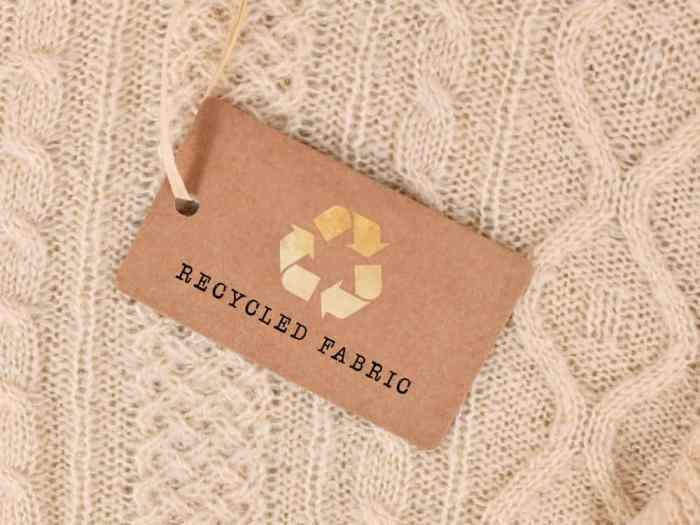
The environmental impact of clothing production is significant, encompassing water and energy consumption, waste generation, and the use of chemicals. Choosing eco-friendly fabrics is only part of the solution; understanding the sustainable production processes behind them is crucial. This section delves into the specifics of sustainable fabric production, highlighting key aspects from raw material sourcing to end-of-life management.
Sustainable fabric production aims to minimize the environmental footprint across the entire lifecycle, from the cultivation or creation of raw materials to the disposal or recycling of the finished garment. This requires careful consideration of water usage, energy consumption, waste generation, and the use of chemicals at each stage.
Water Usage and Waste Generation in Eco-Friendly Fabric Production
Water consumption varies dramatically between different eco-friendly fabrics. Organic cotton, for example, while generally more sustainable than conventionally grown cotton, still requires significant water for irrigation, although often less than conventional methods due to reduced pesticide use. Hemp, on the other hand, is known for its relatively low water needs. Linen production also uses considerable water, primarily for flax cultivation.
Similarly, waste generation differs. Organic cotton production generates less wastewater containing harmful chemicals compared to conventional cotton, but still produces agricultural waste. Innovative closed-loop systems are being developed to recycle and reuse water in textile production, minimizing water pollution and consumption.
Energy Consumption in the Lifecycle of Eco-Friendly Fabrics
The energy footprint of eco-friendly fabrics is also a crucial consideration. This encompasses energy used in cultivation, processing, manufacturing, transportation, and ultimately, disposal or recycling. Organic cotton, while reducing the energy needed for pesticide production, still requires energy for harvesting, processing, and transportation. The energy intensity of hemp production is generally lower than cotton, due to its lower input requirements.
Synthetic eco-friendly fabrics, such as recycled polyester, have a lower energy footprint than virgin polyester, but the energy required for recycling and reprocessing must be considered. The overall energy consumption is influenced by factors such as the distance traveled, the efficiency of production processes, and the chosen transportation methods.
Key Certifications and Standards for Sustainable Fabric Production
Several certifications and standards provide assurance of sustainable production practices. These certifications verify compliance with specific environmental and social criteria throughout the supply chain. Choosing fabrics with these certifications helps consumers make informed choices.
- Global Organic Textile Standard (GOTS): This is a widely recognized standard for organic textiles, covering the entire supply chain from harvesting of the raw materials to manufacturing, packaging, labeling, trading and distribution of the finished products. It sets stringent environmental and social criteria, ensuring the use of organic fibers and responsible production practices.
- OEKO-TEX Standard 100: This certification focuses on the absence of harmful substances in textiles. It tests for a wide range of chemicals, ensuring the products are safe for human health and the environment.
- Fairtrade Certification: This certification guarantees fair wages and working conditions for farmers and workers involved in the production of the raw materials.
Innovative Production Techniques for Minimizing Environmental Impact
Several innovative techniques are emerging to minimize the environmental impact of fabric production. These advancements aim to reduce water and energy consumption, waste generation, and chemical use.
- Closed-loop water systems: These systems recycle and reuse water in textile production, minimizing water consumption and pollution.
- Renewable energy sources: Using solar, wind, or other renewable energy sources to power textile mills reduces reliance on fossil fuels and lowers carbon emissions.
- Zero-waste pattern cutting: This technique optimizes fabric utilization, minimizing waste during the garment manufacturing process.
- Bio-based dyes and finishes: These alternatives to conventional synthetic dyes and finishes reduce the use of harmful chemicals and their impact on water resources.
Fabric Properties and Applications
Choosing the right eco-friendly fabric is crucial for creating sustainable and high-performing garments. Understanding the properties of different materials allows for informed decision-making, impacting both the garment’s lifespan and its environmental impact. This section explores the breathability, durability, and drape of several eco-friendly fabrics and suggests suitable applications based on these characteristics.
The properties of a fabric directly influence its suitability for various garment types. Factors like breathability are paramount for activewear, while durability is key for outerwear. Drape, on the other hand, is important for garments where a flowing or structured silhouette is desired. The correct fabric choice can significantly extend a garment’s lifespan, reducing the need for frequent replacements and minimizing textile waste.
Fabric Properties and Best Use Cases
The following table summarizes the properties and best use cases for several common eco-friendly fabrics. Note that these are general guidelines, and specific performance can vary based on the manufacturing process and fiber blend.
| Fabric | Properties | Best Use Cases |
|---|---|---|
| Organic Cotton | Breathable, relatively durable (depending on weave), soft drape. | T-shirts, dresses, casual pants, bedding |
| Tencel (Lyocell) | Highly breathable, soft, drapes well, strong and durable. | Dresses, blouses, skirts, shirts, lingerie |
| Hemp | Durable, strong, breathable, naturally water-resistant, stiff drape. | Outerwear (jackets, coats), bags, workwear |
| Organic Linen | Breathable, durable, naturally wrinkle-resistant, stiff drape. | Dresses, shirts, pants, home textiles |
| Bamboo | Soft, breathable, drapes well, moderate durability. | Underwear, socks, t-shirts, pajamas |
| Recycled Polyester | Durable, water-resistant, wrinkle-resistant, less breathable than natural fibers. | Outerwear, sportswear, fleece jackets |
Impact of Fabric Choice on Garment Lifespan and Environmental Footprint
The choice of fabric significantly impacts a garment’s lifespan and its overall environmental footprint. Natural fibers like organic cotton and linen generally require less energy to produce compared to synthetic fibers. However, their cultivation can still have environmental impacts, depending on farming practices. Synthetic fibers, even recycled ones, are derived from petroleum, a non-renewable resource. Their production is energy-intensive and often involves the release of harmful chemicals.
A durable fabric, regardless of its origin, will naturally lead to a longer garment lifespan. This reduces the frequency of garment replacement, minimizing textile waste and resource consumption. A garment made from a breathable fabric might be more comfortable to wear, encouraging more frequent use and further extending its lifespan. Conversely, a less durable or less comfortable fabric might lead to the garment being discarded sooner.
For example, a well-made garment from durable hemp will likely last longer than a cheaply made garment from conventional cotton. The overall environmental impact considers the entire lifecycle: material sourcing, manufacturing, transportation, use, and disposal. Choosing durable, eco-friendly fabrics contributes to reducing the environmental burden associated with clothing production and consumption.
Consumer Considerations and Choices
Choosing eco-friendly clothing involves more than just looking for a label; it requires a thoughtful approach considering several crucial factors. Consumers must balance their personal preferences with the environmental and social impact of their purchasing decisions. Understanding the nuances of sustainable fashion allows for informed choices that support ethical and environmentally responsible practices.Making informed decisions regarding eco-friendly clothing requires careful consideration of several key factors.
Consumers should prioritize transparency and verifiable claims from brands, actively seeking out certifications and independent audits. Understanding the different eco-friendly fabrics and their properties is also essential for making suitable choices for individual needs and lifestyles. Finally, adopting practices that extend the lifespan of clothing significantly reduces the environmental footprint of the fashion industry.
Factors to Consider When Selecting Eco-Friendly Clothing
Consumers should assess a range of factors when choosing eco-friendly clothing. These include the material composition, the brand’s sustainability certifications and practices, the garment’s durability and longevity, and the overall price point. A holistic approach, considering the entire lifecycle of the garment from production to disposal, is vital. For example, a garment made from organic cotton but shipped from the other side of the world may not be as sustainable as a garment made from recycled materials locally produced.
It’s important to weigh these factors against each other to make the most informed choice.
Identifying Genuinely Sustainable Clothing Brands and Products
Identifying truly sustainable clothing brands requires a critical eye and some investigative work. Look for certifications such as GOTS (Global Organic Textile Standard) for organic cotton, OEKO-TEX Standard 100 for harmful substance testing, and Fairtrade for ethical labor practices. Brands that openly share their supply chain information, manufacturing processes, and social impact reports demonstrate a commitment to transparency.
Independent third-party audits and certifications provide more credible verification of a brand’s sustainability claims than self-proclaimed labels. Websites like the Good On You app offer ratings and information on various brands, allowing consumers to make more informed decisions.
Extending the Lifespan of Eco-Friendly Clothing
Extending the lifespan of clothing is a crucial aspect of sustainable fashion. Proper care and maintenance can significantly prolong the life of eco-friendly garments. This includes washing clothes less frequently, washing in cold water, air-drying instead of using a machine dryer, and repairing minor damages promptly. Careful storage, avoiding harsh chemicals and excessive exposure to sunlight, also contributes to the longevity of the clothes.
Adopting a mindful approach to clothing care, repairing items instead of discarding them, and selecting durable, well-made garments are vital for reducing textile waste.
Caring for Different Eco-Friendly Fabrics
Different eco-friendly fabrics require specific care instructions to maintain their quality and longevity. Organic cotton, for instance, benefits from gentle washing cycles and air drying to prevent shrinkage and maintain softness. Linen fabrics can be ironed for a crisp finish but should be ironed while still slightly damp. Tencel (Lyocell) is known for its durability and requires minimal ironing, but should be washed according to the care label instructions.
Hemp fabrics are naturally durable and resistant to shrinking, but may require a slightly longer drying time. Always check the care label for specific instructions as each fabric may have unique requirements.
Future Trends in Eco-Friendly Fabrics
The fashion industry is undergoing a significant transformation, driven by increasing consumer awareness of environmental issues and a growing demand for sustainable products. This shift is fueling innovation in eco-friendly fabric production, leading to exciting developments in materials, processes, and technologies. The future of clothing is undeniably intertwined with the development and adoption of more environmentally responsible textiles.Emerging technologies are revolutionizing sustainable textile production, offering innovative solutions to reduce the environmental impact of clothing manufacturing.
These advancements are not only improving the sustainability of existing materials but also paving the way for entirely new, eco-conscious options. This progress is crucial for mitigating the industry’s contribution to pollution and resource depletion.
Emerging Technologies and Innovations in Sustainable Textile Production
Several technological advancements are transforming sustainable textile production. For instance, advancements in closed-loop systems are minimizing water and energy consumption during dyeing and finishing processes. These systems recycle and reuse water and chemicals, drastically reducing waste and pollution. Furthermore, precision agriculture techniques are optimizing the cultivation of organic cotton, reducing the need for pesticides and fertilizers. Biotechnology is also playing a crucial role, with research focused on developing microorganisms that can produce sustainable dyes and bio-based fibers.
Finally, the development of innovative spinning and weaving techniques is improving the efficiency and sustainability of fabric production, reducing material waste and energy consumption.
The Potential of Recycled and Upcycled Fabrics in the Fashion Industry
Recycled and upcycled fabrics are gaining significant traction within the fashion industry. Recycled fabrics are created from pre-consumer or post-consumer textile waste, diverting materials from landfills and reducing the demand for virgin resources. Examples include recycled polyester made from plastic bottles and recycled cotton from textile scraps. Upcycled fabrics, on the other hand, involve transforming existing materials into new products, adding value to discarded textiles and preventing waste.
This approach not only reduces environmental impact but also creates unique and often high-value garments. Brands like Patagonia are leaders in this space, actively incorporating recycled and upcycled materials into their product lines.
The Role of Bio-based Materials in Creating Environmentally Responsible Clothing
Bio-based materials, derived from renewable biomass sources, are playing an increasingly important role in creating environmentally responsible clothing. These materials offer a compelling alternative to petroleum-based synthetics, reducing reliance on fossil fuels and minimizing carbon emissions. Examples include Tencel (made from sustainably sourced wood pulp), organic cotton, and hemp, all of which require fewer resources and produce less pollution compared to conventional materials.
Furthermore, research is ongoing into developing innovative bio-based materials from sources like seaweed, mushrooms, and agricultural waste, offering further potential for sustainable clothing production.
Promising Eco-Friendly Fabric Innovations for the Future
The future of sustainable fashion hinges on continuous innovation. The following represent some of the most promising developments:
- Cellulosic fibers from agricultural waste: Utilizing byproducts from food crops to create fabrics, minimizing waste and maximizing resource utilization.
- Mushroom leather: A biodegradable and sustainable alternative to animal leather, offering a cruelty-free and environmentally friendly option.
- Seaweed-based fabrics: Harnessing the properties of seaweed to create textiles with unique textures and sustainable production methods.
- Bacterial cellulose: Utilizing bacteria to produce a strong, versatile, and biodegradable fabric.
- Improved recycling technologies for blended fabrics: Developing innovative methods to effectively recycle complex fabric blends, overcoming a current limitation in textile recycling.
The Impact of Fabric Choices
The selection of fabrics for clothing significantly impacts the environmental and social footprint of the fashion industry. From the initial raw material sourcing to the final disposal of garments, each stage involves resource consumption and waste generation. Understanding this impact is crucial for making informed choices that promote sustainability.Fabric selection directly influences the overall carbon footprint of clothing production.
The cultivation, processing, and transportation of raw materials, as well as manufacturing and distribution, all contribute to greenhouse gas emissions. For example, the production of synthetic fabrics like polyester relies heavily on fossil fuels, leading to significantly higher carbon emissions compared to organic cotton or other natural fibers. These emissions contribute to climate change, impacting ecosystems and human health.
Fabric Choices and Environmental Pollution
Different fabrics contribute to water pollution and resource depletion in varying degrees. The cultivation of conventional cotton, for instance, is often associated with high water consumption and the use of pesticides and fertilizers that contaminate water bodies. Synthetic fabrics, on the other hand, shed microplastics during washing, which pollute oceans and harm marine life. The manufacturing processes for some fabrics also involve the release of harmful chemicals into the environment.
The extraction of raw materials, such as the mining of minerals for certain dyes, can lead to habitat destruction and resource depletion.
Sustainable Fabrics and the Circular Economy
Sustainable fabric choices can significantly contribute to a circular economy model. The use of biodegradable and compostable materials, such as organic cotton, hemp, or Tencel, allows for easier decomposition at the end of a garment’s life, reducing landfill waste. Furthermore, the adoption of closed-loop systems, where materials are recycled and reused, minimizes resource depletion and waste generation. For example, innovative companies are developing technologies to recycle textile waste into new fabrics, reducing reliance on virgin materials.
The use of durable and long-lasting fabrics also contributes to a circular economy by extending the lifespan of garments, reducing the need for frequent replacements.
Social Implications of Sustainable Fabric Choices
Choosing sustainable fabrics often has positive social implications, particularly concerning fair labor practices. Many sustainable brands prioritize ethical sourcing and production, ensuring fair wages and safe working conditions for garment workers. This contrasts with the often exploitative labor practices found in conventional fast fashion, where workers may face low wages, long hours, and unsafe working conditions. Supporting sustainable brands helps to promote ethical and responsible production practices throughout the supply chain, improving the lives of garment workers and their communities.
Transparency and traceability in the supply chain are crucial aspects of ensuring ethical sourcing and fair labor practices.
Ultimately, selecting eco-friendly fabrics for clothing is an investment in both personal well-being and planetary health. By understanding the lifecycle of different materials and supporting sustainable brands, we can collectively contribute to a more responsible and ethical fashion industry. Making conscious choices empowers us to reduce our environmental impact and promote a more sustainable future for all.
FAQ Compilation
What is the difference between organic and conventional cotton?
Organic cotton is grown without harmful pesticides and fertilizers, reducing its environmental impact compared to conventionally grown cotton.
How can I identify truly sustainable clothing brands?
Look for certifications like GOTS (Global Organic Textile Standard) and OEKO-TEX, and research brands transparent about their supply chains and ethical practices.
Are all eco-friendly fabrics expensive?
While some eco-friendly fabrics can be pricier, many affordable options exist. Consider the long-term value and durability of sustainable clothing, offsetting the initial cost.
How can I care for eco-friendly fabrics to extend their lifespan?
Follow care instructions carefully. Washing less frequently, air-drying, and using gentle detergents can significantly extend the life of your garments.