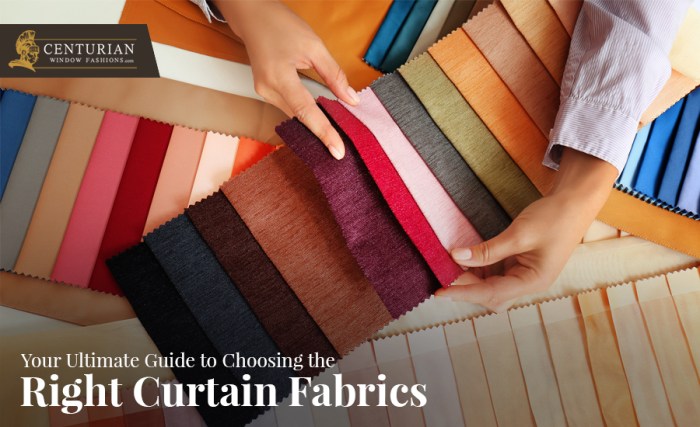
Choosing the right fabric for your curtains can dramatically impact a room’s ambiance and functionality. Beyond aesthetics, factors like light control, durability, and maintenance play crucial roles in selecting the perfect material. This guide explores various fabric options, helping you make informed decisions based on your specific needs and preferences, ensuring both style and practicality in your window treatments.
From the sheer elegance of linen to the opulent richness of velvet, the world of curtain fabrics offers a vast array of choices. Understanding the properties of different materials – their light filtering capabilities, durability, and maintenance requirements – is key to finding the perfect fit for your home. This guide navigates these considerations, offering practical advice and insightful comparisons to illuminate your decision-making process.
Fabric Durability & Maintenance
Choosing the right fabric for your curtains involves considering not only aesthetics but also their longevity and ease of care. The durability and lifespan of your curtains will be significantly impacted by the fabric type, influencing how often you need to clean or replace them. Understanding these factors helps in making an informed decision that aligns with your lifestyle and budget.
Different fabrics offer varying levels of durability and require different maintenance approaches. This section compares the performance of cotton, linen, silk, and polyester curtain fabrics, outlining their strengths and weaknesses in terms of durability and care.
Fabric Durability Comparison
The following bullet points compare the durability of cotton, linen, silk, and polyester fabrics for curtains, considering factors like fading, shrinking, and wrinkle resistance. These characteristics significantly impact the lifespan and overall appearance of your curtains over time.
- Cotton: Cotton curtains are moderately durable. They are prone to fading with prolonged sun exposure and can shrink slightly after washing, especially if not pre-shrunk. Wrinkling is a common issue, requiring regular ironing. However, cotton is breathable and relatively easy to care for.
- Linen: Linen is a strong natural fiber, but it’s also more prone to wrinkling than cotton. It’s also susceptible to fading and can shrink if not properly cared for. Linen curtains tend to soften and develop a beautiful patina with age, adding to their character.
- Silk: Silk curtains are luxurious but delicate. They are prone to fading and damage from harsh sunlight and require careful handling. Silk is wrinkle-resistant but should be dry-cleaned to avoid damage. Their lifespan is shorter than more durable options.
- Polyester: Polyester curtains are highly durable and resistant to fading, shrinking, and wrinkling. They are easy to care for and often machine washable, making them a practical choice for high-traffic areas or homes with children and pets. However, they lack the natural breathability of cotton or linen.
Curtain Fabric Maintenance
Proper maintenance is crucial to extending the lifespan of your curtains. The cleaning methods and ironing techniques will vary depending on the fabric type. Following these guidelines will help preserve the quality and appearance of your curtains.
- Cotton: Machine washable (check care label), preferably on a gentle cycle with cold water. Iron while slightly damp for best results. Regular vacuuming helps remove dust.
- Linen: Generally dry-clean recommended for best results to prevent shrinkage. If hand-washing, use cool water and a mild detergent. Ironing is often necessary to remove wrinkles.
- Silk: Always dry-clean silk curtains. Avoid harsh chemicals or abrasive cleaning methods. Ironing should be done on a low setting with a pressing cloth.
- Polyester: Most polyester curtains are machine washable, but always check the care label. They are usually wrinkle-resistant and require minimal ironing.
Lifespan of Curtain Fabrics
The lifespan of curtain fabrics under normal use varies considerably depending on the fabric type, quality, and care. These estimates assume average use and proper maintenance.
- Cotton: 3-5 years
- Linen: 3-7 years (depending on care)
- Silk: 2-4 years (due to delicacy)
- Polyester: 5-10 years (highly durable)
Budget & Cost-Effectiveness
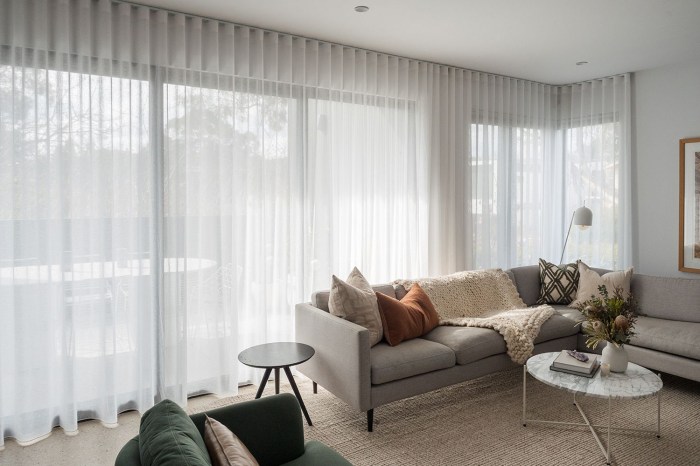
Choosing the right curtain fabric involves careful consideration of both aesthetics and budget. While luxurious fabrics can dramatically enhance a room’s appearance, they often come with a significant price tag. Finding the right balance requires understanding the price points of various fabrics and exploring cost-effective alternatives. This section will explore the financial aspects of curtain fabric selection, helping you make informed decisions that align with your budget.
The cost of curtain fabric varies considerably depending on several factors. Material cost, manufacturing process, and availability all play a significant role in determining the final price. Understanding these factors allows for a more informed decision-making process when choosing curtains.
Price Comparison of Curtain Fabrics
The following points compare the price points of various curtain fabrics, considering material cost, manufacturing process, and availability. Prices are approximate and can fluctuate based on retailer, quality, and design.
- Linen: Linen is a relatively expensive fabric due to its natural fibers and labor-intensive processing. Expect to pay a premium for high-quality linen curtains. The price per meter can range from $20 to $50 or more, depending on the weave and weight.
- Velvet: Velvet, with its luxurious texture, falls into the mid-to-high price range. The cost is influenced by the type of velvet (e.g., cotton velvet is generally less expensive than silk velvet) and the manufacturing process. Prices can range from $15 to $40 per meter.
- Cotton: Cotton is a more affordable option, offering a wide range of price points depending on the weave and thread count. Simple cotton curtains can cost as little as $5 per meter, while higher-quality, heavier cotton fabrics can reach $20 per meter.
- Polyester: Polyester is a synthetic fiber known for its affordability and durability. It is a very budget-friendly option, often costing between $3 and $15 per meter, depending on the type and quality.
Balancing Aesthetics and Budget
Balancing aesthetic preferences with budget constraints requires a strategic approach. Consider prioritizing the fabrics for areas that are most visible or where the fabric’s texture and appearance will have the greatest impact. For example, you might opt for a more luxurious fabric for living room curtains but choose a more budget-friendly option for less prominent areas such as bedrooms or bathrooms.
Exploring different colors and patterns within a budget-friendly fabric can also create a desired aesthetic without sacrificing cost.
Cost-Effective Fabric Alternatives
For each of the fabrics discussed previously, there are more affordable alternatives that can still achieve a similar look and feel.
- Linen Alternative: A linen-cotton blend offers a similar drape and texture to pure linen at a significantly lower price point. Alternatively, a high-quality cotton with a crisp finish can mimic linen’s elegance.
- Velvet Alternative: A plush polyester velvet can provide a similar luxurious feel to silk velvet at a fraction of the cost. Alternatively, a thick, textured cotton can offer a visually similar richness.
- Cotton Alternative: A simple cotton blend (e.g., cotton-polyester) offers excellent value, combining the breathability of cotton with the durability of polyester.
- Polyester Alternative: While polyester is already a budget-friendly option, consider exploring different weaves and finishes to enhance the visual appeal without significantly increasing the cost.
FABRIC CHOICES
Selecting the right fabric for your curtains is crucial for both aesthetic appeal and functionality. The choice depends heavily on the desired look, the room’s purpose, and your budget. This section delves into the specific properties of various fabrics, comparing their suitability for different settings.
Velvet, Brocade, and Jacquard Fabric Properties
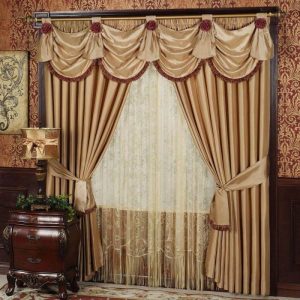
Velvet, brocade, and jacquard each offer unique textural and visual qualities, making them suitable for different applications. Velvet, known for its plush, luxurious texture and rich drape, is ideal for creating a sense of opulence and warmth, particularly in living rooms or bedrooms. Its thick weave provides excellent light blocking and insulation. Brocade, characterized by its intricate raised patterns woven into the fabric, adds a touch of elegance and formality.
It’s a strong choice for formal dining rooms or drawing rooms where a statement piece is desired. Jacquard, also featuring intricate woven patterns, offers a wider range of designs and textures than brocade, making it versatile for various rooms. Its durability makes it a suitable option for high-traffic areas. However, all three fabrics require careful cleaning and maintenance due to their delicate nature.
Natural Versus Synthetic Fabrics for Curtains
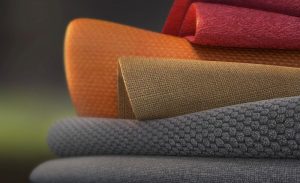
Natural fabrics like cotton, linen, and silk offer a luxurious feel and breathability, while synthetic options such as polyester and blends provide durability and affordability. Natural fabrics tend to be more expensive and require more care, but they often age gracefully and develop a unique character over time. Synthetic fabrics, on the other hand, are generally more resistant to wrinkles, fading, and shrinking, making them a practical choice for busy households or rooms exposed to direct sunlight.
For instance, a family room with children might benefit from the stain resistance of polyester blends, while a formal dining room might be better suited to the elegance of linen.
Linen, Cotton, and Silk Curtain Drape and Texture
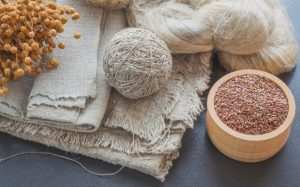
Linen curtains exhibit a naturally rumpled, slightly stiff drape with a distinctive textured surface. The texture is often described as slightly coarse, yet sophisticated. The drape is less flowing than silk, but it creates a relaxed, casual elegance. Cotton curtains offer a softer, more pliable drape compared to linen. Their texture is smoother and less textured, creating a more relaxed and informal look.
The drape is fuller and more forgiving than linen, making them suitable for a wider range of styles. Silk curtains boast an incredibly luxurious drape, falling in soft, graceful folds. Their texture is exceptionally smooth and lustrous, creating a refined and elegant ambiance. The drape is fluid and elegant, often used to create a dramatic and sophisticated effect.
Ultimately, selecting the best fabric for your curtains involves a thoughtful consideration of various factors. Balancing aesthetic preferences with practical needs – light control, durability, and budget – ensures a successful outcome. By carefully weighing the advantages and disadvantages of different materials, you can transform your windows into stunning focal points that enhance the beauty and functionality of your home.
Remember to consider the overall style of your room and choose a fabric that complements your existing décor.
FAQ Overview
What is the best fabric for energy efficiency?
Blackout fabrics are best for energy efficiency as they block sunlight and heat, reducing energy consumption for heating and cooling.
How do I measure for curtains?
Accurate measurements are crucial. Measure the width of your window and add extra for fullness (typically 1.5-2 times the width). For length, measure from the rod to where you want the curtains to fall.
Can I machine wash all curtain fabrics?
No, always check the care label. Some delicate fabrics like silk require dry cleaning, while others can be machine washed on a gentle cycle.
What are the best fabrics for allergy sufferers?
Consider synthetic fabrics like polyester, which are less likely to harbor dust mites and are easier to clean than natural fibers.